Amasra is one of the most photographed towns in Turkey, and the reason is visible from the first moment you see it: a castle on a rocky island, a town wrapped around two peninsulas, a harbor full of boats, and the Black Sea framing it all. The town is a gift to photographers, and its famous views — the postcard shot of the castle, the harbor at sunset, the panorama from the hillside — are genuinely as good as the photographs suggest. But the town also rewards the photographer who goes beyond the famous frames, and the best images often come from the edges of the day and the angles the crowds miss. This guide covers the spots that deliver the strongest photographs, the best times of day to shoot each one, and the practical details that separate the good shots from the ones you will frame.
The Golden Hours of Amasra
Before the spots, the timing. Amasra has three distinct light regimes, and the photographs come from knowing which is which:
- The early morning: clean, cool light, the fishing boats working, and the town at its most authentic. This is the light for the harbor and the working life.
- The golden hour (the last hour before sunset): warm, raking light that makes the castle and the water glow. This is the light for the famous views.
- The blue hour and the night: after the sun drops, the town lights come on, the harbor reflects on the water, and the night version of the postcard appears. This is the light for the images people remember — and the ones that need a tripod.
The middle of a summer day is the worst light — harsh, flat, and shadowless, with the day-trippers in the frame. Plan your photography around the edges of the day and you will return with a portfolio.
The Castle: The Iconic Frame
The castle on its island is the image of Amasra, and it deserves its fame. The best frames:
The view from the hillside. The classic postcard shot — the castle, the two beaches, and the town wrapped around the water, all in one frame. The best viewpoints are on the hillside above the old town, and the golden-hour light makes the whole scene glow.
The castle from the harbor. Looking across the water to the castle on its island, with the boats in the foreground — the working harbor’s version of the icon, and the best frame for the boats-and-castle combination.
On the castle walls. From the walls themselves, the views open out over the sea, the town, and the harbor — the photographer’s reward for the walk. The golden hour is the time.

The Harbor: The Working Life
The harbor is the heart of Amasra, and it photographs at its best when it is working:
The morning harbor. The early hours — the fishing boats heading out, the catch being landed, the fishermen at work — give the harbor its most authentic images. The light is clean, the life is real, and the photographs are the ones the postcards cannot show.
The evening harbor. As the day ends, the harbor turns golden, then the lights come on and the water reflects the town. The evening harbor — the boats, the lights, the reflections — is the romantic version of the working morning.
The Old Town and the Lanes
The old-town lanes climbing the hillside hold the town’s texture — the old houses, the gardens, the cats, and the views opening out between the buildings:
The lanes in the morning light. The early morning, with the washing hung and the lanes quiet, gives the intimate frames — the details, the doors, the life of the town’s streets.
The viewpoints between the buildings. As the lanes climb, the views open out — the harbor, the sea, and the town below. These are the frames the promenade photographers miss, and the climb is the price of them.

The Beaches and the Peninsula
The beaches and the peninsula give the landscape shots:
The two beaches from the hillside. The town’s two beaches, framing the castle’s island, make the wide shot that defines Amasra — best in the golden hour, when the water turns to gold.
The peninsula walks. The paths along the peninsulas give the sea-and-cliff views — the water, the coves, and the town in the distance. These are the quieter, emptier frames of the town’s setting.
The Sunset and the Night
The sunset and the night are Amasra’s photographic climax:
The sunset from the hillside. The sun dropping over the Black Sea, with the castle silhouetted and the town below — the moment the town photographs itself. Find the viewpoint early and watch the whole thing.
The night harbor. After dark, the lights of the town and the harbor reflect on the water, and the castle is lit against the night. A tripod and a long exposure turn the evening harbor into the night postcard.
The star field. Away from the town’s lights, the Black Sea’s night sky rewards the patient photographer — the stars over the water, with the town’s lights below.
Practical Photography Notes
- The gear: a tripod earns its place here, for the night harbor and the long exposures. A polarizing filter makes the water and the sky pop. And a longer lens lets you compress the layers of the famous views — the castle, the town, the sea.
- The light: the edges of the day are everything. Get up for the morning harbor, stay out for the golden hour, and come back for the night.
- The angles: the famous views are famous for a reason, but the better shots are often the ones the crowds miss — the lanes, the working corners, the high viewpoints.
- The weather: the Black Sea’s changing skies — the clouds, the storms, the winter light — give Amasra a drama that the blue-sky days cannot.
- The respect: the town is a working place and a living community. Photograph the life with respect, and ask before photographing people closely.
A Photography Itinerary
- Dawn: the working harbor and the fishing boats.
- Mid-morning: the old-town lanes and the viewpoints between the buildings.
- Golden hour: the castle from the hillside, and the two beaches.
- Night: the harbor lights and the long exposures.

The Seasonal Photographs
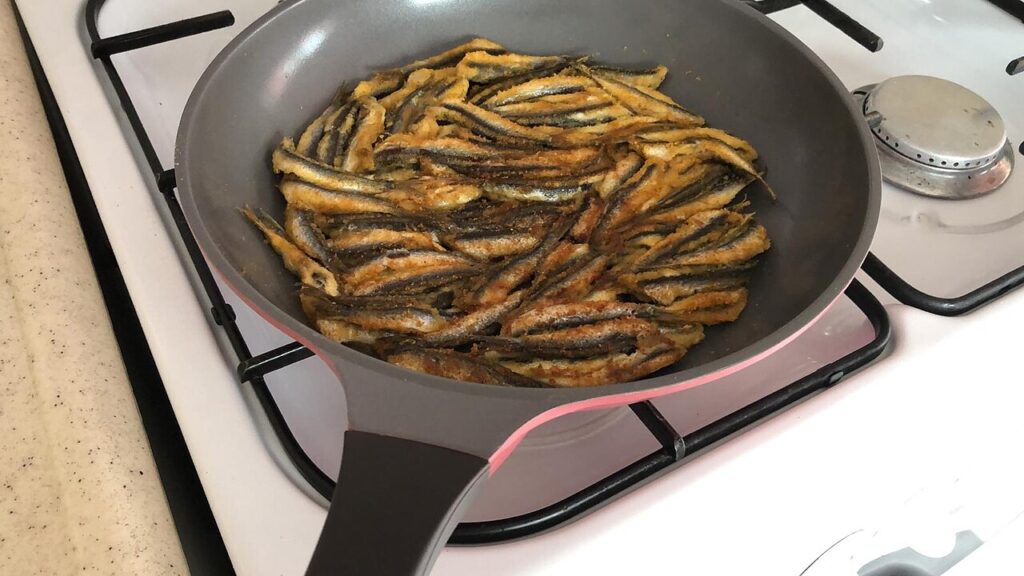
The town’s best images change with the seasons, and the photographer who returns across the year gets a different town each time. In the spring, the green hills are at their freshest, and the light is clean and gentle. In the summer, the town is at its fullest — the beaches busy, the harbor alive, and the holiday energy in the frames. In the autumn, the light turns golden and the crowds thin, and the town’s real rhythm shows through. And in the winter, Amasra photographs at its most dramatic: the low, hard light over the grey sea, the possible snow on the castle, the working harbor in the hamsi season, and the town stripped of the holiday traffic. For the photographer, the winter is the secret season — the same town, transformed by the light and the weather into something the summer visitors never see.
The Working Portraits
Some of the best photographs in Amasra are the portraits of its working life — and they are the ones that need the least gear and the most patience. The fishermen at the nets, the boats being repaired, the market stallholders, the tea garden regulars — the town is full of faces and hands that tell its story, and a photographer who waits, watches, and asks finds the human frames that the landscape shots cannot give. The rule is simple: be respectful, ask before you photograph people closely, and let the town’s warmth meet you halfway. The working portraits of Amasra — the fishing town’s daily life, caught with care — are the photographs that make a trip personal, and they are the ones you will look at for years.
The Takeaway
Amasra is a photographer’s town, and it gives up its best images to the traveler who works the edges of the day and climbs a little higher than the crowds. The castle on its island, the working harbor, the old-town lanes, and the hillside viewpoints — each has its hour, and the light does the rest. Get up for the morning, stay for the golden hour, and come back for the night, and you will leave with the images that make people ask where you were. The town does not need a photographer to make it beautiful; it just needs a camera pointed at it at the right hour.
Frequently asked questions
What is the best place to photograph in Amasra?
The castle from the hillside above the old town, in the golden hour — the postcard shot, and the best frame in the town.
What is the best time of day for photos in Amasra?
The early morning for the working harbor, the golden hour for the famous views, and the night for the harbor lights.
Do I need a tripod for Amasra?
Yes, for the night shots and the long exposures. For the golden-hour views, hand-held work is fine.
Is the castle accessible for photos?
Yes — the castle on its island is joined to the town by a causeway, and the walls and the views are open to walk.
Are the best views marked?
No — and that is part of the point. The hillside viewpoints and the lane openings reward the traveler who climbs and wanders.
Is Amasra good for phone photography?
Excellent. The compositions and the light do the work, and the town is made of frames.

All Over Information
The All Over Information editorial team researches and writes practical English-language guides to Turkey. Facts are checked against official and local sources before publication, prices are published as dated ranges rather than quotes, and guides are revised when things change. We accept no sponsored posts, paid placements or paid links.
More guides like this
History and Culture of Amasra
Amasra looks like a postcard — a castle on a rocky island, a town wrapped around two peninsulas, a harbor full of…

The Best Day Trips from Amasra
Amasra is a town you could happily never leave — the castle, the harbor, and the views could fill a week on…
Top 10 Things to Do in Amasra
Amasra is a small town with a concentrated list of pleasures, and nearly all of them are free, beautiful, and within walking…

Nightlife Guide to Amasra
Let's be clear about what nightlife means in Amasra, because the town has nothing to do with neon, DJs, and queues —…
Amasra Airport and Transport Guide
Getting to Amasra takes a little planning, and it is worth being honest about that at the start: there is no airport…

Amasra on a Budget: Money-Saving Travel Tips
Amasra is one of the most affordable places on the Turkish coast, and it is the kind of destination where a budget…