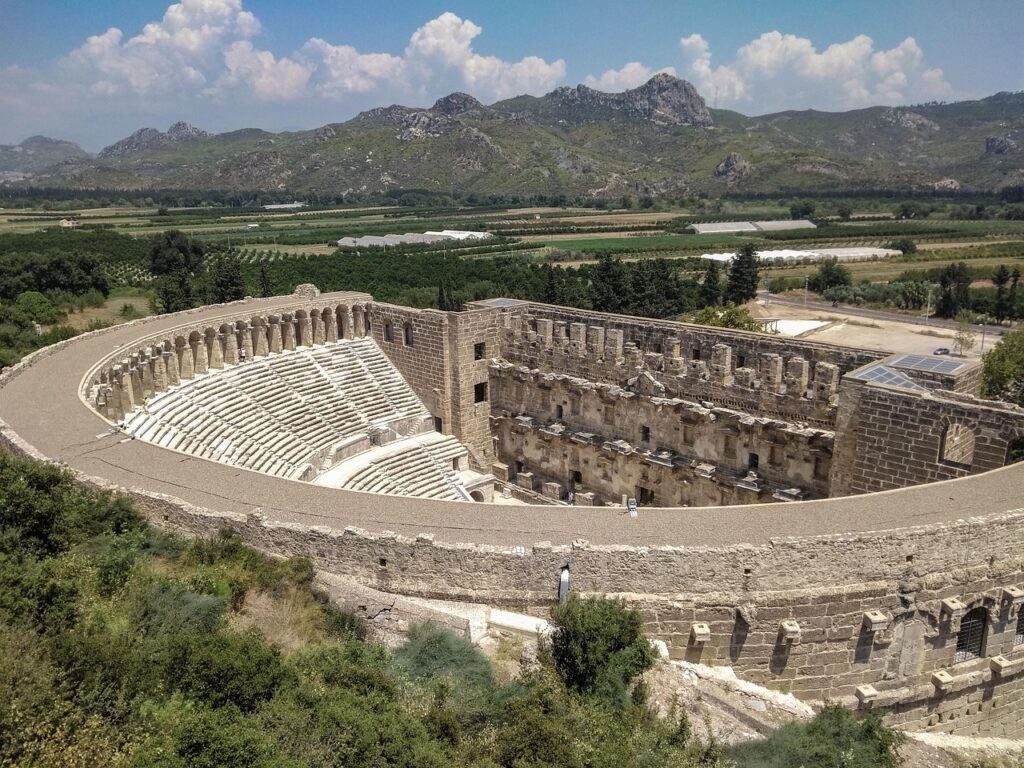
Aspendos is one of the most visited sites on the Turkish coast, and its theatre can feel like a busy public square on a summer afternoon. Yet the crowds are predictable, and predictable crowds are avoidable. The theatre’s visitors follow the seasons and the hours with remarkable regularity: the tour buses arrive in waves, the resorts empty out at midday, and the site returns to itself in the early morning and the late afternoon. This guide shows you exactly when to go to have the best-preserved ancient theatre in the world almost to yourself.
The Crowd Pattern in One Minute
The busiest months at Aspendos are July and August, when the resorts of Antalya and Side are at full capacity. June and September are busy but lighter, and spring and autumn are comfortable and moderate. Winter is the quiet season, with a trickle of visitors and the theatre at its most private. The daily pattern is just as important: mornings before ten and the last hour before closing are calm, while mid-morning to mid-afternoon brings the tour groups.
Understanding that double rhythm, seasonal and hourly, is the key to Aspendos. Visitors who arrive at nine in the morning in October can find themselves alone in a theatre that was built for fifteen thousand people. Visitors who arrive at eleven in August will share it with hundreds. The same building, the same ticket, completely different experiences.
Summer: The Crowded Peak
In July and August, Aspendos is at its busiest, and the theatre becomes a conveyor belt of tour groups. The tour buses from Antalya, Kemer and Side arrive from mid-morning, their passengers marching through the cavea in lines, and the acoustics that are the theatre’s glory are drowned in noise. The heat, meanwhile, turns the stone bowl into an oven, and midday visits are as punishing as they are crowded.
Summer is not impossible, but it demands discipline. Be at the gate at opening time, when the first hour is genuinely calm, or come in the last hour before closing, when the buses have gone. The late afternoon is especially rewarding in summer: the crowds thin dramatically, the light turns golden, and the theatre, which has been full all day, returns to its monumental silence.
Spring: The Green Shoulder Season
Spring, from April to mid-June, is one of the best seasons for Aspendos. The weather is warm but not brutal, the plain is green and flowering, and the crowds, while present, are far below summer levels. Tour groups still pass through, but they share the theatre with plenty of space, and you can usually find quiet corners and unobstructed photographs.
The exceptions are the spikes: the national holidays and long weekends of Turkey, when domestic visitors pour into the coastal region, and the weeks around Easter, when European tour groups are at their peak. Outside those windows, April and May offer Aspendos at its most pleasant, with comfortable conditions from morning to evening and the theatre at its most photogenic against the green valley.
Autumn: The Golden Season
Autumn is the season many regular visitors rate highest. From late September through October, the summer crowds have gone, the heat has broken and the light has turned golden. The theatre is comfortable all day, the tour buses are fewer, and the last hour of the afternoon, with the low sun on the stage facade, is one of the finest experiences the site has to offer.
October is the sweet spot of the sweet season: reliably pleasant, reliably calm and beautiful enough to make the famous photographs look easy. November brings further quiet, with the risk of rain rising, but the theatre rewards the traveller willing to gamble on a dry day. If you can choose your dates, autumn is the time to see Aspendos the way it deserves to be seen.

Winter: The Private Theatre
Winter at Aspendos is for those who want the theatre to themselves. From December to February, the site receives a small number of visitors, and on many days you will share the building with only a handful of people. The low winter sun, the bare hills and the empty seats give the theatre a stark, solemn beauty that the summer crowds never see, and the acoustics are yours alone to test.
The trade-offs are real. Days are short, hours are reduced and rain can arrive without warning, making the stone steps slippery and the open bowl cold. Pack layers, check the forecast and go early in the day. If you time it right, winter gives you the rarest experience Aspendos offers: the world’s greatest ancient theatre, empty and silent, waiting for an audience of one.
The Opening Hour: Your Best Friend
Whatever the season, the single most reliable trick for avoiding crowds at Aspendos is to arrive at the opening hour. The first hour after the gate opens, the tour buses have not yet arrived, and you will often have the cavea almost to yourself. The morning light is also the best for photography, raking across the seating and the stage building before the sun climbs high.
Arriving early has another advantage in summer: it is simply the only comfortable time. The theatre is cool, the light is gentle and the building is quiet enough to hear the famous acoustics properly. Build your day around the opening hour, and you will see more of Aspendos in an hour than most visitors see in a day.

The Last Hour: The Golden Close
The second great window is the last hour before closing. By late afternoon, the tour groups have departed, the day-trippers are heading back to their hotels, and the site empties dramatically. The theatre at closing time, with the low sun warming the stone and the shadows filling the vaulted passages, is one of the most atmospheric places in Turkey.
For photographers, this hour is the prize. The stage facade glows, the cavea fills with long shadows and the crowds are gone from the frame. For everyone, it is the calmest way to experience the building. Check the closing time for the season and arrive an hour before it, and you will have the theatre at its most beautiful and its most private.
The Tour Group Schedule
Aspendos’s crowds are driven by the tour industry, and the industry is predictable. Buses from the coastal resorts arrive in the mid-morning and continue through the early afternoon, with a lull at lunchtime. The busiest window is usually between ten and three, and the quietest windows are the first and last hours. If you can only visit during the middle of the day, the lunchtime lull is your best compromise.
It is also worth knowing that Aspendos is often combined with Perge in the same excursion, which creates a double wave: visitors who are at Perge in the morning arrive at Aspendos in the afternoon, and vice versa. If your plan is flexible, matching your arrival to the opposite end of the excursion cycle can put you ahead of most groups.

Special Events and Festivals
Aspendos has one significant crowd-maker of its own: the international opera and ballet festival, held each year in the theatre. On performance evenings, the site fills with audiences, and the theatre, normally a daytime monument, becomes a working venue under the stars. For most travellers, a festival performance is a highlight rather than a nuisance, and it is worth planning around.
If you are not attending, be aware that festival dates and the preparations around them can affect access to parts of the theatre. Check the festival schedule when planning your trip, both to avoid disappointment and because an evening performance at Aspendos is one of the great experiences of the Turkish cultural calendar. The theatre, after all, was built to be used.
The Weather Trade-Off
Choosing the best time for Aspendos is a trade between weather and crowds, and the good news is that the theatre is rewarding in every season. Summer offers reliable sunshine at the cost of heat and crowds. Winter offers solitude at the cost of cold and rain. Spring and autumn offer the balance, with comfortable conditions and moderate numbers, and either makes an excellent choice.
The decision comes down to your priorities. If you want warmth and don’t mind company, aim for May or September, arriving early. If you want solitude above all, winter is your season. If you want the classic golden photographs, come in October and stay for the last hour. However you choose, the theatre will meet you more than halfway.
Building Your Ideal Visit
To summarise, here is the formula for the perfect Aspendos visit. Choose spring or autumn for the best all-round conditions, or winter for maximum privacy. Arrive at the opening hour, walk the theatre while the morning light is low and the crowds are absent, and test the acoustics in the silence. Then either leave before the mid-morning buses or, if you can, come back for the last hour before closing.
In summer, commit to the early start or the late finish, and take the middle of the day off. In any season, check the seasonal opening hours and the festival calendar before you travel. Aspendos is too good a building to experience through a crowd, and with a little planning, you can have it the way it was meant to be experienced: immense, intact and almost entirely yours.
Frequently asked questions
What is the best month to visit Aspendos?
September and October are the best months, offering warm weather, golden light and crowds well below the summer peak. April and May are equally good for green landscapes and moderate numbers, while winter offers the quietest visits of all.
How do I avoid the crowds at the theatre?
Arrive at the opening hour, before the tour buses, or come in the last hour before closing, when the groups have left. Avoid mid-morning to mid-afternoon, and if you are flexible, travel in spring, autumn or winter rather than July and August.
Is the Aspendos festival worth planning around?
Yes. The international opera and ballet festival, held in the theatre each year, is one of Turkey’s great cultural experiences, and the acoustics of the building make it a unique venue. If you are not attending, check the dates to avoid access restrictions.

All Over Information
The All Over Information editorial team researches and writes practical English-language guides to Turkey. Facts are checked against official and local sources before publication, prices are published as dated ranges rather than quotes, and guides are revised when things change. We accept no sponsored posts, paid placements or paid links.
More guides like this

Best Time to Visit Gobekli Tepe to Avoid Crowds
Gobekli Tepe has become one of Turkey's most talked-about archaeological sites, and with fame comes crowds.

Visiting Zeugma Mosaic Museum: Tickets, Hours, and Tips
The Zeugma Mosaic Museum is the pride of Gaziantep and one of the great museums of the ancient world.
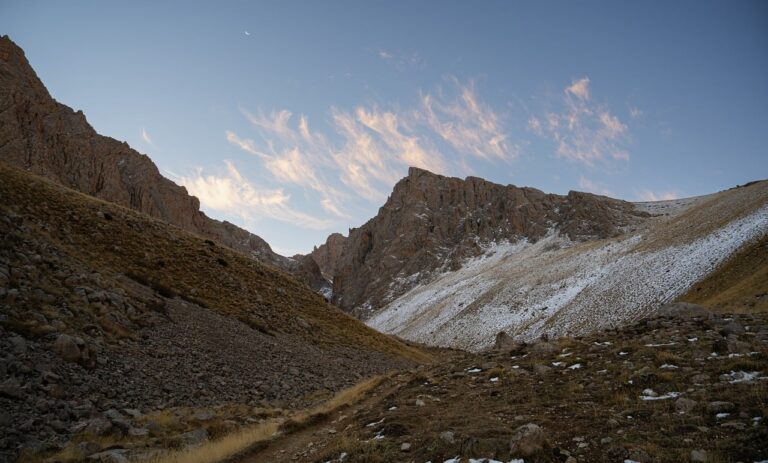
The Architecture of Gobekli Tepe Explained
Gobekli Tepe is the oldest monumental architecture in the world, and its design is unlike anything built before or since.
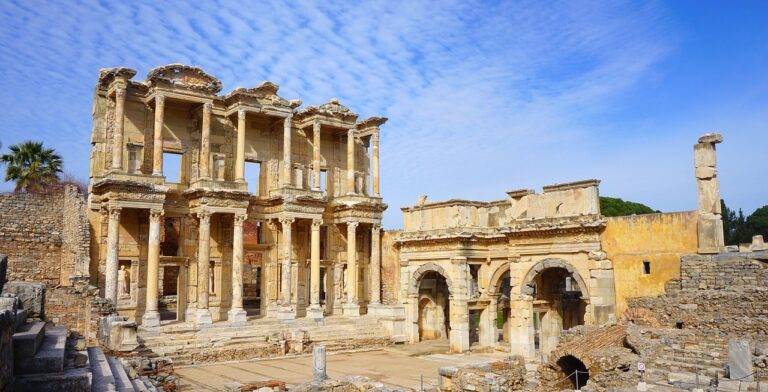
The Architecture of Ephesus Explained
The ruins of Ephesus are beautiful, but they are also a lesson in ancient engineering.

The Architecture of Sardis Explained
Sardis was built on a site of extraordinary natural strength and beauty: a steep acropolis rock, a broad fertile valley, and a…

Best Time to Visit Troy to Avoid Crowds
Troy is one of the quieter great sites of Turkey, and for most of the year the crowds are modest, but they…