Istanbul has become the undisputed world capital of hair transplantation, and the reasons are practical: skilled surgeons, advanced techniques, and prices that can be a fraction of what clinics charge in North America or Western Europe. Travelers arrive from every continent for the procedure, often combining surgery with a short holiday. But hair transplant tourism is a medical decision dressed up as a city break, and the quality of clinics varies enormously. This guide explains how the procedure works, what to look for in a clinic, how to plan the trip, and how to avoid the common pitfalls.
Why Istanbul Leads the World
Istanbul’s dominance in hair transplantation is the result of a perfect combination. The city has a deep pool of experienced surgeons, a medical infrastructure built for the procedure, and a cost structure that undercuts the Western market dramatically.
The scale is extraordinary. Istanbul’s clinics perform a large share of the world’s hair transplant procedures, and the city’s airport brings patients from every continent. The industry has developed around the procedure: dedicated clinics, recovery-friendly hotels, and an ecosystem of agencies that handle the logistics. The concentration of expertise means a patient can compare more experienced surgeons in a week than in a year at home.
The result is a market with options at every price point, from high-volume clinics offering bargain rates to premium practices with celebrity reputations. That range is both the opportunity and the risk, because the skill of the surgeon matters far more than the price.
How a Hair Transplant Works
A hair transplant moves healthy hair follicles from a donor area, typically the back and sides of the head, to the areas where hair is thinning or gone. The donor hair is genetically resistant to balding, which is why the results are permanent.
The procedure is performed under local anesthesia, and the patient remains awake throughout. The entire session takes several hours, and modern techniques allow thousands of grafts to be placed in a single day, which is why the procedure fits the medical-tourism model.
The key insight for patients is that the graft survival depends on surgical skill. Extracting the follicles without damaging them, and placing them at the correct angle and depth, is delicate work, and the difference between a good and a bad outcome is precisely this craftsmanship.

The FUE Method in Detail
The dominant technique in modern Turkish clinics is FUE, which stands for follicular unit extraction. In FUE, the surgeon extracts individual follicular units directly from the donor area with tiny punches, leaving no linear scar and allowing a short, comfortable recovery.
FUE replaced the older strip method in most of the industry because it heals faster and leaves no visible scar. The extracted grafts are sorted, stored, and then implanted into the recipient area in the direction of natural hair growth.
The technique has evolved further, with motorized extraction and special implanting tools improving graft survival and speed. What has not changed is the principle: the procedure is only as good as the hands performing it, and the surgeon’s experience with the method is the question to ask.
What to Look For in a Clinic
Choosing a clinic is the entire game, and the checklist is practical. Confirm that the clinic has a licensed physician on site, that the surgeon is certified and experienced, and that you know exactly who will perform the extraction and implantation.
Ask about graft counts honestly. Reputable clinics quote a range based on your consultation, and they explain what a realistic result looks like. Be suspicious of clinics that promise spectacular density for implausible graft counts, and of prices so low that they cannot cover skilled labor. The honest clinic also sets the honest timeline, and the plan that feels conservative is usually the one that protects the result.
Look for transparency in reviews. Independent patient communities discuss the Istanbul clinics in detail, and the pattern of complaints is more informative than the marketing. A clinic with a consistent record of honest communication and natural results is the one to trust.

The Red Flags and Warning Signs
The dark side of the industry is real, and the warning signs are consistent. Beware of the hard sell: pressure to deposit immediately, offers too good to be true, and timelines that refuse to allow thinking time. Serious clinics let you decide.
Beware of the medical assembly line. Some high-volume clinics schedule patients like factory shifts, with technicians doing the bulk of the work and the physician nowhere to be seen. The procedure can still succeed, but it is a different risk profile from a surgeon-led practice.
Finally, beware of fake credentials. Check the surgeon’s name against the medical registry, verify the clinic’s registration, and treat any claim that cannot be verified as unverified. The industry polices itself unevenly, which is exactly why your own checks matter.
What the Packages Typically Include
The typical Istanbul package bundles the medical care with the logistics of travel. Most quotes include the procedure itself, airport transfers, several nights of hotel accommodation, and sometimes a translator and medications.
The value of the bundle depends on the clinic. The best packages include genuine aftercare: daily check-ins after the procedure, washing assistance in the first days, and a documented aftercare plan for your return home. The weakest packages end at the clinic door.
Read the fine print. Confirm what the price includes and excludes, from the hotel category to the number of grafts to the follow-up consultations. The package is a convenience, not a guarantee, and its details deserve the same scrutiny as the medical plan.
Planning the Trip Around Surgery
The trip planning matters as much as the surgery itself. Plan to arrive a day or two before the procedure for the in-person consultation and preparation, then schedule the surgery, and then budget the recovery time that follows.
Recovery shapes the itinerary. The first days after the procedure involve scabbing, swelling, and careful handling of the new grafts, and most patients stay in Istanbul for several days before flying home. Your clinic should guide the timing based on your specific case.
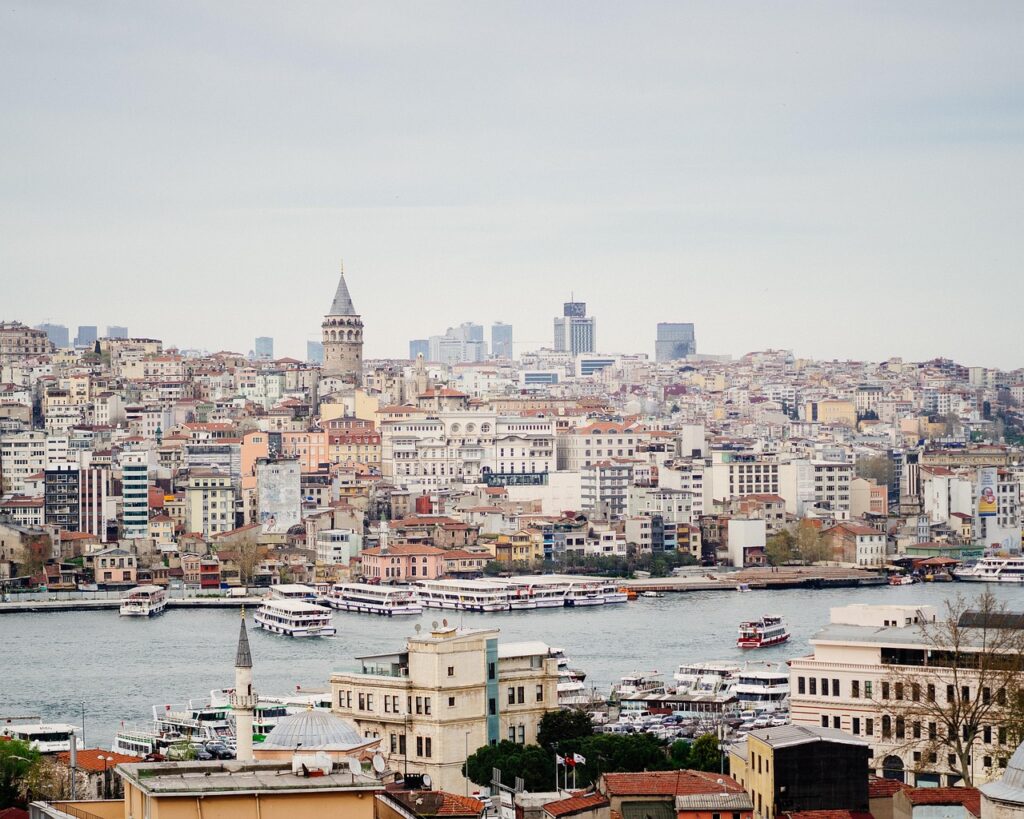
Use the recovery days wisely but gently. Istanbul’s hotel rooftops and calm cafes are perfect for the quiet days after surgery, but avoid sun, sweat, and tourist marathons. The patients who rest properly in Istanbul get better results, and that rest is part of the package.
Recovery: What to Expect
The first weeks after a transplant have a predictable timeline. The scabs around the grafts fall off within about ten days, the transplanted hair falls out around the third week, and then the new growth begins, slowly, over the following months.
The waiting is the hardest part. From the third month, the new hair starts to appear, and the full result develops over the course of a year. Patients who understand this timeline before the surgery are the ones who stay calm through the awkward middle phase. The clinics with the happiest patients are the ones that prepared them for this schedule before the surgery, not after.
The aftercare rules are simple: protect the scalp from the sun, avoid strenuous exercise for the first weeks, and follow the washing and care instructions precisely. The grafts are your investment, and their survival is the entire point of the discipline.

Aftercare and Long-Term Results
The relationship with your clinic does not end at discharge. Good clinics provide a structured aftercare program: scheduled check-ins, photo documentation, and a physician available to answer questions during the critical first months.
The long-term result is permanent in the sense that matters. The transplanted hair is genetically resistant to balding, so it stays, even as the native hair around it continues its natural course. This is why a good transplant is an investment that pays for decades.
The honest expectation is important. A transplant restores density and improves your appearance, but it does not give back the hair of your twenties, and it does not stop the general aging process. The patients with the best results are those whose expectations matched the realistic outcome.
Making the Most of Your Stay
A hair transplant trip is a chance to see Istanbul, and the city rewards the recovery days. The procedure itself takes a single day, and the surrounding week offers genuine sightseeing, from the old city’s monuments to the Bosphorus to the cafe culture of the modern districts.
Time your visit for comfort. Spring and autumn are ideal, with mild weather that suits both the surgery and the sightseeing. Summer heat is manageable but uncomfortable for the scalp, and winter is quiet and cheaper, though the city is colder. Whichever season you choose, the city’s rhythm, its tea, and its hospitality make the recovery days pass pleasantly.
The final piece of advice is emotional: give yourself time. The days after the procedure are not the moment to evaluate your decision, and the awkward phase is temporary. By the time the year is out, the result will speak for itself, and Istanbul will be the city where it all began.
Frequently asked questions
How long do I need to stay in Istanbul for a hair transplant?
Most patients stay about a week: a day or two before the procedure for the consultation, the surgery day itself, and several recovery days before flying home. Your clinic will confirm the safe timing for your flight. Plan an extra day or two of flexibility in case your recovery needs it.
Is a hair transplant in Turkey safe?
The procedure is safe when performed by a qualified surgeon in a licensed clinic, and the vast majority of procedures go smoothly. The risks come from inexperienced operators and assembly-line clinics. Verify the surgeon’s credentials, the clinic’s registration, and the aftercare program before you book.
When will I see the final results?
The transplanted hair typically falls out within the first month, new growth begins around the third month, and the full result develops over about a year. The timeline varies by person. Understanding this schedule before surgery helps you stay patient through the quiet middle months.

All Over Information
The All Over Information editorial team researches and writes practical English-language guides to Turkey. Facts are checked against official and local sources before publication, prices are published as dated ranges rather than quotes, and guides are revised when things change. We accept no sponsored posts, paid placements or paid links.
More guides like this

Investing in Turkey’s Healthcare and Medical Tourism Sector
Turkey's healthcare sector has become one of the country's most compelling investment stories, combining a strong domestic system with a world-leading medical…

How to Negotiate a Deal in Turkish Business Culture
Negotiating in Turkey is less like a chess game and more like a courtship. The deal matters, but it is inseparable from…

How Foreign Entrepreneurs Are Entering Turkey’s Technology Startups Industry
Foreign entrepreneurs are a visible and growing part of Turkey's technology startup industry.

Investing in Turkey’s Technology Startups Sector
Turkey's technology startup sector has matured from a promising scene into a recognized regional hub, with a strong pool of engineers, active…

Opportunities and Challenges in Turkish Real Estate
Turkish real estate is a market of strong pulls and strong pushes.

Opportunities and Challenges in Turkish Technology Startups
The Turkish technology startup ecosystem offers a genuinely attractive mix of talent, cost, and market size, and it has produced companies with…