Everyone who visits Buyukada sees the harbor, climbs to the monastery, and circles the ring road. The island keeps its secrets for those who step off the beaten track: a chapel in the forest, a cove with no name, a street of mansions that the crowds never reach. This guide collects the Buyukada that most visitors miss, the quiet places where the island’s real character lives. Bring good shoes, a curious spirit, and more time than you think you need, because hidden gems have a way of demanding it.
The Quiet Northwest Shores
Most ferry passengers turn right from the pier, toward the beaches and the monastery. The northwest shore, the direction the island faces away from town, is a different country: rocky, pine-fringed, and almost empty even in August.
A walking path follows this coast past old sea houses and small jetties, and the swimming here is some of the island’s most private. There are no cafes and no crowds, just the slap of water and the smell of the forest.
The reward for the walk is the island as it was before tourism: a working shore of fishermen’s huts, weather-beaten boats, and silence. Sit on a rock long enough, and the ferry horns across the water start to sound like a distant world.
The Abandoned Buildings and Their Stories
Buyukada has its share of crumbling structures, and each one carries a story. The most famous is the vast former orphanage, the largest wooden building in the world of its kind, standing empty on a hilltop like a ghost of the island’s Greek community.
Other ruins are smaller and quieter: a burnt mansion, a roofless chapel, a fountain gone dry. They mark the layers of the island’s history, the fires and departures that shaped the streets you walk today.
The locals tell these stories reluctantly, because they are woven with loss. But the ruins themselves are honest teachers, and a slow look at them explains more about Buyukada than any guidebook paragraph.

The Small Orthodox Chapels
Beyond the main churches, the island hides tiny Orthodox chapels in the most unexpected places: at the end of a lane, in the middle of a garden, on a forest slope above the sea. Some are locked, some are open, and all of them are beautiful.
Each chapel has its own character, from the simplest whitewashed room with a single icon to the more decorated interiors with painted ceilings. Candles and fresh flowers show they are still loved, still used for prayers and name days.
Finding them is half the pleasure. Walk without a map, follow the paths that look like they lead nowhere, and let the chapels reveal themselves. The island’s spiritual life lives in these small, quiet rooms.
Old Photographs and the Museum Houses
The best way to see the island’s past is through its old photographs, and the few private collections and museum houses that display them are worth seeking out. Nineteenth-century Buyukada appears in them: the same harbor, the same hills, and a fleet of sailing ferries at the pier.
Some of the mansion houses open their doors with exhibitions of family heirlooms, silver, and the everyday objects of island life a century ago. These rooms make the painted facades suddenly human.
A museum house changes how you walk the streets afterward. The mansions stop being scenery and become homes, and the island’s history settles into the present.
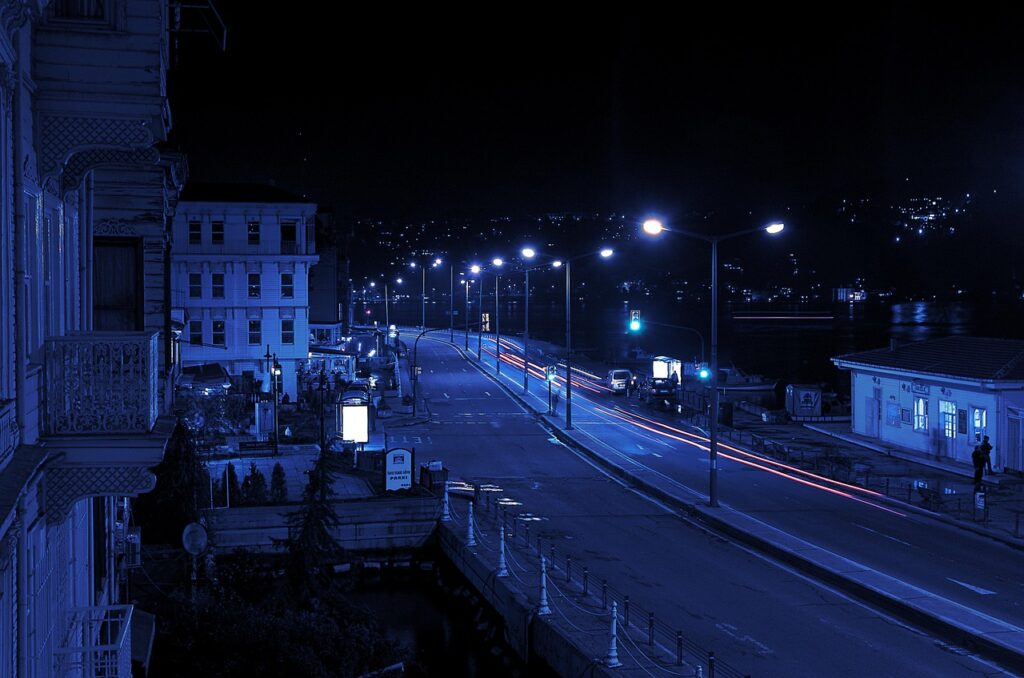
The Back Streets of Maden
The main streets of Maden are quiet enough, but its back lanes are another level again. Here the wooden houses lean together over cobbles, gardens spill across the paths, and the only traffic is a cat or a pensioner with a shopping bag.
These streets hold the island’s most lived-in corners: old fountains, corner grocery shops, and wooden balconies draped with laundry. It is the Buyukada of daily life, not of postcards.
Walk them in the late afternoon, when the light goes golden and the smell of cooking drifts from the windows. You will feel less like a tourist and more like a neighbor who has wandered one street too far and decided to stay.
The Forest Trails Beyond the Monastery
Everyone climbs to the monastery, but few continue past it. The trails beyond the summit run deeper into the pine forest, connecting to the island’s highest points and the quieter slopes of its southern hills.
Here the forest takes over completely, and you can walk for an hour meeting almost no one. The views from the higher ridges open over both shores of the island and far across the Marmara, with the city a smudge on the horizon.
Bring water and a snack, because there are no stalls this far out. What you get instead is the island at its wildest, the way it must have felt before the first mansion was built.

Fishermen’s Corners at Dawn
The island’s fishermen have their own geography, and it does not appear on any map. Small jetties and harbor corners where the day’s first catch is landed, nets are mended, and boats are named for grandmothers and saints.
Catch the fishermen at dawn, and you see a different Buyukada: focused, practical, and older than the tourist town. They are usually happy to talk, and the stories they tell are the island’s true oral history.
If you are not a morning person, this is the one secret worth setting an alarm for. The dawn light on the boats, the gulls, and the smell of the sea make the early ferry to the pier feel like a privilege.
The Greek School and Its Views
High above Maden stands the old Greek school, a grand building from the island’s Greek community years, and it commands one of the finest viewpoints on Buyukada. Its courtyards and stairways speak of a confident, educated community.
The building’s story is long and layered, and its current use is more modest than its architecture. What remains undeniable is the position: the terraces look out over the sea and the neighboring islands in a sweep that stops conversation.
Few visitors make the climb, so you will likely have the views to yourself. It is a place that rewards the effort and humbles the photographer.

Lesser-Known Swimming Spots
The named beaches get the crowds, but the island’s best swimming is often nameless. The coves between the beaches, the rocks below the forest, and the platforms that islanders have used for generations offer water that is just as clear.
Ask a local where they swim, and they will point to a spot without a sign. These are the places where the sea is deep enough to dive, the rocks are warm from the sun, and the only soundtrack is the gulls.
Swim at these hidden spots and you will understand the island’s rhythm: water first, schedule later. The best afternoons on Buyukada are the ones with no plan but the sea.
Winter Silence
The island’s greatest hidden gem is a season. In winter, Buyukada empties, the ferries thin out, and the town closes into itself, leaving the streets, the forest, and the sea to the few who stay.
The light is low and soft, the cafes that remain are warm, and the monastery climb is a solitary pilgrimage. Photographers and walkers have the island to themselves, and the silence is absolute.
For those who can visit out of season, the reward is the island’s true character, unhurried and undressed. Buyukada in winter is a hidden gem that contains all the others.
The Wishing Wall and Local Customs
Just below the monastery, the tradition of tying ribbons and threads to the railings turns an ordinary fence into a wall of colored wishes. The custom is older than the stalls that sell the ribbons, and islanders of every background take part, each knot a small prayer.
Watch, and you will notice other quiet customs: the way locals touch the chapel walls, the coins pressed into door frames, the candles lit for saints and for journeys. These are not performances; they are the living habits of a community that has practiced them for generations.
Take part gently, if you wish, and give the customs the respect they are owed. A wish tied here connects you, however briefly, to the island’s long chain of visitors and believers.
The Evening Ritual of the Islanders
When the last ferry of the day has gone, the islanders reclaim their waterfront. Families walk the pier, couples take the benches, and the promenade becomes a social room where everyone seems to know everyone.
This evening stroll, known locally as part of the island’s daily rhythm, is the authentic Buyukada show, free of charge and free of tourists. Join it by walking slowly, greeting people with a nod, and letting the evening do the talking.
It is also the moment the hidden island appears, because the day-trippers’ Buyukada was always the surface. After dark, the real residents come out, and their island is gentler, warmer, and full of quiet life.
Frequently asked questions
How do I find the hidden spots?
Walk with no destination. The island’s secrets are mostly visible from its paths, so leave the ring road, follow the lanes that climb or dip unexpectedly, and stop often. A rough plan to visit Maden’s back streets and the trails beyond the monastery covers most of the ground the crowds miss.
Are the hidden places safe to explore?
Yes, with normal care. The forest trails are well worn and the coves are used by local swimmers, but bring water, wear proper shoes, and avoid swimming where you cannot judge the rocks. Some ruins are closed and fenced, so admire them from outside, and you will have no trouble at all.
Do these spots require a lot of extra time?
Not necessarily. The northwest shore and the back streets of Maden can be added to a normal day with small detours, while the deeper forest trails and the dawn fishing corners reward a longer stay. Even one or two hidden gems will change how you remember the island.

All Over Information
The All Over Information editorial team researches and writes practical English-language guides to Turkey. Facts are checked against official and local sources before publication, prices are published as dated ranges rather than quotes, and guides are revised when things change. We accept no sponsored posts, paid placements or paid links.
More guides like this

History and Culture of Buyukada
Buyukada is not just a pretty island; it is a layer cake of history, and the layers are visible everywhere if you…

Nightlife Guide to Buyukada
Buyukada is not Istanbul, and its nightlife does not try to be.

How to Get to Buyukada from Istanbul
Reaching Buyukada is half the pleasure of visiting it, because the only way to arrive is by sea, and the crossing through…

Photography Spots in Buyukada You Can’t Miss
Buyukada is a photographer's island, and it cooperates with any lens and any level of skill.

Family-Friendly Activities in Buyukada
Buyukada is one of the most family-friendly destinations near Istanbul, and Istanbul families have known it for generations.

Best Local Restaurants in Buyukada
Food on Buyukada is a conversation between the sea, the gardens, and the seasons.