Every guide to Sariyer mentions the ferry, the fish restaurants, and the forest, but the district keeps its best secrets a little further off the path. Behind the waterfront villages lie forgotten shrines, a private museum full of treasures, the old waterworks of a vanished age, and village lanes that the crowds never reach. This guide collects those hidden corners: the places that reward a detour, an early start, or simply a willingness to walk past where the ferries stop. Each one is close enough to the familiar route to be practical, yet far enough to feel discovered. Explore a few of them and you will see the real, layered Sariyer, the one the ferry timetable never mentions and the guidebook photographs never capture.
Beyond the Ferry Pier
The ferry passengers who step off at the main pier see the center, the restaurants, and the promenade, and then they leave. The district’s quieter side begins a few hundred meters past those familiar places, and it is well worth the walk.
Follow the shore past the last restaurants and the character changes quickly. Small boatyards, drying nets, and old wooden houses take over, and the crowds thin out to almost nothing, leaving the water, the gulls, and the work of the day.
This is the working Sariyer, and it is more interesting than the postcard version. The boatbuilders and fishermen are happy to talk, and the pace is measured in tides rather than timetables. Come without a plan and leave with a story; that is the going rate for this part of the shore.
Maden Village and the Quiet Shore
Inland from the coast, tucked between the forest and the strait, the small settlement of Maden keeps a village life that has changed little. Its lanes, gardens, and modest houses sit far from the ferry routes and the restaurant rows.
Maden is a place to wander without purpose. The gardens spill over the walls, the village square is quiet, and the surrounding hills give it a countryside feel that the coastal villages have lost, though the strait is only a short walk away.
Reach it on foot from the center or by a short minibus ride, and give it an hour. There is nothing to buy and nothing to see in the usual sense, which is precisely the point. The silence, the gardens, and the village greetings are the entire attraction, and they are free.
Garipçe: The Village at the Strait’s Mouth
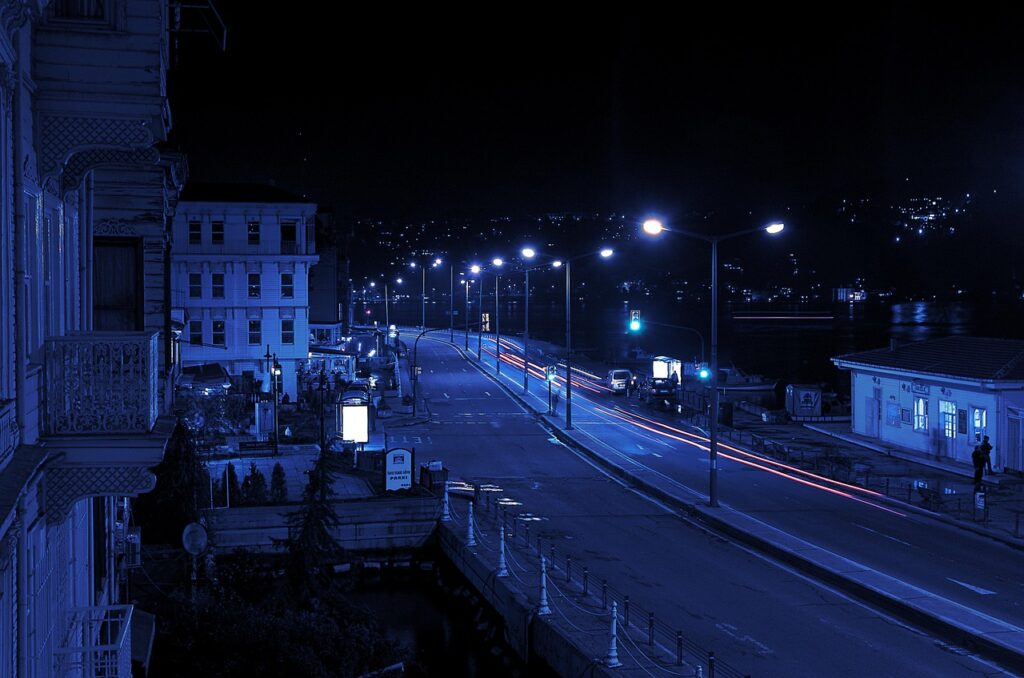
At the very mouth of the Bosphorus, where the water turns to open sea, the old village of Garipçe stands on the European shore. It was a quiet fishing settlement for centuries, and it still keeps its character.
The village sits at the foot of the third Bosphorus bridge, one of the great modern crossings of the strait, and the contrast between the old houses and the vast engineering above them is striking.
Walk the shore, watch the ships gather before the Black Sea, and imagine the age when this was the frontier of the strait. Garipçe is quiet, windswept, and completely absorbing, and on a clear evening the horizon opens wide above the water.
The Sadberk Hanım Museum in Büyükdere
In the village of Büyükdere, behind the waterfront, a grand waterside mansion hides one of Istanbul’s finest private museums. The Sadberk Hanım Museum holds a rich collection of Anatolian antiquities and Ottoman treasures.
The galleries trace the region’s long past, from ancient pottery and jewelry to embroideries, costumes, and ceramics from the Ottoman centuries. The mansion itself, with its woodwork and garden, is part of the experience, and the light through the old windows suits the objects beautifully.
It is a small, calm museum, never crowded, and it rewards an unhurried hour. Book ahead when the schedule requires it, and combine the visit with a stroll through Büyükdere’s quiet lanes, past the old ferry pier and the shaded benches of the waterfront.

Telli Baba and Local Devotion
On the hillside above Tarabya stands a shrine that most visitors never hear about: the tomb of Telli Baba, a beloved figure of local legend. For generations, people have come here to make a wish and light a candle.
The story goes that a young man was buried here, and that prayers at the tomb bring answered wishes, especially in matters of the heart. Whether or not you believe, the visit is a window into the everyday devotion of the district.
The shrine sits in a leafy courtyard above the strait, with a view over the water. It is free, quiet, and one of the most atmospheric corners of the whole coast, best visited on a weekday when the terrace is yours alone.
The Forest’s Old Dams and Aqueducts
The Belgrade Forest is famous for its trees, but its oldest treasures are the waterworks hidden among them. For centuries this forest supplied Istanbul with water, and its dams, channels, and aqueducts still stand.
Some of the aqueducts date back to the Ottoman era, when engineers brought water from the forest to the city’s fountains and baths. The great stone arches loom out of the trees like forgotten monuments, and their scale still impresses after centuries of weather.
Walking to them is the point: the trails are beautiful, and arriving at a centuries-old waterway in the middle of the forest is one of the district’s quiet wonders. Bring the forest map, ask at the visitor points for the waterworks route, and read the boards that explain how the water once reached the city.

Atatürk Arboretum by Appointment
The Atatürk Arboretum sits beside the forest, a botanical collection of trees from around the world arranged around ponds and bridges. It is not a secret to botanists, but it is a secret to most tourists, because its entry is limited and arranged in advance.
The result is blissful calm. The paths are uncrowded, the birds are loud, and the labeled trees invite you to learn as you walk.
Plan ahead, check the current opening rules, and go early on a weekday if you can. The ponds, the reflections, and the silence make it the most peaceful green space in the district, and a folding chair, a book, and a thermos of tea are all the afternoon requires.
The Lighthouse Coast at Rumeli Feneri
Beyond Rumeli Kavağı, the coast runs on toward the open Black Sea, and there the old lighthouse village of Rumeli Feneri stands at the very edge of the land. Its lighthouse has guided ships into the strait for generations.
The village is tiny and windswept, with a few houses, a small mosque, and the great tower at the point. On a clear day the sea stretches to the horizon, and on a rough one the waves are magnificent.
Getting there takes a little effort, by ferry or bus and then on foot, and that effort keeps the crowds away. It is the furthest, wildest corner of the district, and the reward is the sight of the great ships rounding the point, close enough to hear.

Bahçeköy’s Village Life
At the gate of the forest, the village of Bahçeköy lives between two worlds: the woodland behind it and the city in front. Its daily life belongs to the forest economy and the forest visitors.
The village market sells forest produce, honey, and picnic supplies, and its simple restaurants feed the walkers. In the evening, after the day-trippers leave, it returns to being a quiet country town.
Sit down for tea in Bahçeköy and you will hear the forest stories, the water history, and the village gossip. It is the district’s best remaining taste of rural Istanbul, and its honey and bakery stalls make the best edible souvenirs.
The Markets Tourists Never Find
Every visitor finds the main fish market, but the district holds smaller markets that the guidebooks never mention. The village stalls of Bahçeköy, the neighborhood markets of the inland streets, and the small bakers’ rows all serve the people who live here.
These markets are not attractions; they are life. The traders know their regulars, the prices are local, and the goods follow the seasons.
Wander them in the morning, buy a little of what looks best, and take it to a bench by the water or a clearing in the forest. That is how locals eat, and it is the truest taste of Sariyer, with the produce following the seasons so every visit offers something new.
Frequently asked questions
What is the most underrated place in Sariyer?
The old waterworks of the Belgrade Forest are arguably the most underrated: centuries-old dams and aqueducts hidden in the trees, reached by beautiful trails and almost never crowded. The Sadberk Hanım Museum and the village of Garipçe at the strait’s mouth are close runners-up. All three reward a small detour with a large dose of atmosphere and history, and none of them costs more than a ferry ride or a bus ticket.
Are these hidden gems easy to reach without a car?
Yes. The forest waterworks start from the forest visitor areas, reachable by bus and minibus from the center, and Maden, Garipçe, and Rumeli Feneri are on public transport routes or a short walk from them. The museum in Büyükdere is next to the ferry stop. The hidden gems are hidden from the crowds, not from the bus map, and a single Istanbulkart covers the whole trail.
How many of these places can I see in one day?
Choose two or three at most. A good day pairs the forest, with its waterworks and arboretum, with a late stop at Garipçe or Rumeli Feneri on the return, letting the light and the sea do the rest. Another day could join Büyükdere’s museum with Telli Baba and a wander through Maden. Spreading them over two days lets each place breathe, which is how they are best enjoyed.

All Over Information
The All Over Information editorial team researches and writes practical English-language guides to Turkey. Facts are checked against official and local sources before publication, prices are published as dated ranges rather than quotes, and guides are revised when things change. We accept no sponsored posts, paid placements or paid links.
More guides like this

Best Local Restaurants in Sariyer
The food of Sariyer is the food of the water: fresh fish, meze, and the famous flaky pastry called Sariyer böreği.
Sariyer in Summer: A Complete Travel Guide
Summer is when Sariyer comes into its own.

Family-Friendly Activities in Sariyer
Sariyer is a district built for family outings.

Where to Stay in Sariyer: Neighborhood Guide
Sariyer is big for a neighborhood guide: a long Bosphorus coastline, a forested interior, and a Black Sea shore all sit inside…
Sariyer Airport and Transport Guide
Getting to Sariyer is a journey across the whole of Istanbul, and knowing the transport options turns that journey into part of…

How to Get to Sariyer from Istanbul
Getting to Sariyer is half the fun, because the best route is a boat ride up the Bosphorus.