As a visitor, walking into a Turkish hamam for the first time can feel both exciting and intimidating. The steam, the marble, and the unfamiliar sequence of steps raise plenty of questions: Do I take off everything? What is the scrubbing for? How much do I pay? This guide walks you through the entire experience from the front door to the final glass of tea, so that nothing surprises you. You will learn exactly what to bring, what to expect at each stage, and how to behave, so that you can simply relax and enjoy one of Turkey’s oldest and most beloved traditions.
What to Expect When You Walk In
When you arrive, you will pay at the front desk and receive a pestemal, a thin cotton towel, along with a pair of wooden slippers and often a key to a changing cubicle. The building may look intimidating at first, with its domes and marble, but the staff are used to first-time visitors and will guide you through the routine. You change in a small private room called a camekan, wrap the towel around yourself, and leave your clothes and valuables safely locked away. From there you walk into the warm inner rooms, and from that moment the heat takes over and your worries begin to dissolve. In some traditional hamams you pay for the standard treatment at the entrance and for extras afterward, and the whole system is designed to be simple for first-time guests.
What to Bring and How to Dress
You do not need to bring much. Most hamams provide the towel, slippers, and soap, and many offer disposable items. Some people like to bring their own toiletries, though traditional soap is part of the charm. A small towel for your face and a bottle of water for afterward are thoughtful additions, and a comb will save you from the famous hamam hair. Leave watches and jewelry in your locker, since the heat and moisture are not kind to them. As for clothing, you simply wrap the pestemal around your body; under it, you wear nothing at all, which is standard practice. If the idea makes you uncomfortable, remember that everyone inside is following the same rule and no one is paying the slightest attention to anyone else.

The Sequence of the Ritual Explained
The classic hamam experience follows a clear sequence that you can easily memorize. First you warm up in the hot hall, pouring water over yourself from the basin beside your seat. Next you lie on the heated marble platform to sweat, usually for ten to twenty minutes. Then the attendant scrubs you with a rough mitt, covers you in soap foam, and gives you a firm massage. After rinsing, you move back through the cooler rooms to rest and drink tea. Each step has a purpose, and the whole flow is designed to take your body from tense to completely relaxed in about an hour and a half. If you feel dizzy or overheated at any point, sit down, drink some water, and tell the staff; they will help you cool down calmly.
Understanding the Kese and the Soap Massage
The kese is a coarse mitt that the attendant wears on their hand to scrub your skin. Do not be alarmed when you see little rolls of gray skin coming off; that is exactly the point. The steam has softened your skin, and the scrub removes the dead layer so that your fresh skin underneath feels incredibly smooth. Immediately afterward comes the foam bath, where the attendant whips soap into tall clouds of foam, spreads it over you, and massages your shoulders, back, and legs. For most visitors, this is the highlight of the entire ritual, the moment when tension simply leaves the body.

How Long the Whole Experience Takes
Plan for about two hours from start to finish, though you can shorten it if you are in a hurry. The active treatment, meaning the scrubbing and the foam massage, lasts roughly twenty to thirty minutes. The rest of the time is spent warming up on the marble, resting in the cool room, and slowly getting dressed again. It is important not to rush, because the hamam works best when your body is allowed to move through the heat gradually, and the staff will happily adjust the pace to whatever suits you. If you only have an hour, you can still enjoy a simplified version, but the full ritual deserves the time you give it.
The Rules of Modesty and Gender Separation
One question every first-timer asks is whether people are naked inside the hamam. The answer is that you remain wrapped in your pestemal at all times, and the attendant scrubs you while working around the towel. Men and women use the same building only at separate times or through separate entrances, and in modern spas there are often private sessions for couples. This separation is taken seriously, so you never have to worry about mixed bathing. If you see signs indicating men’s or women’s hours, simply plan your visit accordingly, and you will find that everyone’s comfort is carefully protected.
How to Behave Inside the Hamam
Good hamam manners are easy to learn. Speak in a low voice, since the echoing domes carry sound, and avoid splashing water noisily. When you use the bowl, pour water gently over your body rather than tossing it. Lie only on your own towel on the marble platform, and keep your pestemal in place even while resting. If the scrub feels too strong, simply say gently, in a calm tone, that you prefer less pressure; the attendant will adjust immediately. Above all, relax, because the staff have seen every kind of visitor, and nothing you do will surprise them. It is also good manners to greet the attendants and the other bathers with a nod or a low-voiced hello as you settle in, since the hamam is a communal space.
What the Heat and Steam Do for You
The heat of the hamam is not random; it is the whole point. The steamy air opens your pores, softens your skin, and increases circulation, which is why your skin glows afterward. The warm marble warms your muscles from below, and the sweating releases tension while your heart rate slows down. Many visitors describe feeling lighter and calmer for days after a single session. The tradition makes sense even in practical terms: heat, steam, exfoliation, and rest are a natural formula for recovery. If you have been walking and sightseeing for days, a hamam is the perfect way to restore tired legs. The experience is especially welcome after a long flight, and many travelers plan their visit for the final afternoon of their stay in the city.

Tipping and Paying Basics
The hamam is one of those places where a small tip is expected and appreciated. You usually pay the official fee at the entrance, and then you give a tip directly to the attendant who served you, often as you leave. There is no fixed rule, but a modest tip for the scrub and massage is the norm, and you can add a little more if you received extras such as a private room. You should not feel pressured, though. If you are unsure what is appropriate, watch what other visitors do, or simply ask the reception staff politely, and they will tell you without judgment. In tourist areas, many hamams accept cards, but keeping a little cash on hand is always wise, because tips are traditionally given in cash.
Making the Most of Your First Visit
To enjoy your first hamam to the fullest, start with a traditional bathhouse rather than a luxury hotel spa, if you want the authentic atmosphere. Go in the morning or early afternoon, when it is quieter and the building is not crowded. Eat lightly beforehand, drink plenty of water afterward, and give yourself time to rest before rushing to your next sight. Bring a small bag with a comb and moisturizer, because your scrubbed skin will drink up cream. Most importantly, arrive with an open mind; the hamam is a cultural experience as much as a cleansing one, and the memory will last far longer than the warmth. If you travel with a partner or a friend, ask about the arrangements when you arrive, because some hamams offer side-by-side spaces where you can share the experience without losing the traditional atmosphere.
Frequently asked questions
Can I visit a hamam if I do not speak Turkish?
Absolutely. Hamam staff are extremely used to foreign visitors, and the ritual follows a fixed sequence that requires no explanation. You can simply follow the attendant’s gestures, or point politely when you want something. Many hamams have staff who speak some English, and menus of treatments are often translated. The staff also understand simple gestures, numbers, and the universal language of pointing. A smile and a nod are enough to communicate almost everything you need.
Should I shower before entering the hot hall?
There is no need to pre-shower; the whole point of the hamam is that you are washed there. You simply change, wrap your towel, and move into the warm rooms. The attendant will clean you thoroughly during the kese scrub and the foam massage, so arriving sweaty from travel is completely normal. If you want, you can pour a little water over yourself first to start the warming process.
Is the hamam safe for children?
Yes, Turkish families have brought children to hamams for centuries, and babies often come with their mothers. The heat is usually fine for older children, though very young babies should not stay in the hottest room for long. Attendants are skilled with children, and the experience is gentle. Simply mention your child’s age when you arrive, and the staff will guide you to the most suitable area.

All Over Information
The All Over Information editorial team researches and writes practical English-language guides to Turkey. Facts are checked against official and local sources before publication, prices are published as dated ranges rather than quotes, and guides are revised when things change. We accept no sponsored posts, paid placements or paid links.
More guides like this

Turkish TV Dramas That Are Popular Worldwide
Turkish television dramas have become a global phenomenon.

Understanding the Ancient Greek Ionia: A Beginner’s Guide
Ancient Greek Ionia is one of the most important regions you have never studied in detail, and its story is astonishing.
Understanding Turkish Carpet Weaving Traditions
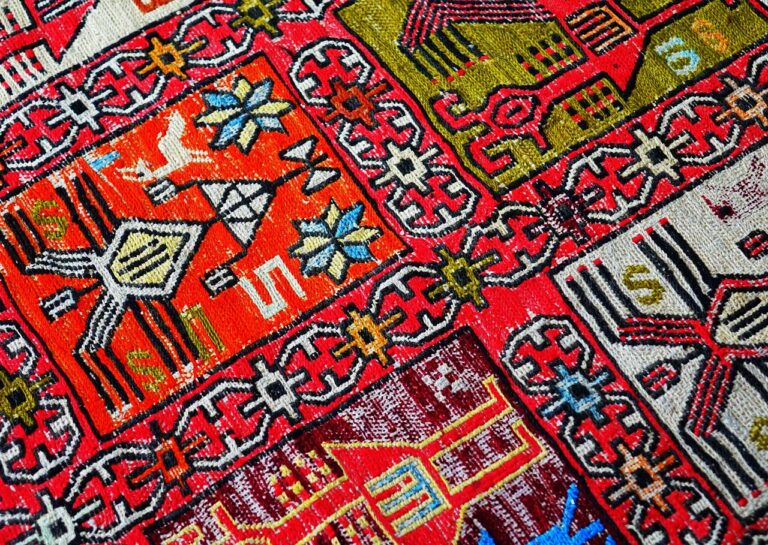
Turkish carpets are among the most famous crafts in the world, and behind every woven pattern lies a tradition that stretches back…

Turkish Table Manners for Guests
Being invited to a Turkish table is a genuine privilege, and it comes with a set of gentle, meaningful customs.
The Symbolism of the Evil Eye (Nazar Boncugu)
The nazar boncugu, the blue glass bead with its concentric circles, is the most recognizable symbol of Turkey.

Staying Safe During Earthquakes in Turkey
Turkey sits on some of the most seismically active ground on Earth, and for visitors that fact can sound frightening.