Çeşme is the town of the fountains and the fortress, and its history runs through the ancient, the Genoese, the Ottoman, and the modern layers of the Aegean coast. The name — fountain, from the thermal springs — is the oldest identity of the place, and the castle that guards the harbor tells the story of the shipping and the defense of the centuries. This guide explores the history and the culture of Çeşme and its region.
The Name and the Place
The name of Çeşme tells the first part of the story. The name means fountain in Turkish, and it comes from the thermal springs of the area — the mineral-rich waters that have drawn the bathers for centuries, the reason the settlement existed before the castle and the port; the springs gave the town its name, and the identity has lasted through the eras. The town sits at the tip of the peninsula, facing the Greek island of Chios across the narrow strait, and the position — the last land before the island, the natural harbor of the coast — has shaped its whole history.
The place of Çeşme in the region is the strategic one: the strait to Chios, the harbors of the coast, and the routes of the Aegean all pass through it. The town that the ships passed has always been the gate of the strait, and the history flows through it.
The Ancient Roots and the Thermal Heritage
The history of the region begins in the antiquity, and the thermal springs are the oldest identity of the place. The ancient world knew the springs of the area — the mineral waters that the ancients bathed in, the settlements and the cults that grew around them — and the name of the modern town carries the heritage; the ancient settlements of the peninsula and the coast, the Greek and the Roman towns of the region, spread the antiquity along the shoreline; and the island of Chios, across the strait, was one of the great Greek islands of the ancient world, the wine and the trade of the antiquity. The ancient roots of the region are the deep past, and the thermal waters are the living link to it.
The practical ancient notes: the region’s ancient sites — the settlements of the peninsula, the cities of the coast — are the lesser-known ones, and the exploration of them gives the quieter encounters with the antiquity; the thermal springs of the area are the living heritage, still drawing the bathers; and the connecting of the region’s past — the springs, the strait, the island — reveals the ancient world of the coast. The ancient roots of the Çeşme region are the deep history, and the waters and the strait are the links to it.

The Genoese and the Byzantine Centuries
The medieval history of the region runs through the Genoese and the Byzantine centuries, when the strait and the trade of the Aegean were the prizes of the powers. The Genoese — the great maritime republic — held the islands and the ports of the Aegean, and the trade of the region flowed through their hands; the Byzantine era that preceded them left the Christian heritage of the coast; and the castle of Çeşme, in its earliest forms, began to guard the harbor and the strait through these centuries. The medieval centuries of the region were the centuries of the sea powers, and the strait was the prize.
The cultural inheritance of these centuries is the maritime one: the trade, the shipping, and the defense that shaped the town, and the connections to the island across the strait that the Genoese and the Byzantines both maintained. The history of the Çeşme region is the history of the Aegean in miniature, and the maritime layers are visible in the town and its harbor.
The Ottoman Era: The Castle and the Caravanserai
The Ottoman era shaped the Çeşme that the visitor sees today. The Ottomans took the region in the fifteenth and the sixteenth centuries, and they built the Castle of Çeşme in the early sixteenth century — the fortress guarding the harbor and the strait, the symbol of the town that stands today; the caravanserai of the town followed, the inn of the trade routes where the merchants and their caravans lodged; and the town grew as the Ottoman port, the harbor and the trade anchoring the settlement. The Ottoman era made Çeşme the fortified port, and the castle and the caravanserai are the inheritance that the modern town preserves.
The Ottoman centuries also brought the naval history of the region — the fleets and the battles of the Aegean, the defenses of the strait — and the castle saw the events of the era; the town’s old quarter, with its Ottoman houses and its mosque, dates from these centuries, and the modern Çeşme’s bones are the Ottoman ones.
The Castle: The Fortress of the Strait
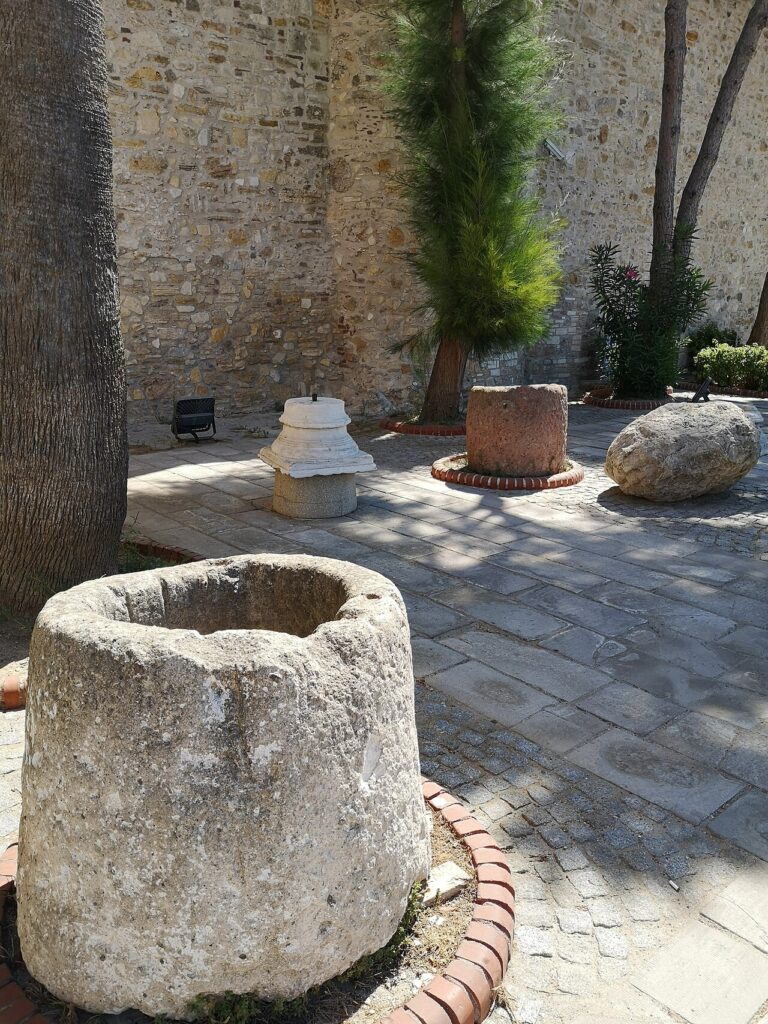
The Castle of Çeşme is the centerpiece of the town’s history, and its story is the town’s story in stone. The castle was built in the early sixteenth century by the Ottomans, its position guarding the harbor and the strait to Chios, and its walls have watched the shipping of the coast for five centuries; the fortress was the defense of the port, the refuge of the town, and the symbol of the Ottoman presence on the strait; and the castle today, with its ramparts and its towers, houses the museum of the town and gives the views over the harbor that the defenders once scanned. The castle is the enduring symbol of Çeşme, and the walk through it is the walk through the town’s history.
The practical castle notes: the castle and the museum are the compact visits, and the morning is the time for them; the rampart views over the harbor and the strait are the highlight; and the interpretation of the castle is the good one, with the museum’s collections telling the story. The Castle of Çeşme is the fortress of the strait, and the walls have watched the centuries.
The Culture of the Thermal Town
The culture of Çeşme is the culture of the thermal town and the port, and the traditions of the place are the living ones. The thermal heritage anchors the culture: the springs that gave the town its name, the bathing and the wellness traditions that continue in the spas; the sea anchors the rest — the fishing, the shipping, the strait — and the port life of the town; and the food of the region — the fish of the day, the mezes, the famous breakfasts of Alaçatı — is the daily table. The culture of Çeşme is the Aegean port-and-spring culture, and the waters and the sea are its engines.
The cultural calendar of the region follows the seasons and the faith: the religious holidays with their shared meals, the summer festivals and the concerts, and the celebrations of the coast. The hospitality of the region — the tea that is always offered, the conversation that is always welcomed — is the culture’s most visible face, and the visitor who engages with it finds the real town beneath the resort.

Alaçatı: The Village Culture
The culture of Alaçatı, the famous village of the region, adds the layer that has made the area famous. The village was settled by the Greeks of the Ottoman era and rebuilt in the exchange of populations, and its stone houses — the legacy of its builders — have been restored into the stylish village of today; the village culture — the café life, the boutique shopping, the famous breakfasts — has made Alaçatı the destination, and the windsurfing culture of its bay has made it the sports capital; and the balance of the heritage and the style is the village’s achievement. Alaçatı is the culture of the region’s present, and the stone village tells the story of the exchange and the revival.
The practical village notes: the village’s history is readable in its architecture — the stone houses, the restored lanes; the museums and the interpretation of the village’s past are the modest ones; and the village’s present — the cafés, the boutiques, the wind — is the living culture. The culture of Alaçatı is the region’s stylish present, and the stone village is its stage.
The Culture Today: The Town and the Visitors
The culture of Çeşme today is the meeting of the town and the visitors, and the balance is the town’s achievement. The tourism has made the region what it is — the resorts, the village, the windsurfing — and the town has woven the new economy into its old rhythms: the thermal springs serving the spas, the harbor serving the ferries, the locals serving the visitors with the warmth of the region; yet the town remains the working place, the port and the spring of the Aegean. The culture of Çeşme is the living one, and the traveler who looks past the resort finds the town’s own life.
The practical engagement with the culture: the morning at the old quarter, the thermal bath, the caravanserai’s wander, the lokanta lunch, and the conversations with the people who live and work in the town. The culture of Çeşme is not the museum — it is the daily life — and the visitor who participates rather than observes finds the history and the culture of the thermal port alive in the present.

The Takeaway
The history and culture of Çeşme run through the springs, the fortress, and the strait: the thermal waters that gave the town its name, the Ottoman castle that guarded the harbor, the caravanserai of the trade, and the stylish revival of Alaçatı. Soak in the springs, walk the ramparts, and engage with the daily life of the town. The fountain town of the Aegean holds the history of the strait, and the fortress and the waters tell it best.
Frequently asked questions
What does the name Çeşme mean?
It means “fountain” in Turkish, named for the thermal springs of the area that have drawn the bathers for centuries.
What is Çeşme famous for historically?
The thermal springs that gave it the name, the Ottoman castle guarding the strait to Chios, and its role as the port of the Aegean.
Is the Castle of Çeşme worth visiting?
Yes — the Ottoman fortress with its museum and its rampart views over the harbor and the strait is the town’s essential history.
What is the cultural heritage of Alaçatı?
The stone houses of the Greek-era village, restored into the stylish village of today, with the famous café and windsurfing culture.
Is Çeşme worth visiting for history?
Yes — the castle, the caravanserai, the thermal heritage, and the strait’s maritime story give the compact and the rich history.

All Over Information
The All Over Information editorial team researches and writes practical English-language guides to Turkey. Facts are checked against official and local sources before publication, prices are published as dated ranges rather than quotes, and guides are revised when things change. We accept no sponsored posts, paid placements or paid links.
More guides like this

The Best Day Trips from Cesme
Çeşme makes the perfect base for the excursions of the Aegean region, and the day trips from the peninsula reach the Greek…

Cesme in Summer: A Complete Travel Guide
Summer is the season that Çeşme was made for: the long, hot days over the turquoise Aegean, the beaches and the windsurfing…

Nightlife Guide to Cesme
The nightlife of the Çeşme region runs on the style of Alaçatı and the energy of the marina: the lantern-lit village lanes,…
Hidden Gems of Cesme Most Tourists Miss
Çeşme shows its famous face to everyone — the castle, the Ilica lagoon, the Alaçatı lanes — but the peninsula keeps its…

Best Local Restaurants in Cesme
The food of the Çeşme region is the Aegean table at its most stylish: the seafood of the coast, the mezes, the…

A Foodie’s Guide to Cesme
For the food traveler, the Çeşme region is the Aegean at its most stylish: the seafood of the coast, the mezes, the…