Istanbul is one of the great historic cities of the world — a city that has been the capital of three empires, the seat of the Roman, the Byzantine, and the Ottoman worlds, and the meeting point of the continents and the cultures for more than a millennium and a half. Its history is the history of the region itself: the foundation, the glory, the conquest, and the modern metropolis — and its layers are visible everywhere, from the Roman aqueduct to the Byzantine churches to the Ottoman mosques to the modern city that surrounds them. This guide unpacks the history and culture of Istanbul: how the city was founded, what it became, and how the layers still visible in the streets tell the story.
The Foundation: Byzantium and the Roman City
The city’s history begins in antiquity, when Greek settlers founded a colony on the peninsula between the waters — a place they called Byzantium, on the site where the Bosphorus meets the Sea of Marmara. The position was the key: a natural harbor, a defensible peninsula, and the meeting of the trade routes of the sea. For centuries, Byzantium was a modest Greek city — until the Roman emperor Constantine chose it as his new capital in the 4th century AD.
Constantine refounded the city as his own, renamed it Constantinople, and built it as the new Rome: the walls, the forums, the hippodrome, and the great church. The city that Constantine built became the capital of the Eastern Roman Empire — and the beginning of the city’s two-thousand-year life as a seat of empires.
The Byzantine City: The Capital of Christendom
For a thousand years, Constantinople was the capital of the Byzantine Empire — the great Christian city of the East, and for much of that time the largest and richest city of the medieval world. The city’s monuments of that age survive: the great church of Hagia Sophia, built by the emperor Justinian in the 6th century, the churches hidden in the old city, the walls and the cisterns, and the hippodrome where the chariot races ran.
The Byzantine city was the guardian of the Greek and the Roman inheritance — the learning, the art, and the faith — and its influence reached across the medieval world. The city survived the centuries of the empire’s decline, and its walls held until the final siege.
The Ottoman City: The Capital of the Empire
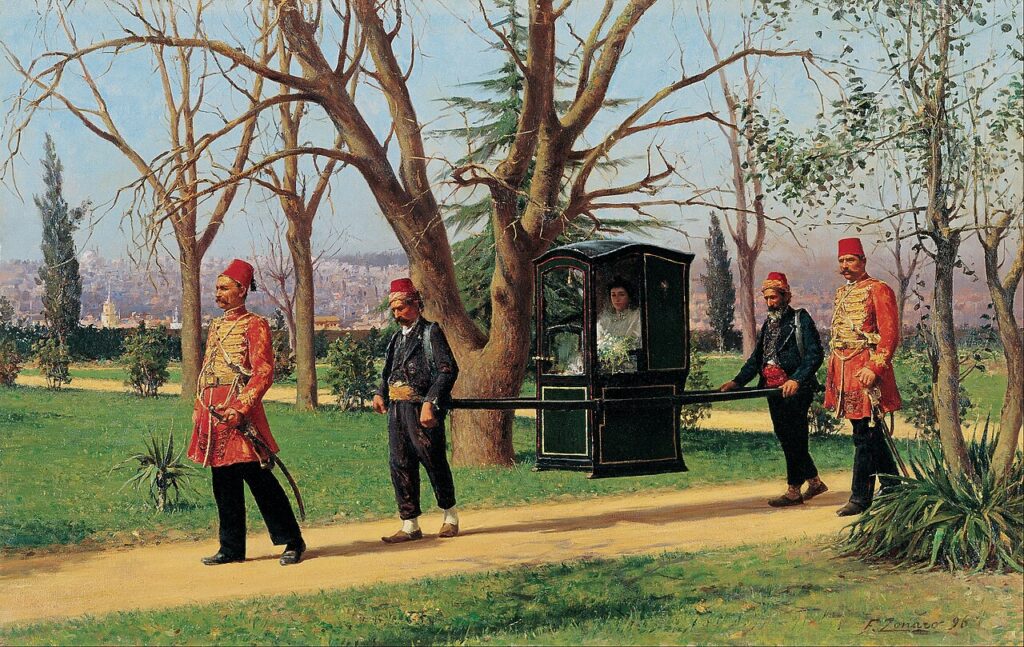
In 1453, the Ottoman sultan Mehmed the Conqueror took the city, and Constantinople became Istanbul — the capital of the Ottoman Empire, and one of the great cities of the world for four more centuries. The Ottomans transformed the city: the churches became mosques, the new great mosques rose on the skyline — the Süleymaniye, the Blue Mosque — and the palaces and the bazaars filled the city. The Topkapi Palace became the seat of the sultans, and the city became the heart of an empire that stretched across three continents.
The Ottoman city was a cosmopolitan capital — the Muslims, the Christians, and the Jews of the empire lived in its quarters, and the trade and the life of the city made it one of the great metropolises of the world.
The Modern City: The Republic and the Metropolis
With the end of the Ottoman Empire and the founding of the Turkish Republic, the capital moved to Ankara — but Istanbul remained the great city of the country: the commercial, the cultural, and the human heart of modern Turkey. The 20th century brought the city’s extraordinary growth, from a historic capital to a metropolis of nearly sixteen million people, spanning two continents.
The modern city is the meeting of its layers: the ancient and the Byzantine and the Ottoman monuments standing among the modern streets, the historic quarters beside the skyscrapers, and the life of a metropolis that has absorbed the world’s peoples and cultures for two thousand years.

The Culture of Istanbul Today
The living culture of the city is a fusion of the layers:
- The faiths. The mosques, the churches, and the synagogues of the city — the faiths that have shared Istanbul for centuries, and the coexistence that is its culture.
- The table. The food of the city — the great table of Turkey at its fullest — is the daily culture, from the street food to the meyhane.
- The tea and the coffee. The çay and the Turkish coffee are the rituals of the city — the hospitality and the conversation.
- The arts. The museums, the galleries, the music, and the life of the modern city — the culture of the metropolis.
- The hospitality. The welcome of the city — a city that has welcomed strangers for its entire history — is the culture that the traveler experiences first.
Visiting the History: What to Look For
A walk through Istanbul is a walk through the layers:
- The Roman city — the aqueduct, the hippodrome, and the walls.
- The Byzantine city — Hagia Sophia, the churches, and the cisterns.
- The Ottoman city — the mosques, the palaces, and the bazaars.
- The modern city — the streets, the neighborhoods, and the life of the metropolis.
- The water — the Bosphorus and the Golden Horn, the setting of the city’s life.
The Continuity of the City
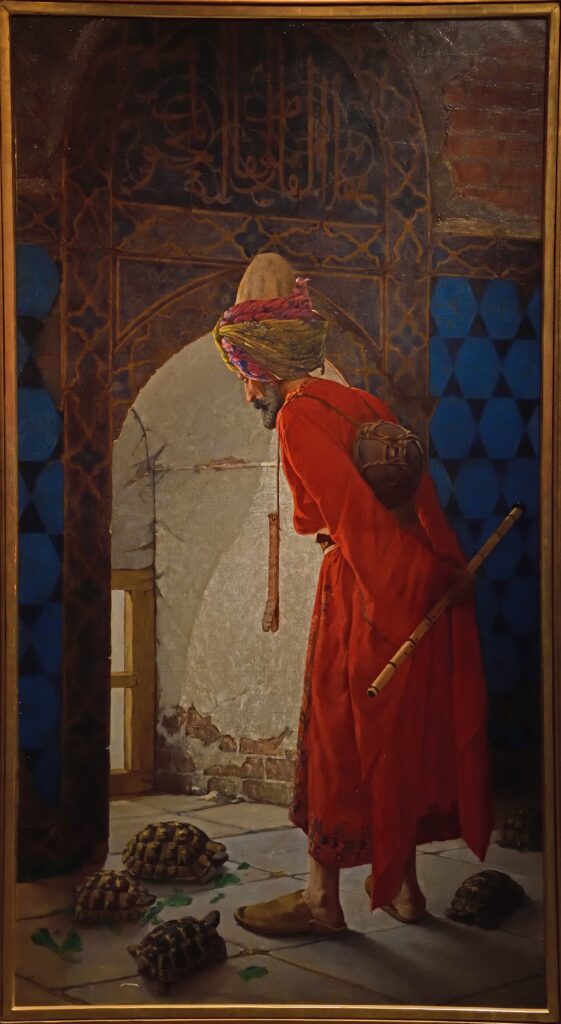
The most remarkable thing about Istanbul is the continuity of its life. The city has been continuously inhabited for more than two and a half thousand years, and continuously a great capital for more than a millennium and a half — a record few cities of the world can match. The peoples and the faiths have changed, the empires have risen and fallen, but the city on the peninsula has endured, and its life has continued through every transformation. The traveler who walks the streets walks a city that the Romans built, that the Byzantines and the Ottomans shaped, and that the modern world continues — a living continuity that makes the city’s history not a record of the past but the fabric of the present.
The Coexistence of the Faiths
One of the deepest cultures of the city is the coexistence of its faiths. The mosques, the churches, and the synagogues of Istanbul have stood side by side for centuries — the Muslim, the Christian, and the Jewish communities of the empire and the republic sharing the city’s quarters, its streets, and its life. The coexistence is not a museum exhibit but a living reality, and the faiths of the city continue to meet in its neighborhoods and its festivals. For the traveler, that coexistence is part of the city’s wonder: the faiths that have shared Istanbul for centuries, and the culture of tolerance that is the city’s inheritance. The mosques and the churches together are the symbol of the city’s deepest culture.

The Water and the City
The final layer of the city’s history is the water. The Bosphorus, the Golden Horn, and the Sea of Marmara are not the setting but the cause of Istanbul — the water that gave the city its harbor, its trade, and its position at the meeting of the continents. The city’s history is the history of its water: the fleets and the trade, the ferries and the bridges, and the life of the strait that has carried the city’s people for millennia. For the traveler, the water is the key to understanding the city — the ferries and the shores give the sense of the position that made Istanbul what it is, and the Bosphorus is the thread that runs through the city’s whole story.
The Takeaway
Istanbul’s history is the story of a city at the meeting of the world: the Greek colony, the Roman capital, the Byzantine great city, the Ottoman capital, and the modern metropolis — two thousand years layered on the peninsula between the waters. The aqueduct and the churches, the mosques and the palaces, and the life of the modern city are all part of that long story. To walk Istanbul is to walk through the layers of the ages — and to understand why this city of two continents is one of the great places of the world.
Frequently asked questions
How old is Istanbul?
The city’s history reaches back to antiquity — the Greek colony of Byzantium — and it has been a great capital since the 4th century AD.
What empires have had their capital here?
The Roman (as Constantinople), the Byzantine, and the Ottoman empires — more than a millennium and a half as a capital.
What is the significance of Hagia Sophia?
The great church built by the emperor Justinian in the 6th century — for a thousand years the largest building in the world, and the symbol of the Byzantine city.
How did the Ottomans change the city?
They made it the capital of their empire, transforming the churches into mosques, building the great mosques and the palaces, and making it the cosmopolitan capital of three continents.
Why is the city on two continents?
Its position on the Bosphorus, the strait that separates Europe from Asia — the water that made the city a meeting point of the world.
Is the city’s history visible today?
Yes — the Roman, the Byzantine, and the Ottoman layers stand among the modern streets, and the city’s culture is the continuation of its long history.

All Over Information
The All Over Information editorial team researches and writes practical English-language guides to Turkey. Facts are checked against official and local sources before publication, prices are published as dated ranges rather than quotes, and guides are revised when things change. We accept no sponsored posts, paid placements or paid links.
More guides like this

Hidden Gems of Istanbul Most Tourists Miss
Istanbul is a city of wonders, and the visitors follow a well-worn circuit — Hagia Sophia, the Blue Mosque, Topkapi, and the…

Nightlife Guide to Istanbul
Istanbul has one of the great nightlife scenes of the world — a city where the evenings run late, the meyhane and…

How to Get to Istanbul from Istanbul
This guide answers a question that confuses many first-time visitors: how to get to Istanbul from Istanbul.

A First-Timer’s Guide to Istanbul
Istanbul is one of the great cities of the world — a metropolis of nearly sixteen million people that spans two continents,…
The Best Day Trips from Istanbul
Istanbul is a city you could never leave — the monuments, the water, and the life could fill a lifetime.

Best Time of Year to Visit Istanbul
Istanbul is a city of seasons, and the season you choose changes the character of the visit.