Karakoy is the gateway quarter of Istanbul — the port at the mouth of the Golden Horn where the city’s history and its present meet. For two thousand years the shore has received the city’s arrivals: the Byzantine traders and the Genoese merchants, the Ottoman bankers and the modern travelers. The quarter’s layers are the city’s own — the medieval colony and the imperial port, the finance of the empire and the art of the republic — and its culture is the culture of the gateway: the working water, the old stones, and the new life of the fashionable quarter. This guide tells that story — the history and the culture of the port at the city’s door.
The Ancient Shore: The Port Before the Port
The shore of Karakoy was the city’s landing place from the beginning. The Byzantine capital’s harbor extended along the Golden Horn, and the quarter’s ground holds the traces of the ancient port: the breakwaters and the quays, the warehouses and the trade of the empire’s capital. The name itself is old — Karaköy, the “dark village,” the medieval settlement that grew at the water’s edge below the hill. The medieval centuries brought the Genoese: the colony of Galata, the merchant republic’s outpost on the hill above the quarter, with its walls, its churches, and its tower — the Galata Tower that still crowns the quarter. The Genoese made the shore their port, and the quarter’s oldest layers — the medieval streets, the Arap Camii’s Gothic arches — date from the colony’s centuries. The gateway of the city was a gateway from the start, and the port’s history begins with the trade of the Middle Ages.

The Ottoman Port: The Banks and the Trade
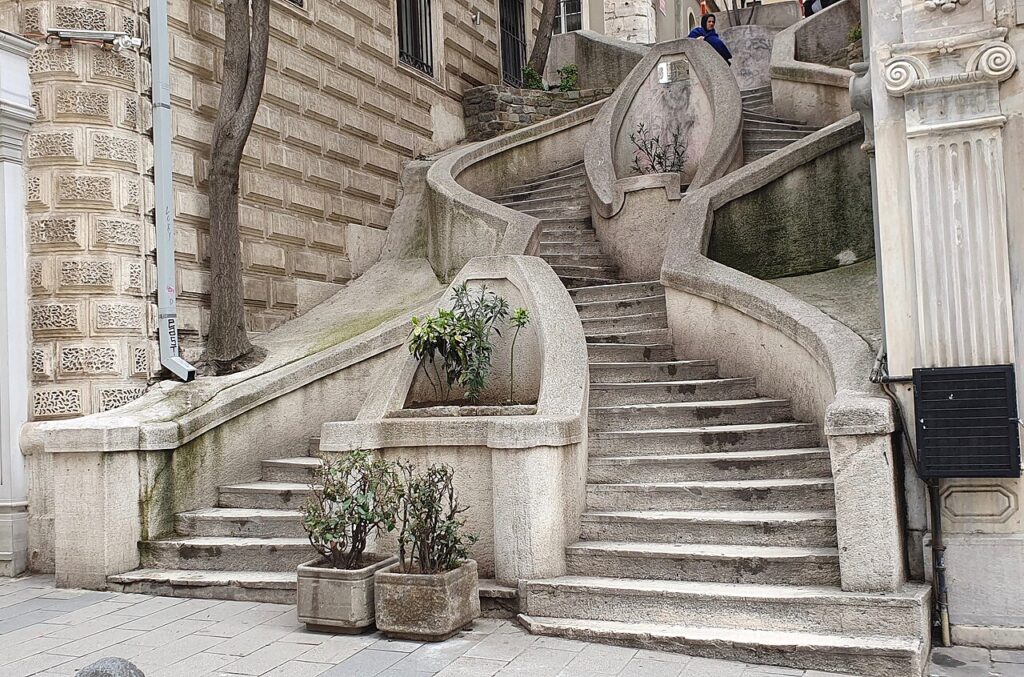
The Ottoman centuries made Karakoy the empire’s port — the commercial gateway of the capital. The conquest of 1453 brought the quarter fully into the Ottoman city, and the centuries that followed built the port’s great institutions. The customs houses and the warehouses of the shore handled the empire’s trade; the docks received the ships of the Mediterranean; and the quarter grew into the commercial heart of the Ottoman capital. The nineteenth century brought the port’s golden age: the Tanzimat reforms opened the empire to the world’s commerce, and the quarter became the financial district of the empire — Bankalar Caddesi, the Banks Street, with the grand facades of the Ottoman Bank and its rivals, the finance houses of the imperial economy. The Camondo family — the great bankers of the quarter — built their palace and their baroque stairs above the port, and their name still marks the quarter’s most beautiful monument. The Ottoman Karakoy was the empire’s gateway to the world’s money, and the banks and the warehouses of the port were its architecture.
The Republic: The Port in the Modern City
The republic kept the port, and the twentieth century transformed the quarter’s life. The banks moved and the finance shifted with the new state’s economy; the port’s trade modernized with the century; and Karakoy became the working harbor of the modern city — the ferries of the Bosphorus, the customs and the docks, the daily crossings of the strait. The quarter’s character in the republican decades was the working port: the warehouses and the workshops, the maritime trade and the daily life of the harbor. The changes were gradual — the port shrank as the trade moved, the old buildings emptied, and the quarter entered a long quiet — but the layers of the history stayed in the stone: the banks and the warehouses, the stairs and the churches, waiting for the quarter’s next chapter.

The New Karakoy: The Art and the Cafes
The newest chapter of the quarter’s history is the remaking — the transformation of the old port into the fashionable quarter of the new Istanbul. The change began with the art: the Istanbul Modern, the city’s contemporary art museum, opened in the converted warehouse on the waterfront, and the galleries of the side streets followed. The coffee came next: the specialty roasters and the third-wave cafes of the new quarter, the coffee culture that made the old port trendy. The restaurants and the design stores filled the old buildings; the graffiti covered the walls; and the Galataport, the new cruise terminal, opened the shore to the public. The new Karakoy is the old port remade: the warehouses are the galleries, the banks are the offices and the hotels, and the working water is the fashionable waterfront. The quarter’s newest layer is its most visible, and it is the layer the visitors see first.

The Culture Today: The Gateway’s Life
The culture of contemporary Karakoy is the culture of the gateway — the mix of the working port and the fashionable quarter, the old stones and the new life. The working water continues: the ferries cross from the piers, the fishermen line the bridge, the balık ekmek boats sell at the shore. The new life surrounds it: the galleries and the cafes, the design stores and the restaurants, the crowds of the fashionable quarter. And the layers of the history remain in the middle: the banks of Bankalar Caddesi, the curves of the Camondo stairs, the medieval arches of the Arap Camii, the old streets of the port. The culture of Karakoy is the gateway’s own — the port that never stopped working, the quarter that never stopped receiving — and its life is the city’s life at the door.
The Layers, Read Together
The history of Karakoy is the city’s gateway in layers — the medieval colony and the Ottoman port, the empire’s finance and the republic’s art, the working water and the fashionable quarter. The traveler reads the layers in the walk: the Arap Camii for the medieval colony, the banks for the Ottoman finance, the warehouses for the republican port, the Istanbul Modern for the new quarter — the whole story of the city’s gateway in a single walk. The layers are unusually visible: the old stones stand beside the new galleries, the working port beside the fashionable waterfront, and the quarter’s depth is its gift — the history of the gateway, open to the eye that knows to look.
The Walking Tour: The Layers in Order
The traveler who wants the layers in order walks them in order. Start at the water — the working port, the ferries and the fishermen — the layer that never stopped. Walk the shore — the customs and the warehouses, the iron of the new terminal — the layer of the trade. Climb Bankalar Caddesi — the grand facades of the empire’s finance, the banks and the towers of the Ottoman economy — the layer of the money. Take the Camondo stairs — the curves of the great banking family, the monument of the quarter’s golden age — the layer of the families. Find the Arap Camii — the medieval arches of the Genoese colony — the layer of the oldest city. And end at the Istanbul Modern — the warehouse remade as the museum — the layer of the new quarter. The walk is the quarter’s whole history in a single afternoon: the port, the trade, the finance, the colony, and the art — the gateway of the city, read from the water to the museum.
The Takeaway
Karakoy is the gateway quarter of the city — the port at the mouth of the Golden Horn where the history and the present meet. From the medieval colony and the Ottoman finance to the republican port and the fashionable remaking: the quarter’s layers are the city’s gateway in stone, read in the banks and the stairs, the warehouses and the galleries. Walk the quarter with that story in mind — the medieval arches, the imperial banks, the working water, the new art — and the gateway stops being a backdrop and starts being history: the port that received the city’s arrivals for two thousand years, and the quarter that is still receiving them, in the galleries and the cafes of the new Istanbul.
Frequently asked questions
Why is Karakoy historically important?
It is the gateway port of the city — the shore where the arrivals have landed for two thousand years, from the Byzantine traders to the modern travelers.
What is the most important historical site?
Bankalar Caddesi — the Banks Street of the Ottoman financial district, with the grand facades of the empire’s finance — and the Camondo stairs above it.
How old is the quarter?
The medieval settlement dates to the Byzantine and the Genoese centuries; the port’s golden age was the nineteenth century of the Ottoman finance.
What made the quarter fashionable?
The art and the coffee — the Istanbul Modern and the galleries, the specialty roasters and the cafes that remade the old port in the last decades.
What makes Karakoy culture distinctive?
The gateway’s mix — the working port and the fashionable quarter, the old stones and the new life, the layers of the history in the same streets.

All Over Information
The All Over Information editorial team researches and writes practical English-language guides to Turkey. Facts are checked against official and local sources before publication, prices are published as dated ranges rather than quotes, and guides are revised when things change. We accept no sponsored posts, paid placements or paid links.
More guides like this
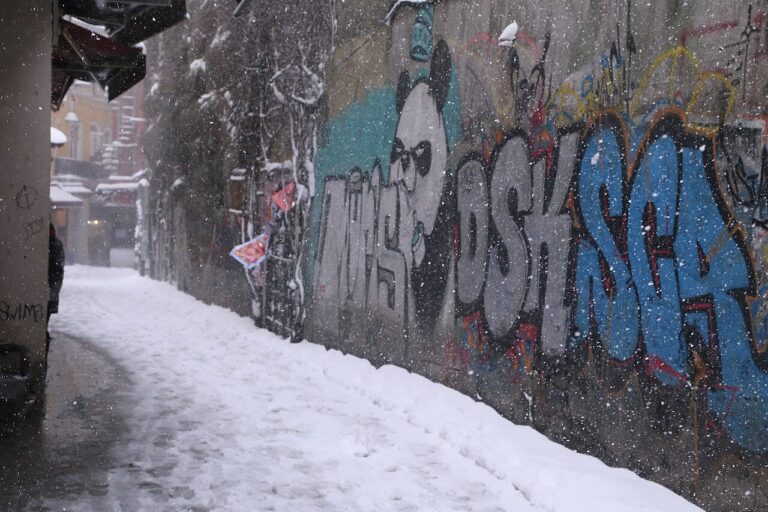
Best Time of Year to Visit Karakoy
Karakoy is a year-round quarter — the ferries and the galleries, the fish tables and the coffee shops run through all four…

Nightlife Guide to Karakoy
Karakoy is the nightlife capital of the new Istanbul — the waterfront where the city goes out.

Karakoy in Summer: A Complete Travel Guide
Summer is Karakoy's liveliest season — the long days, the late evenings, the waterfront full, the quarter's fashionable life at its most…

A Foodie’s Guide to Karakoy
Karakoy is the food capital of the new Istanbul — the quarter where the city's dining life happens.

A First-Timer’s Guide to Karakoy
Karakoy is the waterfront quarter at the mouth of the Golden Horn — the old port of Istanbul reborn as the city's…

The Best Day Trips from Karakoy
Karakoy sits at the water's edge of Istanbul — the piers at the quarter's feet, the bridge to the old city, the…