Kayseri is one of the oldest continuously inhabited cities of Anatolia, and its story reads like a condensed history of Turkey itself. The city was a Hittite trading centre, a Roman provincial capital, a Byzantine fortress, a Seljuk showpiece, an Ottoman commercial hub and a modern industrial powerhouse. Each era left its mark in stone, and the layers are still visible in the streets, the monuments and the character of the people. This guide traces the long history of Kayseri and explores the culture that grew from it: the food, the faith, the famous sons and the living traditions that make the city what it is today.
From Mazaca to Rome
The history of Kayseri begins deep in antiquity, when the settlement was known as Mazaca, a town of the region the Greeks called Cappadocia. The site was chosen for the same reasons it works today: fertile plains, water and the protection of the mountain.
When the Romans absorbed Cappadocia, they made the city the capital of the province and renamed it Caesarea, in honour of the emperor. The name survives in the modern Turkish form, Kayseri, and the city became a wealthy centre on the great trade routes of the ancient world.
Roman Kayseri was a city of villas, baths and public buildings, and traces of that era still emerge in the foundations of the old town. The Roman heritage, though buried beneath later layers, is the first chapter of the city’s identity.
The Byzantine Centuries
With the division of the Roman Empire, Kayseri became part of the Byzantine world, and it served for centuries as a frontier fortress against the armies that pressed into Anatolia from the east. The city’s defensive importance is written in its massive castle, whose core dates to this period.
The Byzantine era was also a time of faith, and Kayseri was an ecclesiastical centre with a succession of notable bishops. The rock-cut churches of the surrounding region, carved in the same tuff that made the city’s name, belong to this age of Christian Anatolia.
The landscape of caves and monastic settlements around Kayseri is a reminder that the region was a deeply Christian land for more than a millennium. The Byzantine layer sits beneath the Seljuk city, still visible in the stones.

The Seljuk Golden Age
The arrival of the Seljuk Turks in the eleventh and twelfth centuries began the most brilliant chapter in Kayseri’s history. The city became a major centre of the Anatolian Seljuk state, and its rulers invested heavily in architecture, learning and trade.
The monuments of this era still define the old city: the Hunat Hatun complex, the Grand Mosque and the medreses where scholars studied theology, medicine and astronomy. The carved stone portals, with their intricate geometry, are among the finest examples of Seljuk art anywhere.
Under the Seljuks, Kayseri was also a hub of the caravan trade, and the caravanserais of the region sheltered merchants travelling between Persia and the Mediterranean. This was the golden age that made Kayseri a byword for Anatolian culture.
Kültepe and the Merchants of Kanesh
No account of Kayseri’s history is complete without Kültepe, the archaeological site near the city that was once the city of Kanesh. Four thousand years ago, Assyrian merchants established a trading colony here, and the clay tablets they left behind form one of the world’s oldest archives of written commerce.
The tablets, many of them business letters and contracts, reveal a sophisticated world of trade in metals, textiles and grain, conducted across the mountains between Mesopotamia and Anatolia. The merchants’ houses, buried under the mound, are a window into the first golden age of the region’s economy.
The site is still being excavated, and it continues to reshape our understanding of the ancient world. The merchants of Kanesh were the ancestors of every trader who has ever set up a stall in the Kayseri bazaar.
The Kültepe collection, displayed in the Kayseri archaeology museum, is a highlight of any visit. It connects the modern city directly to its most ancient mercantile soul.

The Ottoman Era
Under the Ottomans, Kayseri remained a significant provincial city, and its role as a trading crossroads continued to shape its fortunes. The Ottomans added their own monuments, and the city’s architecture acquired the domes, minarets and fountains of the classical Ottoman style.
The Ottoman centuries were also a time of diversity, when Muslims, Christians and Jews lived and traded side by side. The old houses of Talas and Germir, built by the city’s Christian communities, are a poignant reminder of that cosmopolitan age.
Trade brought this diversity, and the tolerance it required became part of the city’s character. Walking those quiet streets today, it is easy to imagine the multilingual commerce of the Ottoman era.
The city’s Ottoman identity is still visible in the bazaar, the bathhouses and the great stone fountains that survive from the period. Kayseri entered the modern era as a prosperous, mixed and deeply traditional city.
The Republican Age and Industry
With the founding of the Turkish Republic, Kayseri began its transformation into the industrial powerhouse it is today. The city’s entrepreneurial spirit, already ancient, found new expression in factories, trade and construction, and Kayseri became one of Anatolia’s most successful business cities.
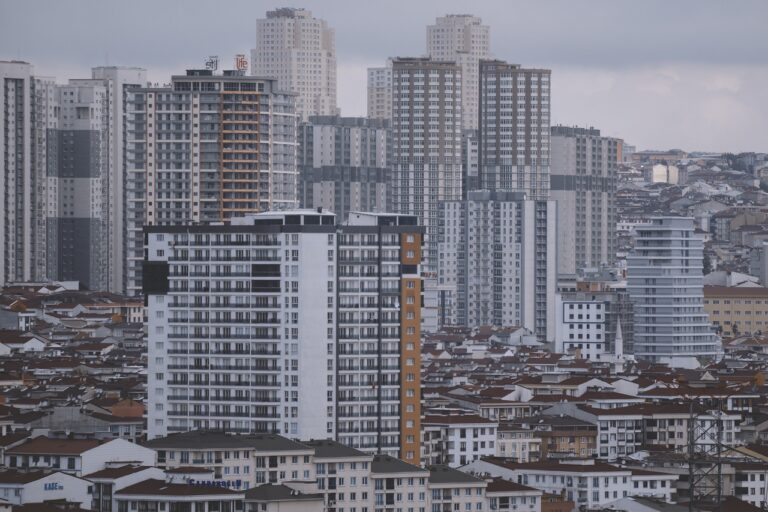
The modern city is a study in contrasts: high-rise blocks and shopping malls rising beside the medieval monuments, and a wealthy business class that drives the regional economy. The entrepreneurship of Kayseri, its merchants and its manufacturers, is famous across Turkey.
This modern success has funded the restoration of the old city and the museums that preserve its heritage. Kayseri today is a city that knows its past and invests in it, while building energetically for the future.

Religion and the Sacred Landscape
Religion has shaped Kayseri as deeply as trade. The city was a Christian centre in the Byzantine age, and the rock-cut churches and monasteries of the region are among the treasures of that heritage. The area around Kayseri is rich in the history of the early church.
The Islamic centuries added the mosques, tombs and medreses that now define the old city, and the Seljuk legacy of learning is inseparable from its religious foundations. The tomb of Mahperi Hunat Hatun and the great Friday mosque are the sacred heart of the medieval city.
Today Kayseri is a notably religious city, and its conservative character shapes the rhythm of daily life, from the call to prayer to the codes of dress and hospitality. The faithful and the curious are both accommodated, and visitors are welcome in the great monuments.
Food as Culture
In Kayseri, food is not just sustenance but identity, and the city’s cuisine is one of the most distinctive in Turkey. The repertoire of mantı, pastırma, sucuk and the great breakfast spreads is a source of immense local pride, debated, refined and defended over generations.
The food culture reflects the city’s history: the cured meats born of necessity on the Anatolian plateau, the dumplings folded by hand in family kitchens, the hospitality that turns every meal into an occasion. Eating in Kayseri is a way of participating in its culture.
Visitors who take the food seriously will be rewarded with warmth, because Kayseri people love to talk about their table. The cuisine is the living tradition that connects the ancient city to the present.

Famous Sons: Sinan and Abdullah Gül
Kayseri has produced figures who shaped the wider world, and the city remembers them with pride. The greatest is Mimar Sinan, born in the village of Ağırnas, who became the chief architect of the Ottoman Empire and designed the Süleymaniye Mosque and hundreds of other buildings.
In the modern era, Abdullah Gül, born in Kayseri, served as president of the Republic of Turkey, and his family home in the city is now a museum. The two men span the whole arc of Kayseri’s history, from the Ottoman zenith to the democratic republic.
The city’s pride in its sons is part of its self-image, and the museums and monuments devoted to them are among the most visited sites. They embody the ambition and achievement that define Kayseri.
Kayseri Culture Today
Contemporary Kayseri is a vibrant, layered culture that carries its history lightly. The bazaar still hums with the trade of centuries, the tea gardens still fill with conversation, and the city’s festivals and events connect the old traditions to new audiences.
The university and the young population bring energy and openness, and the modern cafes sit comfortably beside the medieval monuments. The city’s culture is a negotiation between tradition and ambition, and visitors see both sides everywhere.
The ski slopes, the industrial districts and the growing tourism infrastructure are all part of the same restless energy. Kayseri has always been a city that builds, and it has not stopped.
To understand Kayseri today, spend time in its everyday spaces: the market, the mosque courtyard, the restaurant, the family home. The culture of the city is alive in these places, and it welcomes the traveller who takes the time to look.
Frequently asked questions
What does the name Kayseri mean?
Kayseri derives from Caesarea, the name given to the city by the Romans when they made it the capital of the province of Cappadocia. The settlement had earlier been known as Mazaca, and the Turkish name is the modern descendant of the imperial title, a small echo of Rome in the heart of Anatolia.
Which period left the most visible legacy?
The Seljuk era left the most visible legacy, with the Hunat Hatun complex, the Grand Mosque and the medreses that still define the old city. The Byzantine castle core and the Ottoman bazaar and fountains add their layers. Together, they make Kayseri a living museum of Anatolian history.
Is Kayseri a religiously conservative city?
Kayseri has a reputation as a religiously conservative city, and faith plays a visible role in daily life. Visitors are welcome, though modest dress is appreciated in the old quarter and mosques, and the rhythm of prayer times shapes the streets. The city is also modern and business-minded, and the two identities coexist comfortably.

All Over Information
The All Over Information editorial team researches and writes practical English-language guides to Turkey. Facts are checked against official and local sources before publication, prices are published as dated ranges rather than quotes, and guides are revised when things change. We accept no sponsored posts, paid placements or paid links.
More guides like this

Shopping Guide: What to Buy in Kayseri
Kayseri has been a city of merchants since ancient times, and shopping here is not a pastime but a tradition.

Best Time of Year to Visit Kayseri
Kayseri is a city of four strong seasons, and each one offers a genuinely different experience. In winter, the snow transforms the…

Kayseri in Summer: A Complete Travel Guide
Summer in Kayseri is a season of light, long days and heat, and it rewards visitors who adapt to its rhythm.
Where to Stay in Kayseri: Neighborhood Guide
Choosing the right base in Kayseri can transform your trip, and the good news is that the city has options for every…

A Foodie’s Guide to Kayseri
For the travelling food lover, Kayseri is a revelation. This highland city has built one of Turkey's most distinctive regional cuisines, and…

Kayseri Airport and Transport Guide
Kayseri's airport and transport network are among the most convenient in central Turkey, and understanding them makes your trip flow effortlessly.