Tekirdağ looks like a quiet provincial city, but its history connects it to some of the grandest stories of the eastern Mediterranean. The city’s shore was settled in antiquity, its vineyards were praised by the classical world, its mosque was built by the greatest of Ottoman architects, a Hungarian prince died here in exile, and a poet who shaped Turkish literature was born here. This guide traces the history of Tekirdağ and introduces the culture you will find today.
The Thracian Shore: An Ancient Meeting Place
Tekirdağ stands on the northern shore of the Sea of Marmara, in the region known as Thrace, and its history begins with the peoples of that ancient land. The Thracians, whose tribes covered the region, lived and traded along these shores, and Greek colonists later established settlements on the coast, founding towns that became the ancestors of the modern city. The sea routes of the Marmara made this shore a natural meeting place.
The ancient city that grew here, known in the classical era as Bisanthe, was part of the world that Herodotus described, and the region passed through the hands of the Persian and Macedonian empires before settling into the long centuries of Roman rule. The vineyards of the Tekirdağ region were already famous in antiquity, with the wines of the area praised in the classical world, a tradition that endures to this day.
From Bisanthe to the Byzantine Centuries
Under the Byzantine Empire, the city that would become Tekirdağ was a provincial center of some importance, connected to the imperial capital at Constantinople across the Marmara. Its name evolved through these centuries into a form that carried the memory of the Byzantine lords: Tekfurdağı, the mountain of the lord, from the Byzantine title tekfur. The city’s hilltop position, watching over the sea routes, gave it a role in the defenses and the trade of the empire.
The Byzantine centuries left little in the way of standing monuments, but they shaped the city’s character as a port, an agricultural center, and a link between the capital and the Thracian hinterland. When the Ottoman state began to expand into Europe in the fourteenth century, this region, so close to Constantinople, was among the first Ottoman acquisitions, and a new chapter began.

The Ottoman Conquest and the Port City
The Ottoman conquest of the region in the fourteenth century drew Tekirdağ into the expanding Ottoman world, and the city developed under Ottoman rule as a port and a provincial center. Its harbor served the sea routes of the Marmara, its farmland fed the region, and its position between the capital and the European provinces made it a place of passage for armies, merchants, and officials. The city grew steadily through the Ottoman centuries.
The Ottoman era gave Tekirdağ its most visible monuments and its most lasting institutions, from the mosques and public buildings of the center to the patterns of trade and agriculture that shaped the city’s life. The cosmopolitan character of the Ottoman port, with its Muslims, Christians, and Jews, and its travelers from across the empire, left a deep mark on the culture of the city.
Rüstem Paşa and the Age of Sinan
The sixteenth century brought Tekirdağ its finest architectural moment, when the grand vizier Rüstem Paşa, one of the most powerful figures of the Ottoman state, commissioned a mosque in the city from the imperial architect Sinan. The Rüstem Paşa Mosque, with its elegant dome and slender minaret, is a classic of Sinan’s mature style, and it stands today as the pride of the city’s skyline, a provincial echo of the great works of Istanbul.
The mosque places Tekirdağ in the golden age of Ottoman architecture, when the state’s power was expressed in stone across the empire. Rüstem Paşa, who was also a patron of trade and had close connections to the region, tied the city to the networks of wealth and power of the sixteenth century. For visitors, the mosque is the monument that connects Tekirdağ to the empire’s greatest era.
The Wine Country: An Ancient Tradition
The vineyards of the Tekirdağ region are among the oldest of the eastern Mediterranean, and their story runs through the whole history of the area. The wines of the region were known in antiquity, and the tradition continued through the Byzantine and Ottoman centuries, with the villages of the coast, above all Mürefte, carrying the culture of the vine through the generations. The slopes of the Ganos hills and the vineyards stepping toward the sea are the landscape of this history.
In the modern era, the wine tradition of the region has been revived and renewed, with the wineries of Ganos and the coast producing wines that are once again finding their audience. For the culture of Tekirdağ, wine is not a curiosity but a thread of continuity, connecting the city’s ancient past to its present. Tasting the wines of the region is, in a real sense, tasting its history.
Rákóczi and the Hungarian Exiles
One of the most remarkable chapters of Tekirdağ’s history belongs to Ferenc Rákóczi II, the Prince of Transylvania, who spent the final years of his life in the city as a guest of the Ottoman Empire. Rákóczi, who had led a Hungarian uprising against the Habsburgs, found refuge in the Ottoman lands, and he died in Tekirdağ in 1735, having lived there with a small court of exiles. The mansion where he lived is now the Rákóczi Museum.
The story of the Hungarian exiles in Tekirdağ is a bond between two peoples that is still honored today, with Hungarian visitors making pilgrimages to the prince’s house. The museum preserves the memory of this extraordinary episode, when the shores of the Marmara became the last home of a European prince. It is a chapter of history that most visitors would never expect to find in a small Thracian city.

Namık Kemal: Poet of the City
In 1840, Tekirdağ gave Turkey one of its most influential writers, when Namık Kemal was born in the city. A poet, playwright, and journalist, Namık Kemal became a leading voice of the late Ottoman period, championing ideas of freedom, patriotism, and constitutional government through works that inspired a generation. His plays and poems are landmarks of Turkish literature, and his name is honored across the country.
The house where Namık Kemal was born is now a museum dedicated to his life and work, and the city claims him with deep pride, his name appearing on schools and streets throughout Tekirdağ. For the culture of the city, Namık Kemal represents the intellectual energy of the late Ottoman world, a tradition of letters that the city remembers and celebrates. His museum, alongside the Rákóczi house, gives Tekirdağ a surprising literary weight.
The Modern Era: Port, War, and Renewal
The twentieth century brought Tekirdağ through the upheavals that reshaped the region. The Balkan Wars and the First World War left their mark on Thrace, and the population exchange that followed the founding of the Turkish Republic brought new communities to the region, including Turks from the Balkans who settled in and around the city. These arrivals enriched the culture of Tekirdağ and bound it more closely to the wider Turkish world.
In the modern era, Tekirdağ developed as a port, an agricultural center, and a provincial capital, with its farmland producing grain, sunflowers, and grapes, and its harbor serving the sea routes of the Marmara. The city’s proximity to Istanbul brought growth and movement, and the old port city became a place of work and of quiet prosperity. Through all the changes, the city’s character, shaped by the sea and the land, endured.

Culture and Daily Life
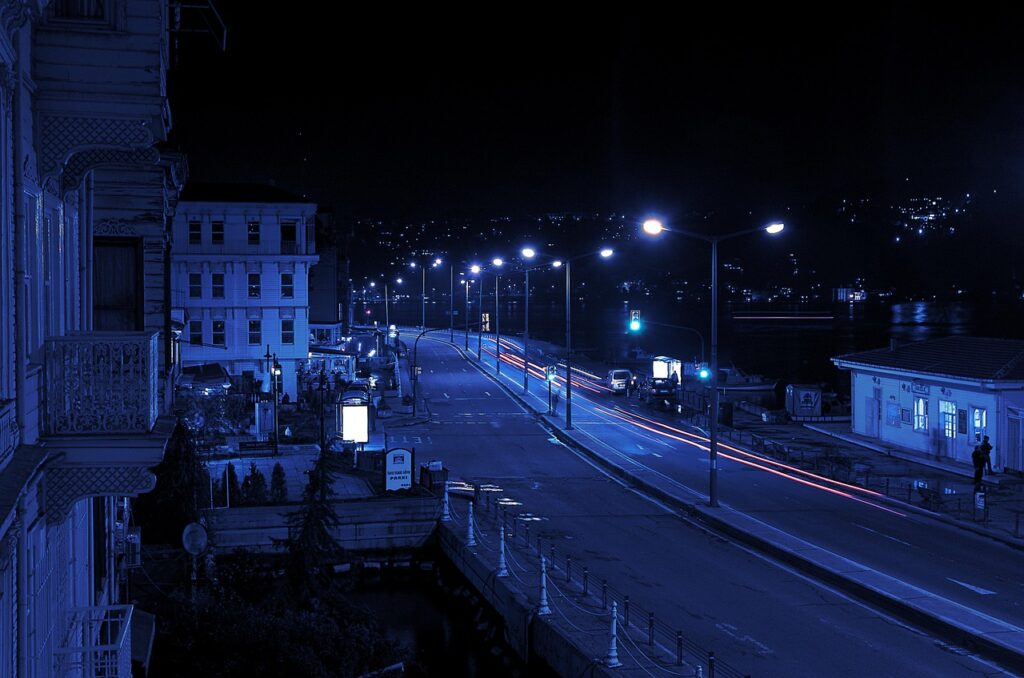
Daily life in Tekirdağ is shaped by the sea and by the rhythms of a provincial city. The waterfront is the social heart, where the city gathers for walks, tea, and conversation, and the harbor ties the city to the sea that has always defined it. The culture is warm and welcoming, and hospitality is taken seriously, with tea offered as a matter of course and conversation arriving easily.
The city’s culture is also carried in its food, its köfte and its fish, in its wine tradition, and in the easy pace of its days. It is a culture of the port and the farmland, of families and neighborhoods, and it is accessible to any visitor willing to slow down. For travelers, the pleasure of Tekirdağ is in participation, in walking the waterfront, eating at the local tables, and letting the city’s rhythm set the pace.
Food, Festivals, and Living Traditions
The living culture of Tekirdağ expresses itself in what the region makes and celebrates. The kitchen keeps the traditions of the coast, with the köfte that carries the city’s name across Turkey, the fish of the Marmara, and the meze tables of the waterfront. The vineyards continue their ancient work, and the festivals of the region mark the seasons, from the harvest to the summer beach culture.
These traditions are the daily life of the city, not museum pieces, and visitors encounter them everywhere, in the köfte house, the winery, and the harbor. Together they make the culture of Tekirdağ tangible, something to taste, drink, and take part in. It is this living culture, as much as the monuments and the museums, that makes Tekirdağ worth knowing.
Frequently asked questions
What is the most important monument in Tekirdağ?
The Rüstem Paşa Mosque is the most important monument, built in the sixteenth century for the grand vizier Rüstem Paşa by the great Ottoman architect Sinan. Its elegant dome and minaret make it the architectural highlight of the city, and it connects Tekirdağ to the golden age of Ottoman architecture. The mosque remains a working place of worship in the heart of the city.
Why is the Rákóczi Museum in Tekirdağ?
The museum stands in the mansion where Ferenc Rákóczi II, the Prince of Transylvania and leader of a Hungarian uprising, lived in exile for the last years of his life and died in 1735. The Ottoman Empire gave him refuge, and he remained in Tekirdağ with a small court of exiles. The house, preserved as a museum, is a place of pilgrimage for Hungarian visitors.
How did the population exchange affect Tekirdağ?
The population exchange that followed the founding of the Turkish Republic brought Turkish communities from the Balkans to settle in and around Tekirdağ, enriching the culture of the region. The newcomers added to the city’s food, music, and traditions, and bound the city more closely to the wider Turkish world. Their arrival was part of the wider reshaping of Thrace in the twentieth century.

All Over Information
The All Over Information editorial team researches and writes practical English-language guides to Turkey. Facts are checked against official and local sources before publication, prices are published as dated ranges rather than quotes, and guides are revised when things change. We accept no sponsored posts, paid placements or paid links.
More guides like this
Best Local Food in Tekirdag
Tekirdağ sits on the northern shore of the Marmara, and its kitchen is shaped by that position: seafood from the sea, produce…

Top Things to Do in Tekirdag
Tekirdağ may be a modest provincial city, but it packs a surprising number of things worth doing into a compact space.
A First-Timer’s Guide to Tekirdag
Tekirdağ sits on the northern shore of the Sea of Marmara, close enough to Istanbul for a weekend escape but far enough…

Day Trip Ideas from Tekirdag
Tekirdağ is a natural base for exploring the Marmara coast and the Thracian countryside, with the wine villages, beaches, and panoramic views…

Where to Stay in Tekirdag
Tekirdağ is a compact city, and choosing where to stay is mostly a question of whether you want the energy of the…