Giresun has been a city of the Black Sea coast for more than two thousand years, and its history is written in its landscape: a castle on a green hill, an island in the bay, timber houses climbing the slopes, and hazelnut orchards covering the mountains. The town began as a Greek colony, grew rich in the trade of the Pontic kingdom, and became one of the great hazelnut ports of the Ottoman world. This guide traces that long story and the living culture that surrounds it.
The Ancient City: Cerasus and the Greek Colonies
The history of Giresun begins with the Greek colonization of the Black Sea coast, when settlers from the Greek cities of the Aegean founded trading posts along the shore. The town that became Giresun was known in antiquity as Cerasus, and it grew as a harbor and a market for the interior.
The name Cerasus is woven into the wider story of the Mediterranean, because the town’s surroundings gave the world the word for the cherry: the Romans, it is said, took the name of the fruit from this coast, and the Latin word for cherry descended from the town’s own name.
The ancient city was a port of some importance, with its citadel on the hill and its harbor below, and the remains of that world lie beneath the modern town. The island in the bay, known as Aretias, was part of the same ancient landscape, with its shrine and its legends.
The Kingdom of Pontus and the Roman Centuries
In the Hellenistic age, the coast came under the rule of the kings of Pontus, whose kingdom stretched along the southern Black Sea and whose capital lay inland at Amasya. Giresun, called Pharnakeia after one of the kings, was one of the ports of this powerful state.
The Pontic kings were finally defeated by Rome, and the coast passed into the Roman Empire, where the town continued as a trading harbor of the province. The Roman centuries brought roads, administration and the settled commerce of the imperial peace.
The castle hill, with its walls and its cisterns, carries the traces of all these ages, and the ancient coins and sculpture in the town’s museum tell the same story in miniature. The town that the Byzantines inherited was already an old and important place.

Byzantine Giresun and the Monks of the Island
Under the Byzantine Empire, Giresun was a provincial port of the Black Sea, and the island in the bay became one of the landmarks of the region. The monastery and the church of Saint George on the island made it a place of pilgrimage and legend.
The Byzantine centuries were a time of frontier and faith, when the coast was exposed to raids from the sea and the castle was the town’s refuge. The island’s shrine, set in the waters of the bay, was a symbol of the town’s Christian identity.
The name Aretias carried its own legend: the island was said to have been the home of the monstrous birds that the hero of the ancient voyage of the Argonauts encountered on their way to the Black Sea. The story was told for centuries, and the island kept its mystery.
The Turkish Conquest and the Ottoman Centuries
The region passed into Turkish hands in the centuries after the battle of Manzikert in 1071, and the town became part of the Turkish world of the Black Sea. Under the Ottomans, Giresun grew as a port and a market for the rich hinterland.
The Ottoman centuries saw the town develop its timber houses, its mosques and its merchant class, and the harbor trade expanded with the products of the interior. The hazelnut, which the hills had grown for ages, became the great export of the region.
The town’s churches and its Greek community remained part of its life until the population exchanges of the early twentieth century, and the old Gogora Church still stands in the center as a monument to that shared history. The mansion of Hacı Hıseyin shows the world of the Ottoman merchants.
The Hazelnut: The Making of Modern Giresun
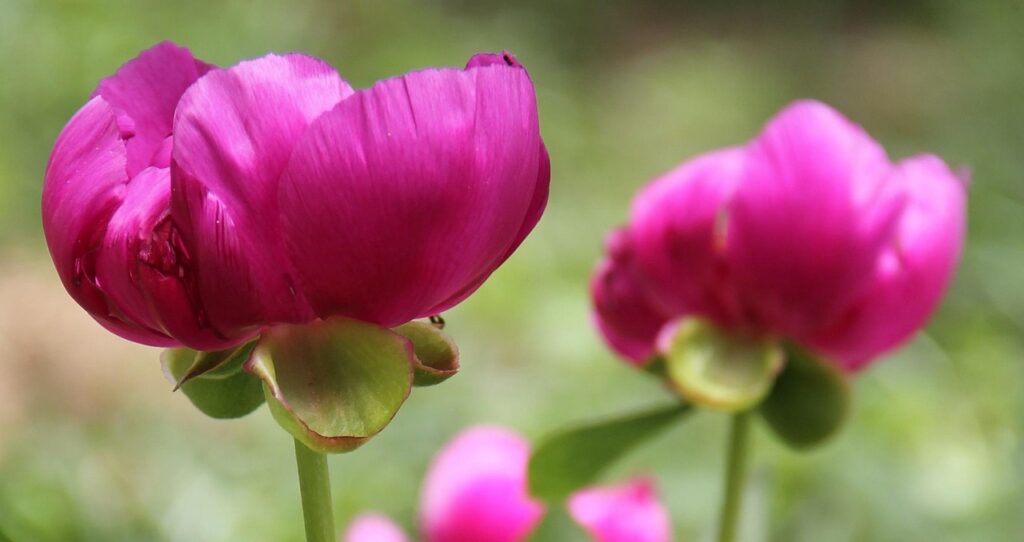
If one thing defines Giresun, it is the hazelnut. The hills behind the town are one vast orchard, and the small brown nut has driven the economy, the society and the identity of the region for more than a century.
The hazelnut trade made Giresun a prosperous port, and the town’s merchants, its warehouses and its harbor all grew around the crop. The harvest season, from August to September, still dominates the life of the region, when the whole population turns to the gathering and drying of the nuts.
The nut is more than an export: it is woven into the food, the festivals and the pride of the town. The hazelnut festival in autumn celebrates the crop with markets, music and events, and the town’s confectioners have built a sweet tradition around it.
The nut’s history in the region runs deep: the orchards and the trade grew together over the centuries, and the crop still shapes the social calendar of the coast, from the spring blossom to the autumn harvest.
The Yayla Culture: Summer on the High Pastures
Behind the coastal towns, the mountain plateaus of the region are the summer world of the Black Sea, and the yayla culture is one of the great traditions of Giresun. When the lowlands grow warm, the shepherds move their herds up to the high pastures, and the families of the coast follow.
The plateaus, from Kımbet to the farther meadows, fill with wooden chalets and tents, and the summer months are given to grazing, gathering and celebration. The yayla festivals bring music, dancing and the whole region together on the green heights.
This seasonal rhythm is ancient, and it still shapes the life of the region today. For the visitor, the plateaus are the clearest window into the culture of the Black Sea, a world of cowbells, cold nights and hospitality that the coast towns can only hint at.
The yayla life has its own codes and its own food, from the dairy of the herds to the gatherings of the festivals. For the people of the coast, the plateau is the summer heartland, and the memory of it carries through the year.

Music and Dance: The Kemençe and the Tamzara
The culture of Giresun is carried by its music, and the kemençe, the small bowed instrument of the Black Sea, is its voice. The fast, driving music of the kemençe plays for the region’s dances, and the town of Görele, east of Giresun, is one of its great centers.
The dances of the region include the Tamzara, one of the most famous of the Black Sea, danced in lines and circles with quick, intricate steps. The dance is known across Turkey, and in the region it is part of every wedding and festival.
The music is not a museum piece: it is played at celebrations, in tea gardens and on the plateaus, and the kemençe tradition is passed from musician to musician. For visitors, hearing it live, in the evening air of the coast, is one of the true experiences of Giresun.
The Republic and Modern Giresun
With the Turkish Republic, Giresun became a provincial capital, and the town continued its life as a port and a hazelnut city. The twentieth century brought the harbor’s expansion, the growth of the town and the gradual opening of the region to visitors.
The town has kept its character through the changes: the castle still watches over the bay, the timber houses of the old quarter still climb the hill, and the harbor still works for a living. The modern city is confident, provincial and deeply attached to its own traditions.
Today Giresun is the gateway to one of the most beautiful stretches of the Turkish coast, and its combination of ancient fortress, working harbor and mountain culture makes it a town that rewards a slow visit. Its history is not locked in museums; it is lived in the streets.
The modern town has grown beyond its old walls, but it has kept its identity as a working port and a hazelnut city. The balance it has struck, between the ancient fortress and the everyday harbor, is the essence of Giresun.

Living Culture: Festivals, Food and the Everyday
The living culture of Giresun is visible every day along the waterfront and in the lanes of the old quarter. The tea gardens, the fish restaurants, the hazelnut stalls and the music of the evening all belong to a town that is comfortable in its own skin.
The annual cycle of the region gives shape to the year: the anchovy season in winter, the greening of the hills in spring, the yayla festivals in summer, and the hazelnut harvest in autumn, when the whole town smells of roasting nuts.
For the visitor, the culture of Giresun is best experienced simply: a walk in the old quarter, a plate of anchovies by the harbor, a glass of tea while the boats come in. The town’s history is long, but its culture is immediate, and it welcomes you into both.
Frequently asked questions
Why is Giresun associated with cherries?
The ancient city of Giresun was known as Cerasus, and the surrounding coast was famous for its cherries in antiquity. According to the traditional story, the Romans brought the fruit from this region, and the Latin word for cherry is said to derive from the town’s name.
What is the history of the castle in Giresun?
The castle crowns the hill above the town and dates back to antiquity, when Giresun was one of the Greek cities of the Pontic coast. It was rebuilt and strengthened by the Byzantines and later by the Ottomans, and its walls, cisterns and towers still dominate the town today.
What is the Tamzara dance?
The Tamzara is one of the most famous folk dances of the Black Sea region, danced in lines and circles with quick, intricate steps. It is part of every wedding and festival in the region, played on the kemençe, and it is known and danced across Turkey far beyond its home here.

All Over Information
The All Over Information editorial team researches and writes practical English-language guides to Turkey. Facts are checked against official and local sources before publication, prices are published as dated ranges rather than quotes, and guides are revised when things change. We accept no sponsored posts, paid placements or paid links.
More guides like this

Best Local Food in Giresun
The cooking of Giresun is the cooking of the eastern Black Sea, a region that eats with the seasons and treats the…
Day Trip Ideas from Giresun
Giresun sits at the meeting point of two worlds: the Black Sea coast, with its harbors, castles and fishing towns, and the…

A First-Timer’s Guide to Giresun
Giresun is the hazelnut city of the Black Sea: a green, rain-washed town climbing from a busy harbor up a hillside crowned…
Where to Stay in Giresun
Giresun is not a big tourist town, but it offers a genuine range of places to sleep, from simple city hotels to…
Top Things to Do in Giresun
Giresun is a small city with an outsized collection of experiences: a castle on a green hill, an island in the bay,…