Anatolia has been growing olives for thousands of years, and Turkey is today one of the world’s largest producers of olive oil. The industry is concentrated along the Aegean and Mediterranean coasts, where ancient groves climb the hillsides above the sea and family mills still press the autumn harvest. For food-loving travelers, the olive regions offer some of the most atmospheric landscapes in the country, along with tasting rooms, village markets, and a cuisine built around the green-gold oil. This guide introduces the main production regions, the character of their oils, and how to visit them.
The Ancient Olive Heritage of Anatolia
The olive tree is native to the lands of the eastern Mediterranean, and Anatolia has been pressing its fruit since the earliest civilizations. The ancient cities of the Aegean and the Mediterranean coasts were built on olive wealth, and the trees of today’s groves descend from that long lineage.
The heritage is visible in the landscape. The oldest olive trees of Turkey are centuries old, with massive, gnarled trunks that look like sculpture, and the groves themselves, planted on terraces and slopes, have shaped the look of the coastal countryside for millennia.
The culture runs deep. The olive harvest, the pressing, and the first taste of the new oil are seasonal rituals in the coastal regions, and the oil is woven into the region’s cooking, its medicine, and its identity. To visit the olive country is to step into a tradition that predates the empires.
The Aegean: The Heartland
The Aegean region is the heartland of Turkish olive oil, and the province of Izmir leads the country in production. The hills of the peninsula, the valleys of the Gediz and the Buyuk Menderes, and the coast around the bay of Izmir are covered in olive groves.
The Aegean oils are the country’s most famous. The region’s climate, with its mild winters and long, dry summers, produces oils with a balance of fruit and bitterness, and the olives of the region, varieties like the Edremit and the Memecik, are the backbone of the industry.
The Aegean is also where the modern industry has its center. The mills are the most advanced in Turkey, the producers are the most export-oriented, and the region’s festivals, tastings, and markets make it the natural starting point for an olive oil tour.

Ayvalik: The Oil Capital
The town of Ayvalik, on the northern Aegean coast, is the spiritual capital of Turkish olive oil. The region around the town is one of the densest olive-growing areas in the country, and its oils, pressed from the local Edremit olive, are prized above all others.
The landscape around Ayvalik is pure olive country. The hills roll under groves of old trees, the islands of the bay carry their own olive terraces, and the town itself, with its stone houses and its seaside, is built on the wealth of the oil trade.
The visiting experience is complete. The mills of the region open their doors in the harvest season, the local markets sell the new oil, and the restaurants of the town cook with it. The autumn, when the harvest begins, is the season when Ayvalik is at its most alive.
The Aegean Islands and Their Groves
The islands of the Aegean, from Gokceada in the north to the smaller islands of the south, have their own olive traditions, shaped by their isolation and their maritime climate. The trees grow in the island terraces, and the oils are pressed in small family mills.
The island oils have a character of their own. The sea air, the island soils, and the old trees produce oils that are intense and distinctive, and the small scale of the production means each island’s oil tastes slightly different from the next.
For the traveler, the islands offer the most atmospheric oil tourism in Turkey. The small ports, the old mills, and the villages where the oil is still pressed as it has been for generations make a visit to the island olive country a step back in time.

The Mediterranean Coast and Hatay
The Mediterranean coast of Turkey is the second great olive region, and its character differs from the Aegean. The olives of the south grow in a hotter, drier climate, and the oils are often stronger and more robust than their northern cousins.
The province of Hatay, at the country’s southeastern corner, is a world of its own. The region’s olive groves are ancient, its pressing traditions are distinctive, and its cuisine, a blend of Turkish, Arab, and Mediterranean cooking, is built around the local oil.
The Mediterranean olive country is best visited as part of a coastal journey. The groves run almost unbroken from the Aegean border to the eastern end of the coast, and the towns and villages along the way each add their own chapter to the olive story.
The Southern Olive Country
Beyond Hatay, the olive growing continues along the southern hills and into the regions around Gaziantep and the southeast. Here the olive meets the steppe, and the groves are often older, wilder, and more traditional than those of the coast.
The oils of the south have their own following. The olives of the region, pressed by methods that have barely changed, produce oils with a depth that the industrial production cannot match, and the local kitchens use them in dishes that are famous across the country.
The southern olive country is the least visited and the most authentic. The mills are small, the hospitality is generous, and the traveler who ventures here sees the olive tradition at its most unpolished and its most genuine.

How Turkish Olive Oil Is Made
The making of olive oil is a craft with a simple core: the olives are picked, crushed, and pressed, and the oil is separated from the water and the pulp. The modern mills do this with stainless steel and centrifuges, but the sequence is the ancient one.
The harvest season, from late autumn through the winter, defines the character of the oil. The early-harvest oils, pressed from the green olives of the first weeks, are the most intense and the most prized, while the later oils are softer and more golden.
The quality depends on the fruit and the speed. The best oils are pressed within hours of the picking, from olives that are healthy and at the right ripeness, and the difference between a great oil and a mediocre one is decided in these details.
Tasting and Understanding Quality
The tasting of olive oil is a skill that any traveler can learn, and Turkey’s producers are happy to teach it. The oil is warmed in a small glass, smelled, and then tasted, and the good oils reveal their fruit, their bitterness, and their peppery finish.
The language of quality is simple. The best oils are labeled as extra virgin, which means they are pressed from the first cold pressing of the olives, and the good producers add the harvest date and the olive variety to the label.
The tasting rooms of the Aegean and the Mediterranean are the best classroom. The producers will walk you through their oils, explain the differences between the varieties, and teach you to recognize the fresh, grassy flavors that separate the great oils from the ordinary ones.

Olive Oil in Turkish Cooking
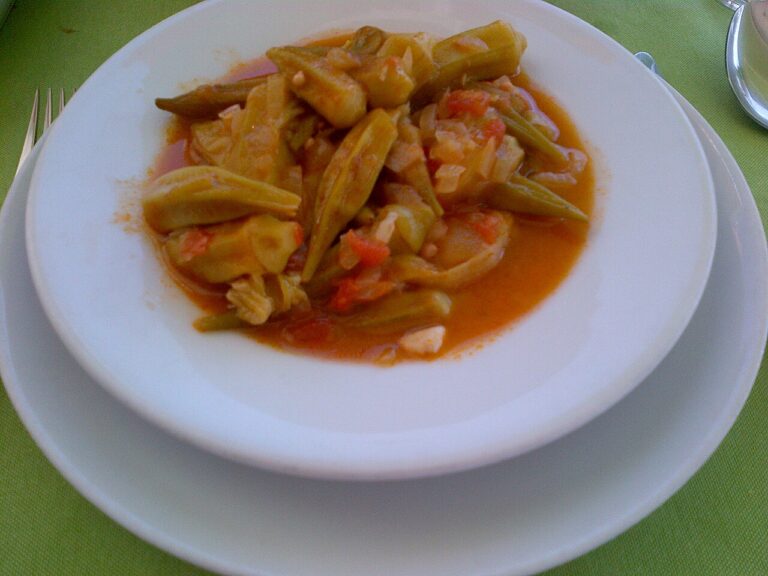
Olive oil is the foundation of the Aegean and Mediterranean kitchens, and the Turkish table is unthinkable without it. The famous vegetable dishes of the region, the zeytinyagli dishes, are cooked entirely in olive oil and served cold, and they are the purest expression of the oil’s character.
The daily rituals extend beyond the kitchen. The breakfast table starts with olives and a dish of oil for dipping, the salads are dressed with the first cold-pressed oil, and the oil is drizzled over everything from beans to fish. In the olive country, the oil is used as generously as the salt.
For the traveler, the oil is the souvenir that keeps giving. A bottle of the new season’s oil from a good producer brings the Aegean kitchen home, and the dish that uses it, whether a salad or a zeytinyagli stew, will carry the memory of the region.
Visiting the Olive Regions
The olive regions of Turkey are ready-made for travel. The groves, the mills, and the towns lie along the coastal roads, and a tour of the olive country can be as simple as driving the Aegean coast, stopping at the mills and the markets as the mood takes you.
The autumn is the season of the visit. The harvest begins in November, the mills open their doors, and the towns hold their festivals, with tastings, cooking, and music. The spring is the second season, when the groves are green and the new oil is at its freshest.
The practicalities are easy. The olive country is well served by roads and towns, the producers welcome visitors, and the local markets sell the oil, the olives, and the soaps that complete the olive experience. The journey through the olive regions is the journey through the heart of Turkish taste.
Frequently asked questions
Which region produces the best Turkish olive oil?
The Aegean, and especially the region around Ayvalik, is the most famous, with oils prized for their balance and fruit. The Mediterranean coast and Hatay produce stronger, more robust oils, and the southern regions offer intense traditional oils. The best oil is a matter of taste, and tasting the regions is the way to decide.
When is the olive harvest in Turkey?
The harvest runs from late autumn through the winter, beginning around November in the Aegean and continuing into the new year. The early-harvest oils, pressed in the first weeks, are the most intense. The harvest season is also the best time to visit the mills and the festivals.
Can I visit an olive mill in Turkey?
Yes, many mills in the Aegean and Mediterranean regions welcome visitors, especially during the harvest season, and some offer tastings and tours throughout the year. The small family mills of the islands and the south are the most atmospheric. Ask at the local tourism offices, or simply knock at the open doors of the harvest.

All Over Information
The All Over Information editorial team researches and writes practical English-language guides to Turkey. Facts are checked against official and local sources before publication, prices are published as dated ranges rather than quotes, and guides are revised when things change. We accept no sponsored posts, paid placements or paid links.
More guides like this

Midye Dolma (Stuffed Mussels): A Taste of Turkish Culture
No Turkish street food sounds quite like midye dolma. There is the hiss of the steaming pot, the tap of the vendor's…

How to Make Authentic Menemen at Home
Menemen is the dish that wakes up Turkey: a soft scramble of eggs folded into tomatoes and green peppers that have been…
How to Make Authentic Doner Kebab at Home
Doner kebab is built around a vertical spit, which most home kitchens do not have, but that does not mean you cannot…

How Turkish Cuisine Varies by Region
Ask a Turk about the national cuisine, and you will get a gentle correction: there is no single Turkish food, but seven…

Where to Find the Best Cig Kofte in Turkey
Cig kofte is sold in almost every Turkish city, but the best versions are tied to places.

Where to Find the Best Turkish Coffee in Turkey
Turkish coffee is brewed everywhere in Turkey, but some places serve it with more history, more atmosphere, and more skill than others.