The Kure Mountains National Park is one of Turkey’s wildest destinations, and visiting it well is mostly a matter of preparation. The park is remote, the forest is demanding, and the practical details, from the long approach roads to the wet weather, shape everything about the trip. But the effort is repaid with one of the finest wilderness experiences Turkey offers, a forest that feels like nowhere else. This guide gathers the practical knowledge you need, from getting there to what to pack, so your visit to the Kure Mountains goes smoothly.
The Gateways to the Park
The park is approached from two directions: from the coast and from the interior. On the coast, the towns of Cide and Bartin, with the beautiful seaside town of Amasra nearby, give access to the northern side of the park.
Inland, the city of Kastamonu is the main gateway from the south, with its historic old quarter, its transport connections, and the widest range of services in the region. Between the coast and the interior, the town of Pinarbasi sits close to the park’s heart.
Whichever gateway you choose, the park’s villages are the real bases, with their guesthouses and their trails at the doorstep. The choice of gateway shapes the journey, but the park itself is the destination.
Getting There by Road
The Kure Mountains lie in the western Black Sea region, roughly a day’s drive from Istanbul. The coastal route runs east along the Black Sea shore, while the inland route crosses the plains of the north toward Kastamonu.
The roads are sealed and generally good, but they are winding through the mountains, and the final approaches to the park’s villages are narrow and steep, so patience is required at the wheel. Allow more time than the distance suggests, and enjoy the journey, which passes through some of the greenest country in Turkey, with the forest closing in on both sides of the road.
From Ankara, the drive to Kastamonu takes a few hours, and from there the park is close. The approach from the coast, through Amasra and Cide, adds the beauty of the Black Sea shore to the trip.

Getting There by Bus and Train
For those without a car, the bus network reaches the region well. Services run from Istanbul and Ankara to Kastamonu and Bartin, and local buses connect the gateway towns with the smaller settlements of the region.
From Kastamonu, minibuses reach the towns near the park, and from the coast, services run along the shore toward Cide. The final stages to the park’s villages often require a taxi or a lift from the gateway town.
The train reaches the wider region, with the line through the north passing near Kastamonu’s area, and connections are made by road from the stations. For the park itself, a car or a local driver remains the practical key.
Getting Around the Park
A car is almost essential inside the park. The villages, the trailheads, and the viewpoints are spread across the valleys, and the distances between them are real, so transport makes the difference between seeing the park and merely visiting one village. The driving is slow and scenic, through forest and past rivers, and every turn brings a new view of the green country.
The park’s roads are quiet and mostly sealed, and the driving is scenic, through the forest and past the rivers. The villages have parking spaces, and the trailheads are marked along the routes.
For those without a car, the village guesthouses can arrange local transport, and guides with vehicles are available in the main villages. Ask at your accommodation, and the pieces come together.

Entry and Permits
The park has no gates or entrance fees in the usual sense, and the trails and the viewpoints are open to all, which keeps the practical side of the visit simple. The costs that do arise are transport, accommodation, guides, and the supplies you carry in, and the villages offer good value for all of them. It is one of the least commercialised national parks in Turkey.
For the Ilgarini Cave, a guide is the practical requirement, and the arrangements are made through the villages, where the equipment and the know-how are kept ready. The guides know the cave, the equipment, and the safe routes, and they are the proper way to visit, bringing the cave’s history to life as well.
The park’s management is light-touch, and the visitor is trusted to behave well. There are no ticket barriers, only the wilderness itself, and the respect it asks of you.
When to Visit
Summer, from June to September, is the main visiting season, with the driest weather and the most comfortable conditions for walking, and the forest is cool even in the height of summer, a true refuge from the heat of the plains.
Spring brings the fullest rivers and the greenest slopes, with the waterfalls at their most powerful and the forest at its freshest, while autumn turns the beech forest golden and the air clear and crisp. Both seasons are beautiful and quieter than summer, and the misty mornings give the forest a special atmosphere.
Winter is cold, wet, and snowy, closing the higher trails and most of the access roads. For the ordinary visitor, the season runs from spring to autumn, with summer the most reliable.

What to Bring
The park’s weather demands proper gear. Waterproof boots and a waterproof shell are the first items, along with warm layers, because the forest is cool and the rain can arrive at any time.
Beyond the weather gear, carry water, food, and a first-aid kit for the trails, and a map and a torch for the deeper routes, where the forest closes in and the light fades early. The villages have shops, but the trails have nothing, so self-sufficiency is the rule on every walk.
In summer, add sun protection for the open stretches, and in the cooler months, gloves and a hat. The rule is simple: the forest is wet and changeable, so pack for conditions rather than for the forecast.
Where to Stay
The park’s villages are the atmospheric choice, with guesthouses in traditional wooden houses serving home cooking and providing guides and local knowledge of the forest. The villages around the canyon country and the cave make the best bases, with the trails starting from the village streets and the evening quiet broken only by the stream.
The coastal towns, especially Amasra, add the sea to the stay, with hotels, fish restaurants, and the beauty of the Black Sea shore. They combine easily with day trips into the park, and they are a good choice for families.
Kastamonu offers the widest choice of hotels and services, with its old city as a bonus. Whichever base you choose, book ahead in summer, when the guesthouses fill with the region’s visitors.

Food and Supplies
The food of the region is the food of the Black Sea mountains: honey, hazelnuts, dairy, and the fish of the coast, all produced within a short distance of the park. The village guesthouses serve home cooking, generous and warming after a day in the forest, and the regional dishes are simple and satisfying.
The towns, from Kastamonu to the coast, offer the full range of restaurants and markets, and they are the place to stock up for the park, from trail food to fuel. The villages have small shops with the basics, but the choice is limited, so the gateway towns are the practical stop before entering the forest.
The classic plan is to eat with the guesthouses and the villages, and to carry your own supplies on the trails. The food of the Kure region, honest and local, is part of the experience.
Safety and Leave No Trace
The park’s wilderness demands respect. Tell someone your route, carry the basics, and be honest about the weather, which can change quickly in the mountains. The forest is beautiful and trackless in equal measure.
The wildlife, including bears and wolves, lives here, and the usual rules apply: make noise, keep food secured, and never approach animals. The encounters are rare, and the caution is routine.
Leave no trace is the park’s only rule: carry out everything you carry in, keep to the paths, and leave the forest as you found it. The Kure Mountains are wild because visitors treat them well, and the future of the wilderness depends on it.
Frequently asked questions
How many days should you allow for the Kure Mountains?
Two full days give you the park’s essentials: a day for the valleys, the canyon viewpoints, and the villages, and a second day for the cave or a longer walk into the forest. Three days allow the ridge trails, the waterfalls, and a slower, deeper pace, and the guesthouses make the stay easy. The park rewards time, and a rushed single day barely scratches the surface of what the forest offers.
Is the Kure Mountains park suitable for families?
Yes, with the right choices. The valley walks, the village stays, and the waterfall trails suit families, with the streams and the villages providing constant interest for children. The canyon and cave routes are for older children and fit adults, and the descents demand care. The wet, steep terrain deserves attention with younger children, but the forest is safe, welcoming, and full of interest.
What is the weather really like?
The Black Sea mountains are wet, with rain possible in any season and mist common in the forest, so the weather is the defining feature of a visit. Summers are mild and the most reliable, while winters are cold, wet, and snowy, closing the high trails. Pack waterproofs and warm layers whatever the forecast says, and the park rewards you with the lush green that the rain creates.

All Over Information
The All Over Information editorial team researches and writes practical English-language guides to Turkey. Facts are checked against official and local sources before publication, prices are published as dated ranges rather than quotes, and guides are revised when things change. We accept no sponsored posts, paid placements or paid links.
More guides like this

Best Hiking Trails Around the Kaz Mountains (Mount Ida)
The Kaz Mountains of northwestern Turkey are walking country of the finest kind: forested ridges, cold streams, and a network of trails…

Best Hiking Trails Around the Goksu Delta Wetlands
The Goksu Delta is one of the most unusual walking destinations in Turkey, and that is exactly why hikers love it.

The Pamukkale Thermal Pools: Turkey’s Natural Wonder
Pamukkale, the cotton castle, is one of Turkey's most extraordinary natural creations: a hillside of brilliant white terraces built by mineral-rich thermal…
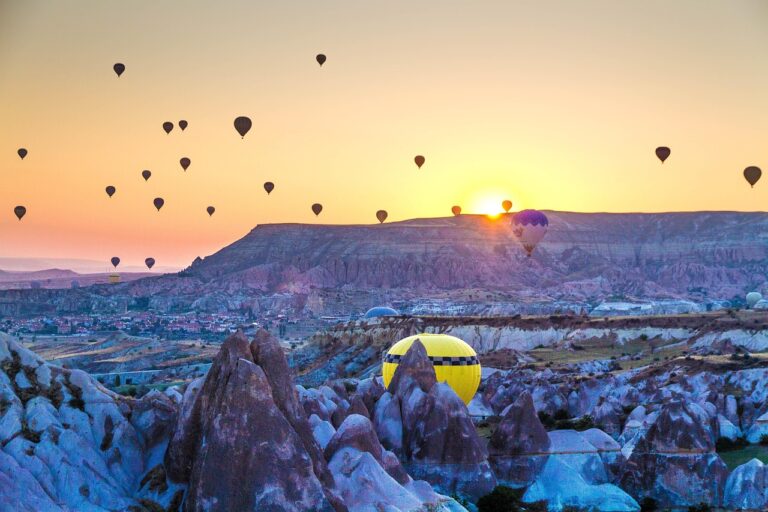
Ihlara Valley: Turkey’s Natural Wonder
Ihlara Valley is one of Turkey's most striking natural wonders, a deep green canyon hidden in the volcanic steppe south of Cappadocia.
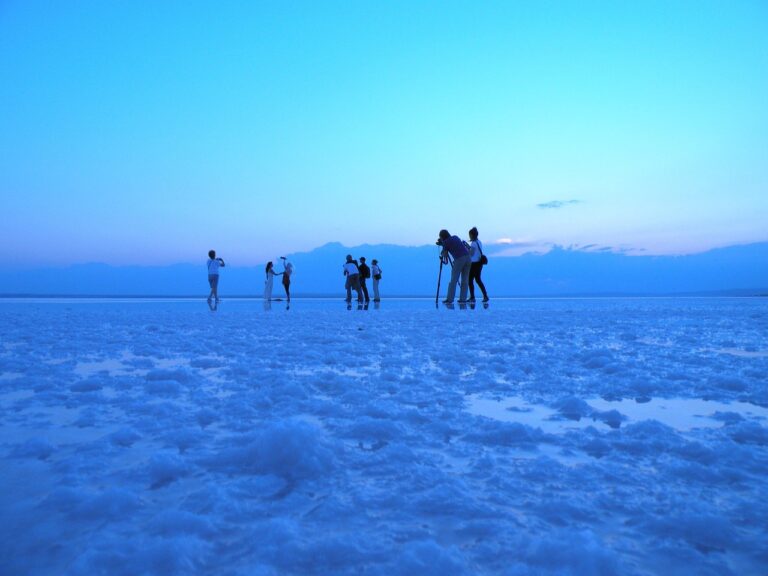
Salt Lake (Tuz Golu): Turkey’s Natural Wonder
Tuz Golu, Turkey's Salt Lake, is a natural wonder unlike anything else in the country.
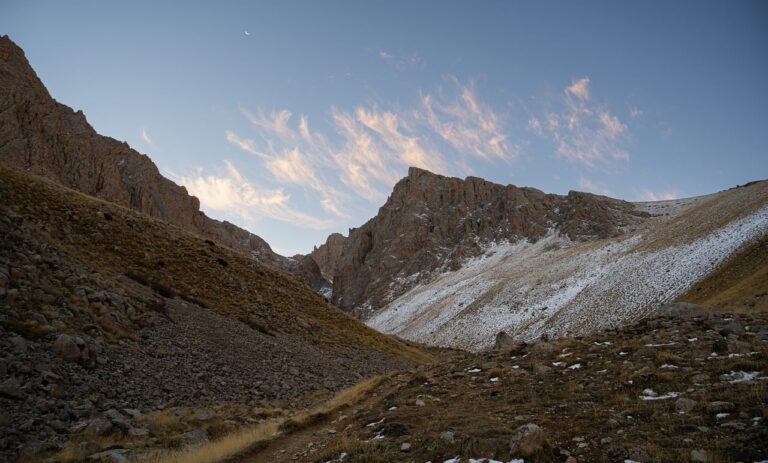
Best Hiking Trails Around Uzungol Lake
Uzungol is famous for its beauty, but the best way to know it is on foot.