Kalkan in winter is the town at its quietest and its most authentic, and the visitors who brave the off-season find the place the summer crowds never see. The beaches empty, the restaurants close their shutters, and the town settles into the local rhythm; but the weather stays mild by the northern standards, the prices drop, and the coast takes on the dramatic beauty. This guide covers what to expect from the Kalkan winter.
The Winter Weather
The winter weather of Kalkan is the mild one by the standards of the north, and the Mediterranean climate keeps the cold at bay. The daytime temperatures hover around the mid-teens in the Celsius through the winter months, with the nights dropping to the single digits; the rain comes in the showers and the storms, and the sun breaks through between them; and the sea stays too cool for the swimming, though the hardy few still take the dip. The winter days are the short ones, and the evenings are the cool ones, but the snow never comes to the coast.
The practical note: the winter wardrobe of Kalkan means the layers, the waterproof jacket, and the warm evenings; the sun still shines for the winter days, and the sunglasses stay useful; and the weather is the changeable one, so the plans stay flexible.
The Quiet Town
The winter Kalkan is the quiet town, and the change from the summer is the dramatic one. The hotels and the restaurants close for the season, the boat trips stop running, and the harbor holds only the working fishing boats; the streets that filled with the visitors in the summer belong to the locals and the few winter residents. The pace is the slow one, the conversations happen in the Turkish, and the town returns to its everyday self. The winter visitor gets the authentic Kalkan, the town as it lives through the year.
The practical note: the winter Kalkan is not the place for the full holiday services, and the visitor should check what stays open; but the open places welcome the winter guests, and the locals are the friendly ones.

What Stays Open
The winter season thins the services, and the visitor plans around what remains. The number of the hotels stays open through the winter, often at the reduced rates; a handful of the restaurants and the cafés serve the locals and the winter residents, with the seasonal menus; the shops of the old town close their shutters for the most part; and the banks, the pharmacies, and the essentials stay open for the town itself. The winter visitor finds the basics, and the choices concentrate in the small number of the places that stay open.
The practical note: the winter Kalkan is the self-sufficient one for the locals, and the visitor who asks around finds the open restaurants and the bakeries; the reduced choice is the trade-off for the quiet and the prices.
The Winter Prices
The winter is the cheapest season of Kalkan, and the prices drop across the board. The hotel rates fall to the fraction of the summer prices, and the winter specials and the long-stay rates make the accommodation the bargain; the restaurants charge the local prices, and the meals cost less than the summer menus; and the flights to the region drop with the demand. The winter visitor gets the same town at the dramatically lower cost, and the value is the best of the year.
The practical note: the winter Kalkan suits the budget travelers who can choose the timing, and the long stays give the best rates; the trade-off is the weather and the closed services, and the value balances the equation.

The Winter Beauty
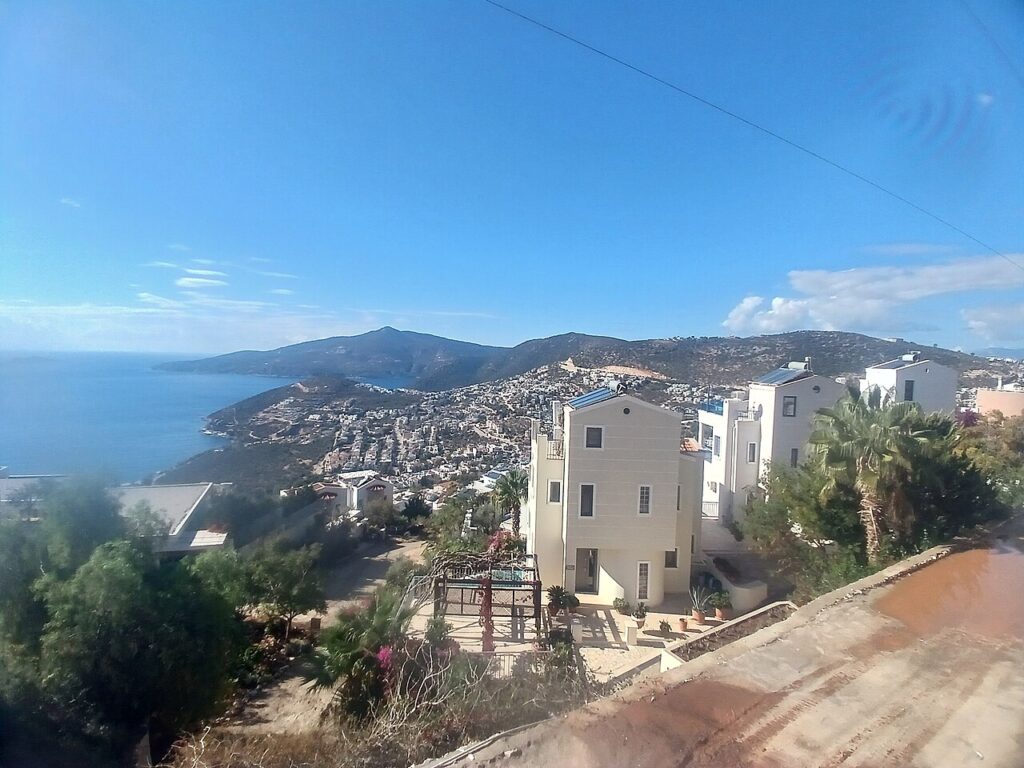
The winter brings the different beauty to the coast, and the landscape is the striking one. The hills above Kalkan turn the green with the winter rains, and the wildflowers begin to appear by the late winter; the sea turns the deep blue under the winter light, and the storms roll in with the dramatic clouds; and the snow caps the mountains of the region, visible from the town on the clear days. The winter light is the photographer’s light, the low and the golden one, and the coast without the crowds photographs beautifully.
The Winter Activities
The winter visitor finds the activities of the region open, and the cold months suit the exploring. The ancient sites of Xanthos, Letoon, Tlos, and Patara stay open through the winter, and the mild days make the walking the pleasant one; the Saklıkent Gorge and the mountain villages of the hinterland give the day trips, with the village life at its most authentic; and the Lycian Way sections are the empty ones, with the clear air and the views. The winter is the season for the sightseeing and the walking, and the region’s history is the year-round one.
The Village Life
The winter reveals the village life of the region, and the trips into the hinterland give the authentic Turkey. The mountain villages behind Kalkan live through the winter at their own pace, with the wood stoves, the village tea houses, and the slow routines; the farmers tend the olive groves and the greenhouses, and the harvests of the region continue through the season; and the village breakfasts and the local hospitality warm the cold days. The winter visitor who ventures inland sees the life that the summer tourism obscures.
The Food of the Winter
The winter table of the region is the warming one, and the local food comes into its own. The stews and the soups fill the menus — the lentil soup, the bean dishes, the meat stews — and the wood-fired ovens produce the breads and the pides; the fresh greens of the winter, the wild herbs, and the citrus of the region — the oranges and the lemons of the coast — appear on the tables; and the çay and the Turkish coffee warm the hands. The winter food of Kalkan is the hearty, the local one, and the open restaurants serve it well.

The Practical Notes for the Winter
The practical notes for the winter visit: the layers and the waterproofs come along, and the evenings are the cool ones; the driving in the region is the easy one, though the mountain roads can ice in the cold snaps; the reduced services mean the planning ahead, and the checking of the opening hours; and the winter sun is still the real one, so the sunscreen stays in the bag. The winter Kalkan is the manageable one for the prepared visitor, and the rewards are the quiet, the prices, and the beauty.
The Winter Stay in KalkannnThe winter stay in Kalkan suits the traveler who wants the long, the quiet break, and the off-season rewards the longer visits. The winter months bring the empty town and the local pace, and the long stays give the time to see the region properly; the ancient sites, the villages, and the coast can be explored without the crowds, and the prices of the long stays drop with the season; and the winter residents of the town — the foreigners and the returning visitors — give the small, the social community. The winter stay in Kalkan is the different experience, and the longer visits unlock the region in the quiet.n
The Winter EssentialsnnThe winter essentials of Kalkan are the simple ones, and the packing covers the season. The waterproof jacket and the layers come first, and the warm evenings need the sweaters; the comfortable shoes serve the walks and the sites; and the umbrella or the rain jacket handles the showers. The winter visitor of Kalkan packs for the changeable days, and the essentials of the season are the light ones. The winter of the coast stays the mild one, and the packing stays the manageable one.n
The Takeaway
Kalkan in winter is the town stripped back to its authentic self: the quiet harbor, the mild Mediterranean days, the local restaurants, and the prices of the off-season. The beaches and the boat trips close for the year, but the ancient sites, the mountain villages, and the winter beauty of the coast remain. The winter visitor trades the summer services for the peace and the value, and the trade is the good one.
Frequently asked questions
Is Kalkan worth visiting in winter?
Yes — for the mild weather, the low prices, the empty sights, and the authentic local life.
What is the weather like in Kalkan in winter?
Mild by the northern standards, with the daytime highs around the mid-teens and the rain showers between the sunny spells.
Are the restaurants open in Kalkan in winter?
A handful stay open for the locals and the winter residents, with the reduced choice and the local prices.
Can I swim in Kalkan in winter?
The sea is too cool for the comfortable swimming, though the hardy locals still take the dips.
What is there to do in Kalkan in winter?
The ancient sites, the day trips into the mountains, the Lycian Way walks, and the quiet enjoyment of the town itself.

All Over Information
The All Over Information editorial team researches and writes practical English-language guides to Turkey. Facts are checked against official and local sources before publication, prices are published as dated ranges rather than quotes, and guides are revised when things change. We accept no sponsored posts, paid placements or paid links.
More guides like this
A First-Timer’s Guide to Kalkan
Kalkan is the elegant harbor town of the Turkish Mediterranean, and it surprises the first-time visitor with its whitewashed houses, its bougainvillea-covered…
Shopping Guide: What to Buy in Kalkan
The shopping of Kalkan is the charming, the atmospheric one, and the lanes of the old town hide the shops full of…

Photography Spots in Kalkan You Can’t Miss
Kalkan is the photographer's town, and the whitewashed houses, the turquoise bay, the bougainvillea-covered lanes, and the dramatic sunsets give the endless…
Best Time of Year to Visit Kalkan
The timing of the Kalkan visit shapes the whole experience, and the seasons of the Mediterranean town each bring their own character.
Kalkan on a Budget: Money-Saving Travel Tips
Kalkan has the reputation of the upmarket town, but the elegant coast is still the reachable one for the budget traveler who…
Top 10 Things to Do in Kalkan
Kalkan is the small town with the long list of the experiences, and the top ten activities of the area cover the…