Konya does not have a nightlife in the sense that Istanbul or the coastal resorts do, and that is exactly the point. The city’s evenings are built around tea, conversation, and the slow rituals of faith and family, and the most extraordinary evening experience in Turkey happens here: the sema, the whirling of the dervishes. This guide is for travelers who want to understand Konya’s evenings on their own terms: where to go after dark, what to expect, and how to experience the city’s unique nighttime atmosphere, from the festival lights of December to the long summer evenings in the parks.
A Different Kind of Nightlife
Konya’s evening culture is a lesson in how different the city is from the rest of Turkey’s nightlife. Alcohol is rare, the streets are quiet by eleven, and the social life of the night is built around tea gardens, dessert shops, and the courtyards of the great monuments.
This is not a lack but a character. The evening is the time when Konya’s spiritual and family life comes into focus: families gather in the parks, the faithful walk to the mosques, and the tea gardens fill with conversation that stretches into the night.
Travelers who arrive expecting clubs will be disappointed; travelers who arrive open-minded will find one of the most distinctive nightlife scenes in the country, one that rewards patience and curiosity. The evenings are also the best time to see the city’s architecture: the floodlit facades of the Aziziye Mosque and the Seljuk portals take on a completely different character after dark.
The Sema Ceremony in the Evening
The sema, the whirling ceremony of the Mevlevi dervishes, is the crown jewel of Konya’s evenings, and it is the one nightlife experience that should not be missed. The performance, with its slow rotation, its music, and its profound stillness, is unlike anything else in Turkey.
The evening performances are the most atmospheric, held in halls where the darkness and the music intensify the experience. The dervishes in their white robes, the right hand open to heaven, the left to the earth, create a spectacle that is at once religious, artistic, and deeply moving.
Arrive early, sit quietly, and let the ceremony unfold. It is a night you will remember for the rest of your life, and it is the true heart of Konya after dark. For the best seats, book tickets for the evening performances, which are staged with lighting and staging that amplify the experience, and arrive at least half an hour before the start.
Tea Gardens and Cay Culture
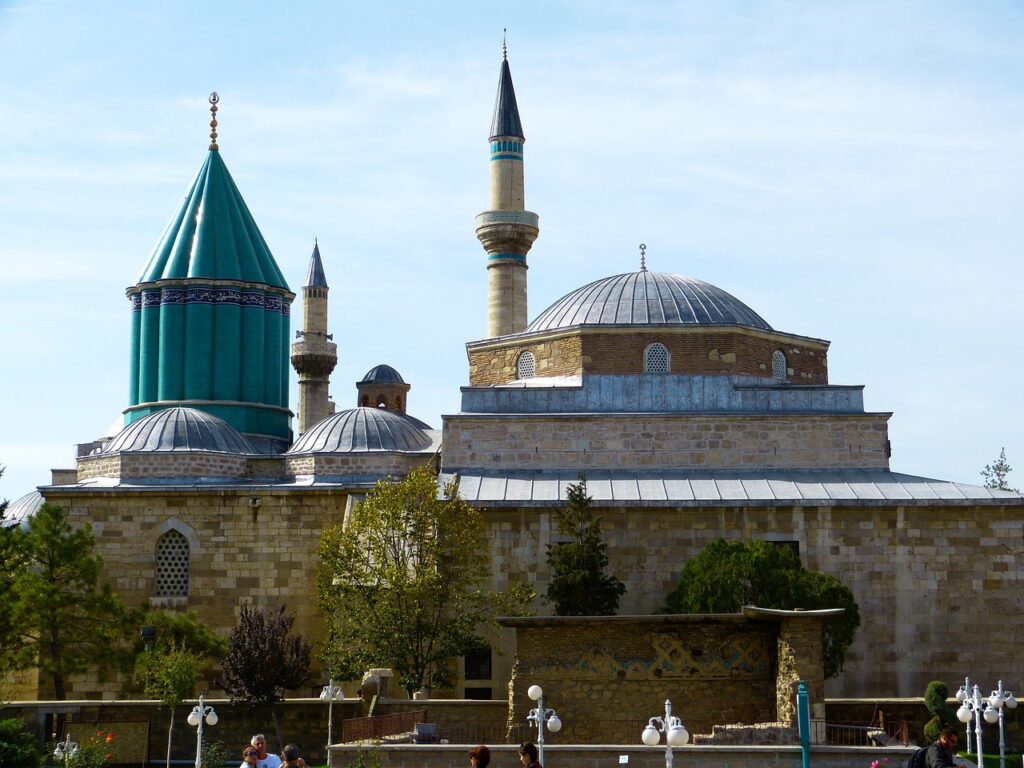
The tea garden is the real nightlife of Konya, and it is an institution the city does better than almost anywhere. The gardens around the Mevlana Museum and Alaeddin Hill stay open into the night, serving glass after glass of strong black tea to families, students, and travelers.
The ritual is simple: find a table, order cay, and settle in. The tea arrives in tulip glasses on a tray, and the conversation, or the quiet, unfolds at its own pace. The gardens are safe, welcoming, and endlessly atmospheric, and a glass of cay costs so little that the whole evening is one of the cheapest nights out in Turkey.
For the full experience, choose a garden with a view of the illuminated Mevlana dome, and let the evening stretch. In Konya, the tea garden is not a stop on the night; it is the night.
The Mevlana Festival Nights
During the Mevlana Festival in December, Konya’s evenings are transformed. The streets around the museum are lit, the courtyards glow, and pilgrims from around the world fill the tea gardens and the ceremony halls for the festival’s program of sema, music, and poetry.
The festival nights are the city at its most intense and most beautiful, with performances running through the evening and the atmosphere of a global pilgrimage. The museum garden, draped in lights, becomes the center of the celebration.
Book ceremony tickets far in advance, and expect the tea gardens to be busier than at any other time of year. For two weeks in December, Konya’s nightlife is the most extraordinary in Turkey.
Coffee and Dessert Cafes
For a different kind of evening, the coffee and dessert cafes of Konya offer warmth, sweetness, and the modern face of the city’s nightlife. The dessert shops serve kunefe, the hot pastry with melted cheese and syrup, and the milk puddings, into the late hours.
The coffee culture has grown in recent years, and stylish cafes in the old city and the modern districts serve excellent coffee to a young, lively crowd. They are the closest thing Konya has to a bar scene, minus the alcohol.
These are the places where the city’s young people meet, and they are a fascinating window into modern Konya: conservative in dress and manners, but fully plugged into the wider world.
The Old City After Dark
The old city of Konya has a particular beauty after dark. The Mevlana Museum is floodlit, the minarets glow against the night sky, and the bazaar lanes, shuttered and quiet, take on a medieval atmosphere.
The evening walk around the museum is the classic Konya night out: the illuminated dome, the rose garden gates, and the pilgrims who keep the streets alive until late. It is free, safe, and quietly unforgettable.
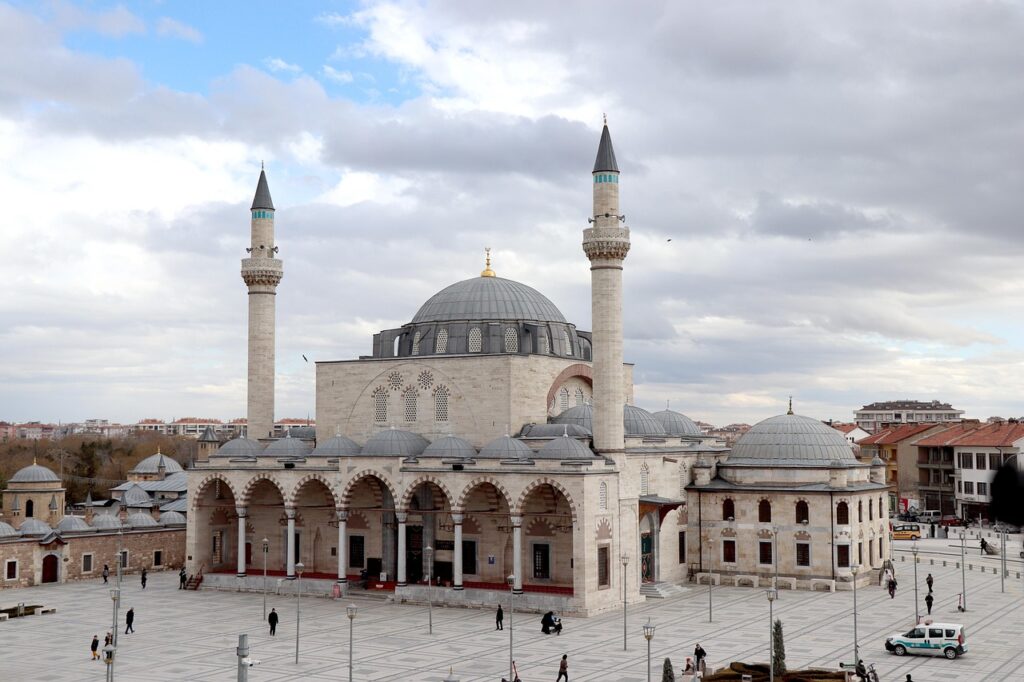
The squares around the mosques, especially the Aziziye, are lively in the evenings, with families promenading and the sweet shops doing brisk business. The old city after dark is a gentle, beautiful experience.

Cultural Performances and Events
Beyond the sema, Konya’s cultural calendar fills the evenings with concerts, poetry readings, and exhibitions, particularly around the festival season in December. The cultural centers of the city host events through the year, and the programs are often international.
In summer, the parks host open-air concerts and family events, and the evenings in the city’s squares bring music and crowds. The university district has a lively student cultural scene, with cafes hosting talks and acoustic music.
Check the local listings during your stay, and ask your hotel what is on. The events are the city’s cultural life made visible, and they are nearly always welcoming to visitors.
Summer Nights: Parks and Walks
In summer, Konya’s nights belong to the parks. The heat of the day breaks in the evening, and the city pours into the green spaces: Alaeddin Hill, the river walkways, and the squares, where families picnic and children play under the lights.
The tea gardens do their best business of the year, and the bici bici carts serve the last customers of the day. The evenings are long, warm, and unhurried, and the atmosphere is among the most pleasant in the city.
Summer is also the season for night walks: the old city is beautifully lit, and the evenings are cool enough to explore on foot. It is the season when Konya’s gentle nightlife is at its fullest.

The Night Walk: A Self-Guided Route
One of the best ways to experience Konya after dark is simply to walk it, and the old city offers a natural route. Begin at the Mevlana Museum, where the floodlit dome and the illuminated garden are at their most beautiful, and walk the quiet streets around it as the pilgrims finish their visits.
Follow the pedestrian lanes toward Alaeddin Hill, where the tea gardens glow in the trees, and end at the hilltop, looking back over the city lights toward the dome. The whole route takes about an hour at a gentle pace, and it is free, safe, and quietly spectacular.
Time the walk for after the evening prayer, when the streets are calm and the light is at its best. It is the perfect way to end a day in Konya, and it requires nothing but comfortable shoes.
Ramadan Nights
If your visit falls during Ramadan, the holy month of fasting, you will see Konya’s nightlife at its most distinctive. The rhythm of the city inverts: the day is quiet, and the nights come alive after the evening meal breaks the fast.
The tea gardens and cafes fill late, the bazaar stays open into the night, and the squares around the mosques become festive meeting places. The atmosphere is warm, social, and full of light, and the hospitality of the city reaches its peak.
Visitors are welcome to share in the rhythms of the month, and many restaurants offer the traditional evening meal. It is a rare chance to see the spiritual capital of Turkey at its most communal.
Practical Notes for Evenings
A few notes will make your evenings in Konya smooth. The city winds down early, and most restaurants stop serving by nine or ten, so plan dinner accordingly, and expect the tea gardens to be the last places open.
Dress modestly in the evenings as in the day, especially around the religious sites and during the festival. The nights are safe, and the streets are well lit, but the usual care with belongings applies in the crowds.
Finally, check the sema schedule in advance and book ahead, and during the December festival, plan evenings around the performances. With a little planning, Konya’s nights become the highlight of the trip.
Frequently asked questions
Does Konya have any nightlife?
Yes, but it is a different kind: tea gardens, dessert cafes, cultural performances, and the sema ceremony, rather than clubs and bars. It is quieter and earlier than Istanbul, and genuinely rewarding for travelers who embrace it.
When is the best time to see the sema?
Evening performances are the most atmospheric, and the Mevlana Festival in December offers the richest program. Check the cultural center’s schedule for your dates and book tickets in advance, especially at festival time.
Is Konya safe at night?
Yes. Konya is one of the safest large cities in Turkey, and the old city is well lit and busy until late. Take the usual precautions in crowds, and you will find the evenings calm, safe, and welcoming.

All Over Information
The All Over Information editorial team researches and writes practical English-language guides to Turkey. Facts are checked against official and local sources before publication, prices are published as dated ranges rather than quotes, and guides are revised when things change. We accept no sponsored posts, paid placements or paid links.
More guides like this

A First-Timer’s Guide to Konya
Most people arrive in Konya with one thing in mind: the Whirling Dervishes and the tomb of Rumi, the 13th-century mystic known…

Shopping Guide: What to Buy in Konya
Shopping in Konya is a journey into the city's identity.

Konya Airport and Transport Guide
Getting around Konya is easy, and understanding the transport before you arrive saves time and confusion.

A Foodie’s Guide to Konya
Konya does not market itself as a food city, which is precisely why eating there feels like a discovery.
Where to Stay in Konya: Neighborhood Guide
Konya is not a city you need to study before booking a hotel, but a few decisions matter.

Photography Spots in Konya You Can’t Miss
Konya is a photographer's city, though it takes a moment to see it.