Few souvenirs taste as good as a skill. A cooking class in Turkey takes you behind the menu, into the market, and into the heart of the culture, because food here is how people welcome you. Classes are available across the country, from Istanbul‘s historic kitchens to village farmhouses, and they suit every level of cook. This guide explains what to expect, how to choose a class that fits your trip, and what you will actually take home with you.
Why Take a Cooking Class in Turkey
A cooking class is the fastest route into Turkish hospitality. You will meet cooks who learned from mothers and grandmothers, visit markets where the ingredients are chosen by hand, and learn dishes that carry centuries of history. The class is also a social event, shared with fellow travelers and finished with a meal you helped create.
The practical value is real too. After a class, menus across Turkey open up: you will recognize the dishes, understand how they are built, and eat with new attention. The techniques, from rolling borek to seasoning a kebab, are portable skills you will use at home for years.
For many visitors, the class becomes the most personal memory of the trip. You leave with recipes, photographs, and often an invitation to return. No museum ticket gives you that, and no souvenir shop sells the confidence a good class provides.
What a Typical Class Looks Like
Most Turkish cooking classes follow a similar shape. The morning begins with a market visit, where the instructor explains how to choose vegetables, spices, and meats, and you shop for the day’s menu. The walk through the bazaar is itself a cultural tour, full of tastes and stories.
Back in the kitchen, the class builds a full menu: meze, a main dish, and a dessert, with everyone working at their own station. Instructors demonstrate each step, and the atmosphere is patient and hands-on. You cook, taste, adjust, and learn the little tricks that make the food taste right.
The class ends around the table where you eat what you made, usually with tea and conversation. The whole experience runs three to five hours, and the relaxed pace is part of the lesson. You leave full, tired in the pleasant way, and armed with recipes.

Learning the Classics: Meze and Kebab
The classic Turkish class teaches the food everyone wants to recreate: meze and kebab. The meze lesson covers the small plates that open every Turkish meal, from eggplant puree to stuffed vine leaves, and teaches the logic of balance and freshness that makes the spread work.
The kebab lesson goes beyond the grill. You will learn how the meat is seasoned, how it is skewered, and how the fire is managed, because the Turkish kebab is as much about patience as about flame. Many classes also cover the breads and salads that complete the meal, so you leave with a full menu.
What surprises most visitors is how accessible the techniques are. The dishes look elaborate, but they are built from simple steps and good ingredients. A good class removes the mystery and shows you that Turkish cooking is logical, forgiving, and very hard to ruin when you follow its rhythms.
Regional Specialties: Where the Classes Vary
Cooking classes change with the region, which is half their charm. In Istanbul, the classes lean on the imperial kitchen: refined Ottoman dishes, elegant meze, and the city’s famous street foods. In the Aegean, the emphasis shifts to olive oil, herbs, and the vegetable cooking of the coast.
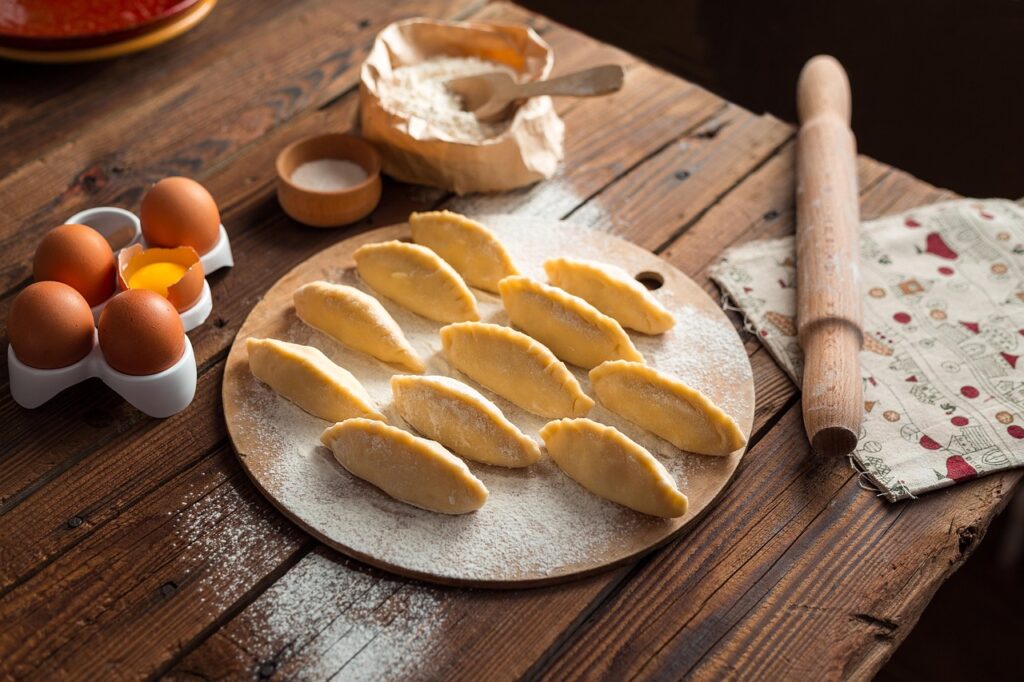
The southeast offers classes built around kebab craft, baklava, and the region’s spice-rich cooking, often in atmospheric old houses. The central Anatolian classes teach dough: mantı dumplings, pastries, and the patient craft of the rolling pin. The Mediterranean coast adds seafood and garden vegetables to its lessons.
Choosing a class by region means choosing a cuisine by region. The same traveler can take a meze class in Istanbul, a village breakfast class in the Aegean, and a baklava workshop in the southeast, and each one teaches something the others cannot. Region is the first question to ask when choosing.

Market Visits Before the Stove
The market visit is the hidden jewel of the Turkish cooking class. Walking through a bazaar with a cook who knows every stall turns shopping into education: how to smell a melon, how to judge eggplant, how to choose the morning’s fish. The market is where Turkish food begins.
Instructors use the visit to explain seasonality and sourcing. You will learn that the best dishes are built from what is fresh that day, and that the Turkish kitchen follows the calendar rather than the recipe. The spices section, the cheese stalls, and the olive counters each get their moment of attention.
The visit also changes how you shop for the rest of your trip. After one guided walk, markets stop being overwhelming and become readable. You will buy better fruit, recognize the good cheese, and understand why the locals shop where they do, a skill that pays off daily.
The Masters: Who Teaches
The teachers are the soul of the Turkish cooking class. Many are home cooks who learned from their mothers, women who cooked professionally for years and now share the family craft with travelers. Their knowledge is practical, personal, and full of the small decisions that no recipe book records.
Others are professional chefs who trained in restaurants and bring technique, plating, and a wider regional repertoire. The best classes combine both voices: the chef explains the method while the home cook adds the family memory. The conversation across the kitchen counter is often the best part of the day.
The common thread is generosity. Turkish cooks teach by feeding, and the classes are full of tastes, extra helpings, and encouragement. Do not be surprised if the instructor corrects your technique with a laugh and a story, or sends you home with something extra wrapped for the road.

Hands-On vs. Demonstration Classes
Cooking classes come in two styles, and knowing the difference matters. Hands-on classes put you at your own station with your own ingredients, cooking every dish under supervision. They take longer and give you the deepest learning, and they suit anyone who wants to repeat the recipes at home.
Demonstration classes are show-and-tell: the instructor cooks while you watch, taste, and ask questions. They are shorter, less demanding, and still teach a great deal, especially for complex dishes like layered borek or regional pastries. Many travelers take a hands-on class for one dish and a demonstration for another.
Some classes mix both, cooking together for the menu’s easier parts and watching for the harder ones. The choice depends on your energy, your schedule, and your goal. If you want skills you will use again, go hands-on; if you want a delicious afternoon with stories, a demonstration delivers.
Fitting a Class Into Your Trip
A cooking class fits best in the middle of a trip, once the jet lag has passed and before the final rush. The morning market version pairs perfectly with a free day, and the evening class version makes a memorable dinner plan. Booking ahead is wise in high season, when the best classes fill early.
The practical details are simple. Most classes are small, run in English, and supply everything from aprons to ingredients. You need comfortable shoes for the market walk and an empty stomach for the tasting. Dietary needs are usually easy to accommodate with notice, and the kitchens are used to guests of every level.
The class also works as a weather-proof plan: it happens indoors, rain or shine, and it fills a few hours without competing with your main sightseeing. Tucked into a travel week, it becomes a calm, tasty anchor around which the rest of the trip can flow.
What You Take Home
The obvious takeaway is the recipes. Most classes send you home with a printed or digital set of the dishes you cooked, written in a way you can actually follow. The recipes are the souvenir that keeps working, month after month, in your own kitchen.
The less obvious takeaways matter more. You take home the confidence to order in Turkish restaurants, the eye for fresh produce in any market, and the knowledge of how a real Turkish meal is assembled. You take home the stories the cooks told, and the taste memories that no photograph captures.
You may also take home something physical: many classes include a small gift, a spice blend, an apron, or the dish you cooked, packed for travel. Between the recipes, the skills, and the memory of the table you shared, a cooking class is the rare souvenir that improves with age.
Choosing the Right Class for You
Choosing well comes down to three questions. First, what do you want to learn: meze, kebab, baklava, breakfast, or the full menu? Second, where are you going: the class should match the region’s cuisine to give you the authentic local craft. Third, how hands-on do you want to be?
Then read the small print. Check the class size, the duration, whether the market visit is included, and whether the menu suits your dietary needs. Reviews from other travelers are the best guide to the atmosphere, and a class with a few strong reviews beats a generic one with many.
Finally, trust the match between teacher and traveler. The best classes are the ones where the cook enjoys teaching as much as you enjoy learning. If the description makes you hungry and the reviews mention laughter, that is the class to book.
Frequently asked questions
Do I need cooking experience to join a class?
No. Turkish cooking classes welcome every level, from first-timers to confident home cooks. The instructors demonstrate each step, and the small-group format means you get individual attention. The dishes are designed to be approachable, and the atmosphere is patient, so beginners leave with genuine skills and good food.
How long does a typical cooking class last?
Most classes run three to five hours, including the market visit, the cooking, and the meal you share at the end. Morning classes start with shopping and finish with lunch; evening versions begin with preparation and end with dinner. The pace is unhurried, and some intensive classes, especially for pastries, run longer.
What should I bring and what is provided?
The class provides the kitchen, ingredients, aprons, and equipment, so you bring only comfortable shoes for the market walk and an empty stomach. Dietary needs can usually be arranged with notice. The kitchen takes care of the rest, and you leave with recipes, often photographs, and frequently a small gift.

All Over Information
The All Over Information editorial team researches and writes practical English-language guides to Turkey. Facts are checked against official and local sources before publication, prices are published as dated ranges rather than quotes, and guides are revised when things change. We accept no sponsored posts, paid placements or paid links.
More guides like this

Kumpir (Stuffed Baked Potato): A Taste of Turkish Culture
Kumpir is more than a stuffed baked potato; it is the taste of a particular place and moment, the Bosphorus breeze, the…

The Ultimate Guide to Kazandibi Dessert
Kazandibi is one of the most beloved sweets of the Turkish table: a milk pudding with a caramelized, slightly charred bottom that…

Turkish Soups (Corba): A Taste of Turkish Culture
Ask any Turk to name the food of home, and the answer will often be a soup.

Where to Find the Best Stuffed Grape Leaves (Dolma) in Turkey
Dolma is the kind of dish that is everywhere and nowhere at once: it appears on the tables of meze houses and…
The Ultimate Guide to Kumpir (Stuffed Baked Potato)
Kumpir is Turkey's answer to the loaded baked potato, and it is one of the country's most beloved street foods.

Turkey’s Olive Oil Production Regions
Anatolia has been growing olives for thousands of years, and Turkey is today one of the world's largest producers of olive oil.