Turkish tourism is a study in contrasts. It is one of the world’s most visited destinations, with extraordinary natural and cultural assets, yet it is also an industry that lives with volatility: currency swings, geopolitical sensitivity, and a pronounced seasonality that shapes every business decision. For you, understanding both sides of the coin is essential before you invest, work, or build a career here. This guide offers a balanced analysis of where the opportunities genuinely lie and which challenges you should plan for, so you can judge the sector on evidence rather than on headlines.
The Sector at a Glance
Turkey’s tourism sector is built on assets that few countries can match: a long Mediterranean and Aegean coastline, a rich history that spans multiple empires, world-famous cuisine, and cities that blend East and West. These assets attract tens of millions of international visitors each year, making tourism one of the country’s largest sources of foreign currency and employment.
The sector is also deeply woven into the domestic economy. Beyond hotels and restaurants, it supports construction, transport, agriculture, and retail, and it creates jobs in regions that have few other industries. That economic weight is why governments of every stripe have supported tourism with promotion, infrastructure, and incentives.
The flip side is concentration. A large share of arrivals is seasonal and depends on a handful of source markets and destinations. When those markets slow or those regions are disrupted, the whole industry feels it quickly. Understanding this structure is the first step to a realistic view of the opportunities and the risks.
The Economic Fundamentals
The fundamentals of demand are genuinely strong. Turkey’s location puts it within a short flight of hundreds of millions of potential visitors in Europe, the Middle East, and Central Asia, and the country has invested heavily in airports and transport links that make access easy. The visitor base is diverse, which spreads the risk across economies and regions.
Supply-side fundamentals are solid too. The hospitality industry has matured, with international-standard hotels, a strong food culture, and a large pool of trained staff. The quality of new developments has risen steadily, and the market rewards operators who maintain standards rather than those who compete on price alone.
The weak spot in the fundamentals is macroeconomic. Inflation has at times run very high, eroding real incomes and pushing up operating costs, and the lira’s volatility complicates planning for anyone with foreign revenues or costs. These pressures do not destroy the industry’s appeal, but they do mean that margins depend on careful management of costs and currency exposure.

The Main Opportunities
For investors and operators, the clearest opportunities are in the segments that are growing faster than the market as a whole. Experience-led tourism, from gastronomy tours to adventure sports, is expanding as visitors seek activities rather than just sun and sea. Health and wellness tourism, built on thermal springs and spa culture, offers higher margins and a longer season.
The city-break and business travel segments around Istanbul continue to grow, supported by the city’s position as a regional hub for trade and events. Cruise tourism, cultural tourism in the inland regions, and the premium resort segment all offer room for differentiated products that the mass market does not provide.
There is also opportunity in the gaps. Many destinations remain underdeveloped relative to their potential, and areas that currently serve domestic visitors can be upgraded for international markets. For entrepreneurs who can identify these gaps early, the reward is entry at a sensible valuation before the crowd arrives.
Where Growth Is Concentrated
Growth is not uniform across the country. The Mediterranean coast, anchored by Antalya, remains the volume leader, with charter flights from across Europe feeding a mature resort market. The Aegean coast, from Kusadasi to Bodrum and beyond, serves a more upscale and mixed clientele, with strong demand for boutique accommodation and marine tourism.
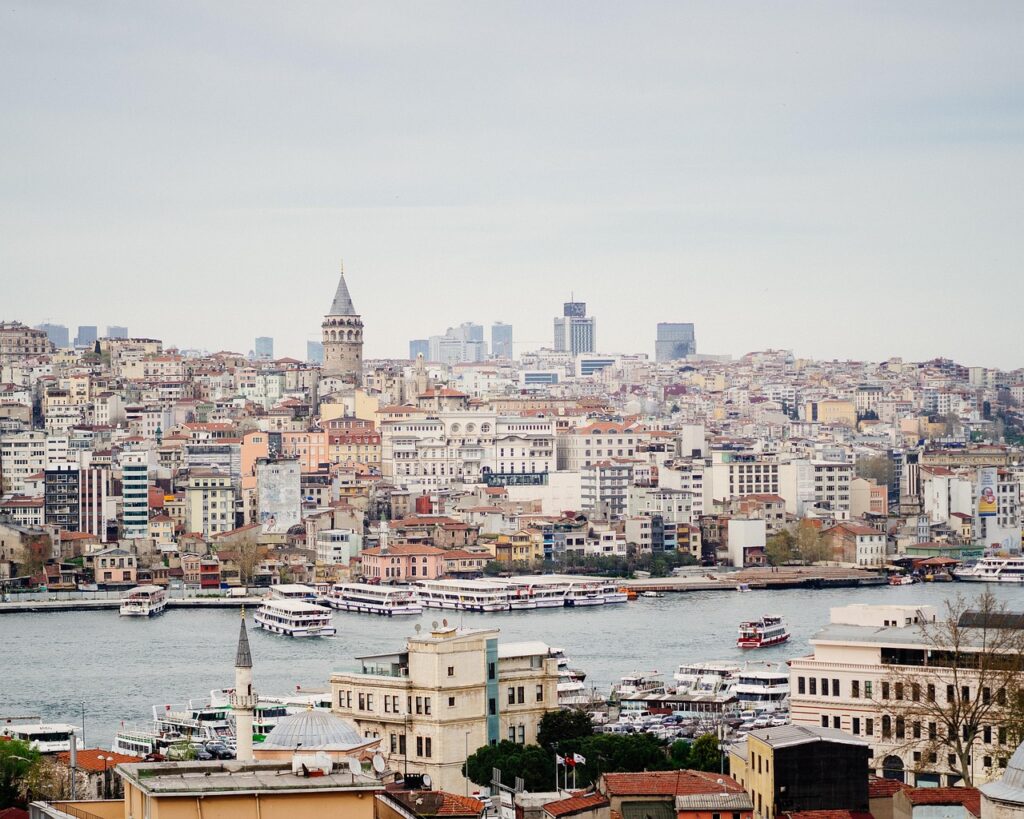
Istanbul is a different market altogether: year-round, increasingly driven by city breaks, business travel, and cruise passengers, and less exposed to the summer seasonality that defines the coasts. Cappadocia has grown into a global icon of experience tourism, and its balloon and cave-hotel economy now operates nearly year-round.
The less visible growth is in the second-tier regions: the Black Sea coast, the inland cultural cities, and the eastern provinces, where tourism is still developing and competition is thinner. These areas carry more execution risk, but they also offer the kind of early-mover returns that the mature destinations no longer provide.
The Structural Challenges
The first structural challenge is seasonality. In the coastal destinations, the earning window is short, and the same asset must be staffed, maintained, and financed through the winter. This pattern drives the economics of every coastal business, from hotels to restaurants, and it punishes operators who do not plan for the low season.
The second challenge is the industry’s sensitivity to external shocks. Security concerns, regional conflicts, and health emergencies have all caused sharp, sudden drops in arrivals in the past, and each time the industry has needed years to recover. No operator can eliminate this risk, but diversification across markets and segments reduces the exposure.
The third challenge is the competitive structure. The mass-market segments operate on thin margins and are sensitive to price competition from other Mediterranean destinations. Differentiating on quality, service, and experience is the standard answer, but it requires consistent investment and discipline that not every operator maintains.
The Macroeconomic Pressures
The macroeconomic environment is the backdrop to every tourism decision in Turkey. High inflation raises costs for food, energy, and labor faster than operators can always pass them on, and the lira’s volatility creates uncertainty for anyone with revenues or costs in more than one currency.
The exchange rate cuts both ways. A weaker lira makes Turkey more affordable for foreign visitors and can boost arrivals, and it reduces the dollar or euro cost of Turkish services. But it also raises the cost of imported goods, energy, and financing, and it erodes the real incomes of domestic travelers who make up a significant share of demand.
For businesses, the practical response is discipline: contract hedging where available, pricing reviews that keep pace with costs, and financial buffers that absorb shocks. The operators who thrive are not the ones who predict the exchange rate; they are the ones who structure their businesses so that a range of currency outcomes is survivable.

Regulatory Hurdles
The regulatory environment is workable but demanding. Licensing for accommodation, food service, and tours involves multiple authorities, and the paperwork, translations, and inspections can consume more time than newcomers expect. The rules also change, so operators must stay informed of revisions to taxes, labor rules, and sector-specific standards.
Employment regulation is a particular area of attention. Hiring and firing follow formal procedures, severance obligations exist, and social security contributions are substantial, so labor costs are higher than gross salaries suggest. Operators who plan their staffing carefully, including seasonal hiring, navigate this better than those who improvise.
Tax compliance is another hurdle that deserves respect. Corporate tax, value-added tax, and withholding obligations require accurate records and timely filings, and the authorities have become more rigorous in enforcement. The positive side is that professional accountants and consultants handle all of this routinely, and their fees are modest relative to the risk they remove.
The Competitive Landscape
The competitive landscape in Turkish tourism is intense at the top and fragmented at the bottom. The major coastal resorts compete on scale, distribution, and cost, with international hotel brands and large domestic groups setting the standard. At the other end, thousands of small family businesses compete for the same customers, often on price.
Between the two, there is a growing middle: boutique hotels, specialized tour operators, and experience businesses that compete on distinctiveness. This middle is where differentiation is most achievable, because customers increasingly choose authenticity and story over standardization, and small operators can deliver both.
For a new entrant, the competitive analysis should focus on your specific niche rather than the industry as a whole. The relevant competitors are the businesses that serve your customer in your destination, and the question is whether you can offer something they do not, whether through service, concept, location, or marketing.

What a Balanced Strategy Looks Like
A balanced strategy in Turkish tourism starts with realistic expectations about seasonality and cash flow. Plan the business on the low season, not the high one, and keep reserves that cover several months of fixed costs. The businesses that fail are usually the ones that planned on perfect summers.
Diversify your revenue streams where possible. A coastal hotel that also hosts weddings, corporate events, and wellness programs smooths its annual curve. A tour operator that serves several source markets reduces its dependence on any single economy. Every stream you add reduces the volatility you must absorb.
Finally, manage the balance sheet conservatively. Moderate leverage, flexible costs, and a financing structure that survives currency weakness give you the time that good operations need to build a reputation. In a cyclical industry, the businesses that can hold on through the down years are the ones that capture the up years.
The Medium-Term Outlook
The medium-term outlook for Turkish tourism is cautiously positive. Demand fundamentals, geographic position, and the quality of the product all support continued growth, and the industry has repeatedly demonstrated its capacity to recover from shocks. The long-run trajectory of arrivals has been upward despite the cycles.
The risks are equally real: macroeconomic instability, geopolitical volatility, and the slow creep of competition from other destinations. The industry’s ability to manage these will depend on investment in quality, diversification of markets, and the health of the broader economy.
For you, the balanced conclusion is this: Turkish tourism offers genuine opportunities for patient, well-prepared participants, and it punishes the unprepared. If you understand the seasons, respect the currency, keep your costs disciplined, and build a product that stands out, the sector can reward you handsomely. If you ignore those realities, the same sector will find you out.
Frequently asked questions
Is Turkish tourism a risky investment?
It carries specific risks, including seasonality, currency volatility, and sensitivity to regional events. However, the demand base is large and diverse, and the industry has a strong record of recovery. Risk is manageable with conservative planning, diversification, and adequate reserves.
Which segment of tourism has the best growth potential?
Experience-led, wellness, and cultural tourism are growing faster than traditional sun-and-sea holidays, and they command higher margins. Boutique accommodation and digital services that serve international travelers also offer strong potential for well-differentiated entrants.
How does inflation affect tourism businesses in Turkey?
Inflation raises operating costs, from food to energy to wages, faster than prices can always be adjusted. Businesses respond by reviewing pricing regularly, controlling costs, and maintaining financial buffers. Foreign operators also manage exposure between lira costs and foreign currency revenues.

All Over Information
The All Over Information editorial team researches and writes practical English-language guides to Turkey. Facts are checked against official and local sources before publication, prices are published as dated ranges rather than quotes, and guides are revised when things change. We accept no sponsored posts, paid placements or paid links.
More guides like this

Opportunities and Challenges in Turkish Real Estate
Turkish real estate is a market of strong pulls and strong pushes.

Opportunities and Challenges in Turkish the Automotive Industry
If you are exploring business opportunities in Turkey, the automotive industry deserves your close attention.

Turkish Work-Life Balance Compared to the West
Ask a Turkish professional about work-life balance and you will get an answer that surprises many Western visitors. On paper, Turkish working…

How Foreign Entrepreneurs Are Entering Turkey’s Food and Beverage Industry
Food and beverage is one of the friendliest sectors in Turkey for a foreign entrepreneur, because success depends on taste, quality, and…

Opportunities and Challenges in Turkish Agriculture
Turkish agriculture is a sector of genuine abundance and genuine difficulty.

Opportunities and Challenges in Turkish Renewable Energy
Turkey's renewable energy market has grown from a niche interest into one of the most active investment arenas in the region, and…