Turkey surprises many visitors with the depth and complexity of its religious life. The country is predominantly Muslim, yet its landscape is dotted with ancient churches and synagogues, and its history is a long story of faiths living side by side. For travelers, understanding this diversity enriches every visit, from the monuments you see to the conversations you share. This guide explains what you will actually encounter, what it means, and how to move through the religious life of Turkey with respect and confidence.
What You Will Actually Encounter
On a typical visit, you will see the Islamic character of Turkey everywhere: the minarets of mosques, the call to prayer, the headscarves and prayer beads, and the rhythm of life around the five daily prayers. This is the country’s religious mainstream.
But look more closely and you will find far more. Historic churches operate in many cities, synagogues stand in the old quarters of Istanbul, and the monuments of vanished communities, ruined basilicas, rock chapels, and ancient shrines, mark the landscape from the Aegean coast to the eastern mountains. The religious story of Turkey is layered, not simple, and every layer is worth exploring.
The key for visitors is to expect both: a deeply Islamic society with a long memory of other faiths, and a present in which those other faiths still have a living, if small, presence.
Islam in Everyday Life
Islam shapes Turkish daily life in countless visible ways. The call to prayer sounds five times a day, mosques are part of every neighborhood’s landscape, and the great festivals of the religious year are national holidays.
Ramadan, the month of fasting, changes the rhythm of the country, with iftar meals at sunset and a quieter pace by day. The two great festivals, marking the end of fasting and the sacrifice of Abraham, are times of family gathering, charity, and celebration.
Understanding these rhythms helps you travel well. Restaurants adjust their hours during Ramadan, and knowing the festival dates helps you appreciate the country at its most festive.

Sunni and Alevi: A Key Distinction
If you spend time in Turkey, you will hear about a distinction within Islam that is essential to understanding the country: the difference between Sunnis and Alevis. Most Turkish Muslims are Sunni.
The Alevi community is a substantial minority with its own tradition, which combines elements of Islam with Anatolian folk practices and emphasizes the spiritual authority of the Prophet’s family. Alevis worship in houses of gathering rather than mosques.
This internal diversity is a reminder that Islam in Turkey is not monolithic. The relationship between Sunni and Alevi communities, and their different relationships with the state, is one of the most important topics in Turkish society.
The Christian Heritage You Can See
The Christian heritage of Anatolia is among the oldest in the world. The region was a cradle of early Christianity, and its churches, monasteries, and pilgrimage sites draw visitors from every continent.
In Istanbul, you can visit churches that predate the Ottoman conquest, including the great Byzantine monuments that later became mosques. In Cappadocia, entire cities were carved from rock as refuges for early Christian communities.
The living Christian communities of Turkey are small, but they maintain churches, schools, and traditions that reach back many centuries. Their festivals and liturgies continue, and visitors are often welcome at services.

The Jewish Story in Turkey
The Jewish history of Turkey is long and remarkable. Communities existed in Anatolia since antiquity, and their presence is documented in cities across the region.
The most famous chapter began in 1492, when the Ottoman Empire opened its doors to Jews expelled from Spain and Portugal. These Sephardic refugees rebuilt their lives in Ottoman cities, especially Istanbul and Izmir, and their descendants maintained their language, Ladino, and their traditions of music, food, and faith for more than four centuries.
Today, the Jewish community of Turkey is centered in Istanbul, where historic synagogues and neighborhoods preserve the memory of a vibrant past. Visitors can see synagogues in the old quarters of the city, some still in active use.
The Ottoman Legacy of Tolerance
The Ottoman Empire managed its religious diversity through a system known as the millet system, under which each religious community governed its own affairs. This system allowed centuries of coexistence that was remarkable for its time.
Under the millets, Christians and Jews were not equal to Muslims, but they enjoyed autonomy, protection, and a recognized place in society. The great cities of the empire were mosaics of faith, and their buildings still stand together.
This legacy is complicated and contested, praised as tolerance and criticized as hierarchy. But it explains a great deal about the religious geography you will see, and about why so many historic sites of different faiths survive.

Visiting Mosques, Churches, and Synagogues
Visiting religious buildings is one of the great pleasures of travel in Turkey, and the rules are straightforward. Mosques are open to visitors outside prayer times, and modest dress is required.
Churches and synagogues welcome visitors with varying degrees of formality. Some are open freely, others require advance arrangement, and a few, for security reasons, have restricted access. It is always wise to check before you go.
The etiquette is simple: dress modestly, speak softly, turn off your phone, and treat every building with the same reverence you would show a place of worship at home. The people who care for these places, whether imams, priests, or community volunteers, are generally delighted to welcome respectful visitors and to answer their questions.
Dress and Behavior at Holy Sites
The golden rule for religious sites in Turkey is the same as everywhere: respect the space. At mosques, remove your shoes at the entrance, cover your head if you are a woman, and keep your arms and legs covered.
The same modesty is appreciated at churches and synagogues, though the specific rules differ. Photography is often permitted in mosques but restricted elsewhere, and silence is always appropriate.
If you are unsure, watch what others do, or ask a member of the community. Turks are famously hospitable, and a polite question is never resented.
Festivals You Might Witness
The religious year in Turkey is full of observances you may witness as a traveler. The Islamic festivals are the most visible, with their crowds, their sweets, and their family gatherings.
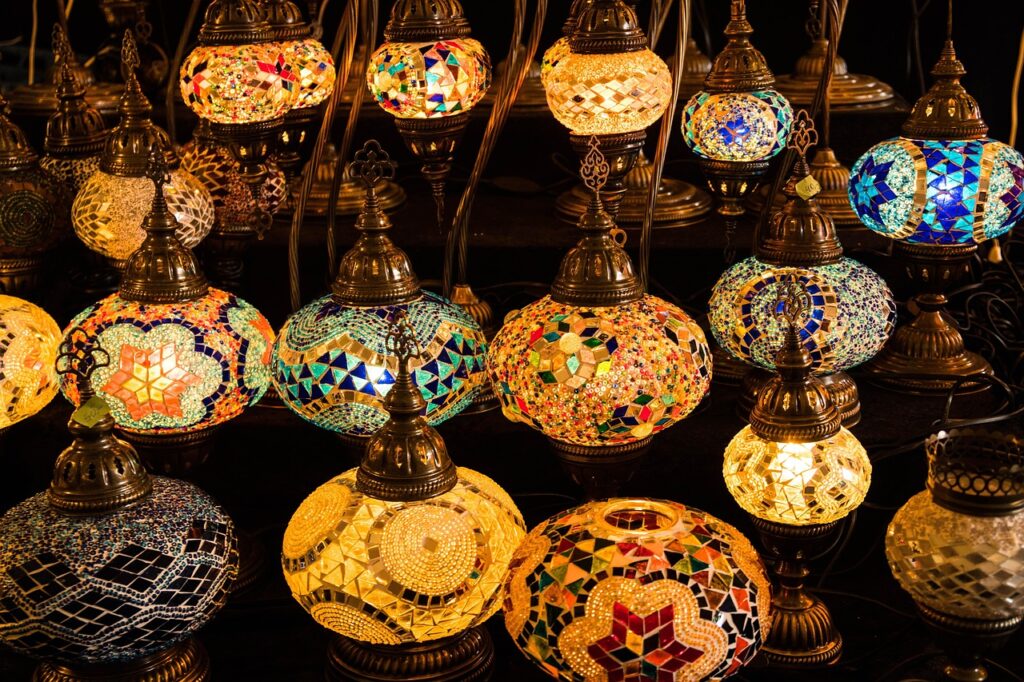
Ramadan brings its own atmosphere, with lanterns, iftar tents, and a special mood in the evenings. The nights of the holy month are among the most beautiful times to be in a Turkish city.
The festivals of the Christian and Jewish communities are quieter, but they mark the year in their churches and synagogues, and their holy days are observed with devotion. Awareness of these calendars enriches any visit.
Asking Questions with Respect
Travelers often have questions about religion in Turkey, and most Turks are happy to answer them. The key is to ask with genuine curiosity and without judgment.
Simple questions about festivals, customs, or the meaning of a building are welcomed. Questions that assume stereotypes, or that presume to judge Turkey by the standards of another culture, will rightly close doors.
Approach religious life as you would any aspect of a foreign culture: with humility, interest, and the understanding that what you see is more complex than any summary can capture.
Sacred Landscapes Beyond the Cities
The religious diversity of Turkey is not confined to the great cities. Across the countryside, sacred landscapes carry the memory of many faiths, and visiting them is one of the deepest experiences the country offers.
In Cappadocia, early Christians carved churches, monasteries, and entire underground cities into the soft volcanic rock, and their frescoes still glow in the cave churches. The region was a center of monastic life for more than a thousand years.
In the southeast, the Syriac Christian tradition survives in ancient monasteries perched on the mountains, while the pilgrimage traditions of other faiths mark wells, springs, and shrines across the land. Each of these places tells a chapter of the long religious story of Anatolia, and each welcomes the respectful traveler.
The State and Religion: A Special Balance
Turkey’s relationship between state and religion is unlike that of most countries, and understanding it helps explain much of what visitors observe. The Republic founded in 1923 was built on a principle of secularism, known in Turkish as laiklik.
This secularism, however, did not mean the separation of religion and state familiar in the West. Instead, the state brought religious institutions under its control, appointing religious officials and managing the great mosques, while keeping religion out of public political life.
The balance has shifted over the decades and remains a subject of intense debate within Turkey. For visitors, the practical result is a society where religion is visible and central in daily life, yet managed within the structures of a modern state, and the interplay is part of what makes Turkey so fascinating.
Frequently asked questions
What is the dominant religion in Turkey?
The overwhelming majority of the population is Muslim, and most Turkish Muslims are Sunni. There is also a substantial Alevi minority with its own distinct tradition. Christianity and Judaism are practiced by small communities, mainly in Istanbul and the southeast, and their ancient heritage is visible across the country.
Can visitors enter mosques and other religious buildings?
Yes, with respect. Mosques are open to visitors outside prayer times; remove your shoes and dress modestly, with women covering their heads. Churches and synagogues have varying policies, and some require advance arrangements. A polite inquiry about visiting is always welcome.
How should I behave during Ramadan?
During Ramadan, Muslims fast from dawn to sunset, and the daily rhythm changes. Be discreet about eating and drinking in public during daylight, especially outside tourist areas. Restaurants may have adjusted hours, and evenings are lively with iftar meals. The festival at the end of the month is a joyful national celebration.

All Over Information
The All Over Information editorial team researches and writes practical English-language guides to Turkey. Facts are checked against official and local sources before publication, prices are published as dated ranges rather than quotes, and guides are revised when things change. We accept no sponsored posts, paid placements or paid links.
More guides like this

Staying Safe During Earthquakes in Turkey
Turkey sits on some of the most seismically active ground on Earth, and for visitors that fact can sound frightening.

How to Greet People Properly in Turkey
Greetings in Turkey are warmer and more elaborate than the quick hellos you may be used to, and getting them right opens…

Understanding the Ottoman Tile and Ceramic Tradition: A Beginner’s Guide
If you have ever stood inside a great Ottoman mosque and felt the walls glow around you, you already know the power…

Turkish Table Manners for Guests
Being invited to a Turkish table is a genuine privilege, and it comes with a set of gentle, meaningful customs.

Turkey’s Olympic and International Sports Achievements
Turkey has a long and proud record in international sport.

Understanding Turkish Social Hierarchies and Etiquette
Turkish society is built on relationships, and those relationships follow clear, gentle rules.