Few chapters of Ottoman history are as charming, and as confusing, as the Tulip Era. It lasted barely a dozen years, it produced no great conquests, and its name sounds like a gardening manual. Yet this short period between 1718 and 1730 gave the Ottoman Empire one of its most famous cultural moments and ended in a dramatic revolt. If you have seen tulips everywhere in Turkey and wondered why, this guide is for you. It explains what the Tulip Era was, who shaped it, why it mattered, and how historians understand it today.
The Tulip Era at a Glance
The Tulip Era, called Lale Devri in Turkish, covers the years from 1718 to 1730, under Sultan Ahmed III. The name comes from the tulip, the flower that obsessed the Ottoman court during these years.
The period began after the Treaty of Passarowitz in 1718, which ended a costly war with the Habsburg Empire. With peace secured, the sultan and his grand vizier turned their energies from war to pleasure, building, and culture.
It was a short age of elegance: gardens, poetry, festivals, and a new curiosity about Europe. It ended violently in 1730 with the Patrona Halil revolt, which toppled the sultan and closed the era.
The Background: A Long and Difficult Century
To understand the Tulip Era, you need to know what came before it. The seventeenth century had been punishing for the Ottomans, full of wars, revolts, and the long siege of Vienna.
The empire lost territory and confidence, and by the early eighteenth century it faced powerful neighbors in Europe. The war with the Habsburgs ended in 1718 with real territorial losses for the Ottomans.
That defeat produced a mood of reflection. Intellectuals and statesmen asked why Europe was advancing, and the answer seemed to be knowledge, science, and innovation. The Tulip Era was, in part, the empire’s response to that question.

The Rise of the Tulip
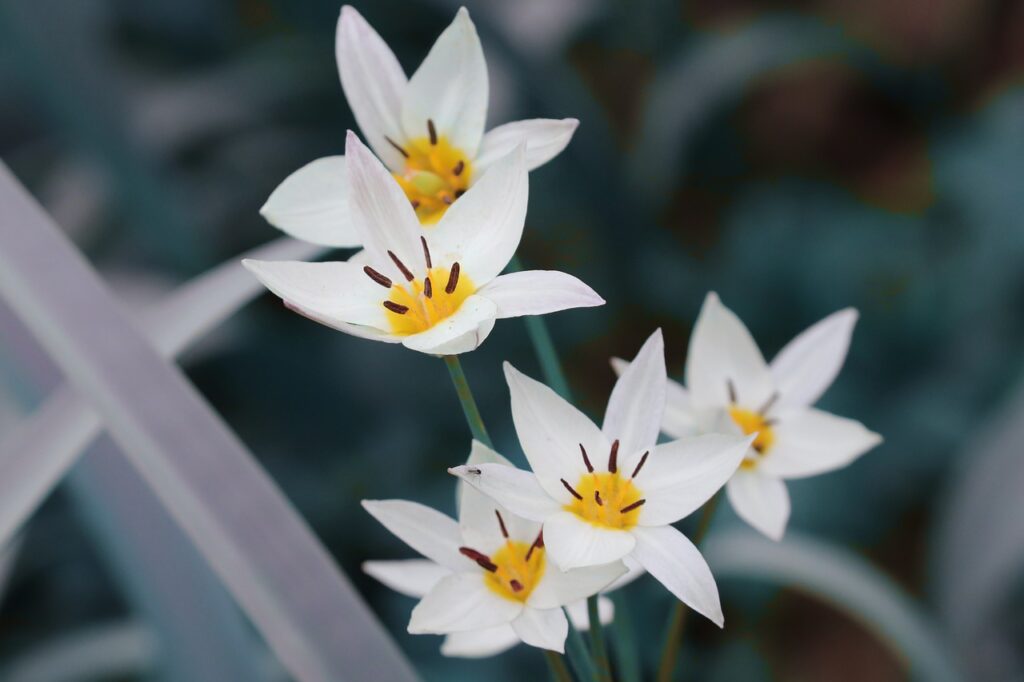
Tulips had been cultivated in Ottoman lands for centuries before the Tulip Era. The flower came originally from Central Asia and was prized in the gardens of the sultans.
What changed in the eighteenth century was scale and obsession. Wealthy Istanbul households competed to grow the rarest varieties, and the flower market became a serious business, with prized bulbs changing hands at enormous prices.
The craze reached the palace itself. Ahmed III and his court embraced the tulip as the symbol of the age, and the flower appeared in art, textiles, and architecture across the capital.
The Court and the Grand Vizier
The true architect of the Tulip Era was the grand vizier Nevsehirli Damat Ibrahim Pasha, son-in-law of the sultan. He managed both the empire and the era’s cultural program.
Under his direction, the court commissioned translations of European and Persian works, supported the first Ottoman printing press, and built palaces and gardens along the Bosphorus and the Golden Horn.
The grand vizier also organized the famous tulip festivals, night-time garden parties illuminated with candles and filled with music. These events were the social highlight of the age and the image that defines the era today.

Art, Poetry, and the Tulip
The Tulip Era was a golden age of Ottoman literature and art. The poet Nedim, whose verses celebrate love, wine, and the city of Istanbul, became the voice of the period.
Calligraphers, painters, and craftsmen all flourished, and the era’s illuminated manuscripts are among the finest of Ottoman bookmaking. Tulips wind through the borders of these books, a visual signature of the age.
The palace also commissioned paintings of its gardens and festivals, giving us vivid images of the era. These works are now treasures of Turkish collections and the best window into the pleasures of the age.
The Tulip Gardens and Celebrations
The gardens were the stage of the Tulip Era. The most famous was Sadabad, a pleasure palace built at the head of the Golden Horn, with cascades, pools, and rows of tulips.
At night, the court held garden festivals in which candles were placed among the flowers and between the shells of turtles that crawled through the beds, lighting the blossoms from below. Music and poetry accompanied the displays.
These celebrations were more than parties. They were statements of Ottoman refinement, designed to show that the empire, at peace, could rival the pleasures of any court in Europe.
Economy and Culture of the Age
The Tulip Era was not only about flowers. It was a period of economic experiment, including an attempt to introduce new taxes and a renewed interest in trade and manufacturing.
Culturally, it opened the Ottomans to Europe in unprecedented ways. Books on geography and science were translated, and the first Ottoman printing press produced works for the public.
The period also saw new building across Istanbul: fountains, libraries, and waterfront palaces. Many of these structures still stand, making the Tulip Era visible in the modern city.
The Patrona Halil Revolt
The Tulip Era ended with a spectacular revolt in 1730. A rebel named Patrona Halil, a former soldier, led a popular uprising in Istanbul that quickly won the support of the crowd.
The rebels demanded an end to the taxes and luxuries of the age, and they attacked the palaces and gardens that symbolized the era. Sultan Ahmed III was forced to abdicate, and his grand vizier was killed.
The tulip gardens were destroyed, and the era was over. The revolt is usually read as a reaction against the costs of the age and a warning about the gap between the court and the people.

The Aftermath and Historical Judgment
For a long time, historians treated the Tulip Era harshly, seeing it as a decadent pause before the empire’s decline. The Patrona Halil revolt seemed to prove that the pleasures of the court had been paid for by the people.
Modern scholarship is more generous. It points to the era’s genuine openings to Europe, its printing press, and its cultural achievements, and it sees the revolt as a complex event rather than a simple moral.
Today the Tulip Era is usually described as a moment of hope, cut short. Its gardens are gone, but its legacy of cultural confidence has been revived in the modern tulip festival.
How Historians See the Era Today
Historians today agree that the Tulip Era mattered far beyond its flowers. It marks the moment when the Ottoman Empire began seriously to look westward, to translate, print, and learn.
The era is also studied as a social drama, in which the luxury of a small elite clashed with the hardship of the capital’s people. That tension gives the period its drama and its lesson, and it explains why the era can be read both as a triumph of culture and as a warning about inequality.
For the visitor, the modern result is a city that celebrates the tulip every April. Understanding the Tulip Era turns those flower beds into a story about peace, ambition, and the price of beauty.
The Legacy of the Era in Modern Turkey
The Tulip Era may have lasted only twelve years, but its memory has proved remarkably durable. In modern Turkey, the tulip has been adopted as a civic symbol, and Istanbul now plants millions of bulbs across its parks and avenues every spring.
The annual tulip festival, held in April, explicitly revives the spirit of the era, filling parks such as Emirgan with color and drawing crowds of visitors from home and abroad. The flower has also become a motif of national identity, appearing in design, advertising, and the imagery of public life.
For historians and the public alike, the era stands for a question that remains current: how should a society balance pleasure and progress, openness and tradition? The Tulip Era asked it first, and modern Turkey is still answering it, season by season, in its gardens and its debates.
Where to See the Tulip Era Today
If you want to see the Tulip Era with your own eyes, start in Istanbul. The Fountain of Ahmed III, standing beside the gate of Topkapi Palace, is the era’s most famous surviving monument, its marble covered with carved flowers and poetry in praise of water and beauty.
The great parks of the city preserve the palace-garden tradition, and the tulip festival in April brings the era’s flower displays back to life across acres of public ground. Museums in Istanbul display the manuscripts and paintings of the age, including vivid scenes of the court’s night-time garden festivals.
For the full picture, combine the museums with the spring gardens: the art explains the spirit of the era, and the flowers recreate it. A visit in April, when the city is at its most tulip-filled, comes closest to stepping back into the Lale Devri itself. Carry the story with you, and the city’s flower beds will never look quite the same again.
Frequently asked questions
How long did the Ottoman Tulip Era last?
The Ottoman Tulip Era lasted roughly twelve years, from 1718 to 1730, during the reign of Sultan Ahmed III. It began with the peace of Passarowitz and ended with the Patrona Halil revolt, which forced the sultan to abdicate. Despite its brevity, it is one of the most famous cultural periods in Ottoman history.
Who was the most important figure of the Tulip Era?
The most important figure was the grand vizier Nevsehirli Damat Ibrahim Pasha. He directed the cultural program of the era, supporting translation, printing, architecture, and the famous tulip festivals. He also managed the empire’s affairs during the period and was killed when the Patrona Halil revolt ended the era in 1730.
Does the Tulip Era still influence Turkey today?
Yes, very visibly. Istanbul plants millions of tulips every spring and holds an annual tulip festival that revives the spirit of the era. The tulip remains a national symbol, appearing in design, textiles, and ceramics, and the architecture of the period, such as the Fountain of Ahmed III, still stands in the city.

All Over Information
The All Over Information editorial team researches and writes practical English-language guides to Turkey. Facts are checked against official and local sources before publication, prices are published as dated ranges rather than quotes, and guides are revised when things change. We accept no sponsored posts, paid placements or paid links.
More guides like this

How to Be a Good Guest in a Turkish Home
Being welcomed into a Turkish home is one of the most memorable experiences a traveler can have.

Winter Sports in Uludag and Palandoken
When winter arrives in Turkey, the country's two most famous ski mountains take center stage: Uludag, the classic resort above Bursa, and…

Learning About Turkey’s Minority Communities
Turkey is far more diverse than many visitors expect.

A Deep Dive into Ebru Marbling Art
Ebru, the Turkish art of marbling, looks like pure magic: paint that floats on water, then transfers to paper in patterns of…

A Deep Dive into Turkish Carpet Weaving Traditions
The Turkish carpet is one of the world's great crafts, and its history is a journey from the frozen burial mounds of…

Shopping for Turkish Carpets: A Buyer’s Guide
A Turkish carpet is one of the most beautiful and most complicated purchases a traveler can make. The market is full of…