Winter is Sariyer’s secret season. The ferries still run, the fish restaurants are at their busiest, the forest turns quiet and beautiful, and the crowds that fill the coast in summer have long gone home. The weather is cold, damp, and windy, and the district answers with tea gardens, warm kitchens, and the moodiest light on the Bosphorus, which photographers cross the city to catch. This guide explains what winter in Sariyer is really like, what to pack, and how to build a day around the cold instead of against it.
The Winter Character of Sariyer
Winter changes the district’s rhythm. The summer crowds disappear, the beaches empty, and the coast returns to its working self: fishermen, locals, and the daily business of the water. The ferries run lighter, the tables are easier to find, and the whole shore settles into a slower, steadier pace.
The light is the season’s gift. Low sun over the strait, clear air after rain, and early sunsets that turn the water to metal make winter the photographer’s favorite time in the district, and the golden hours arrive politely early in the afternoon.
The social life moves indoors and into the tea gardens, where the stoves are lit and the glasses steam. Winter Sariyer is quieter, cheaper, and in many ways more real than the summer version, and the welcome is warmer for having fewer guests to share it.
Weather and What to Pack
Sariyer sits at the far northern edge of the city, and its winters are the city’s coldest and wettest. Expect temperatures that hover around freezing at night, frequent rain, and a wind off the water that cuts through everything, especially on the ferry decks and the exposed promenades of the coast.
Pack in layers: a warm base, a fleece, and a waterproof shell that also blocks the wind. A hat, gloves, and a scarf are not optional on the ferry decks, and waterproof shoes matter on the wet promenades.
The indoor world is warm, so the layering system is easy: strip off the shell indoors, put it back on outside. Carry a small umbrella for the sudden showers the strait produces, and a rucksack to hold the layers you shed as the day warms.

The Bosphorus in Winter Light
The winter ferry ride is a different experience from the summer one, and in some ways a better one. The decks are nearly empty, the air is sharp, and the mansions and fortresses along the shore stand out against the pale sky.
The gulls follow the boats more closely in winter, and the light is low and golden, especially in the short afternoons. Photographers have the upper deck to themselves, and the smoke from the tea stalls hangs in the cold air like old cinema.
Dress for the wind, hold your tea with both hands, and take the boat anyway. The strait in winter is one of the most beautiful urban views in the world, with almost nobody to share it with and the great mansions standing out in the clear air.
Indoor Days: Museums and Tea
Winter calls for indoor anchors, and Sariyer provides them. The great wooden mansions of the coast now hold museums and galleries, and a slow afternoon among the collections is the season’s best refuge.
The tea gardens and the historic coffee houses do their finest work in winter. The windows steam, the tables stay full, and a glass of tea beside a stove is the district’s warmest institution, cheaper and more sociable than any museum cafe.
Between the museums and the tea houses, add the market halls and the bakery shops, where the warmth and the smell make the cold outside worth crossing. Indoor Sariyer is as rich as the outdoor version, and a slow circuit of its heated rooms is a winter education in itself.
The Belgrade Forest in Winter
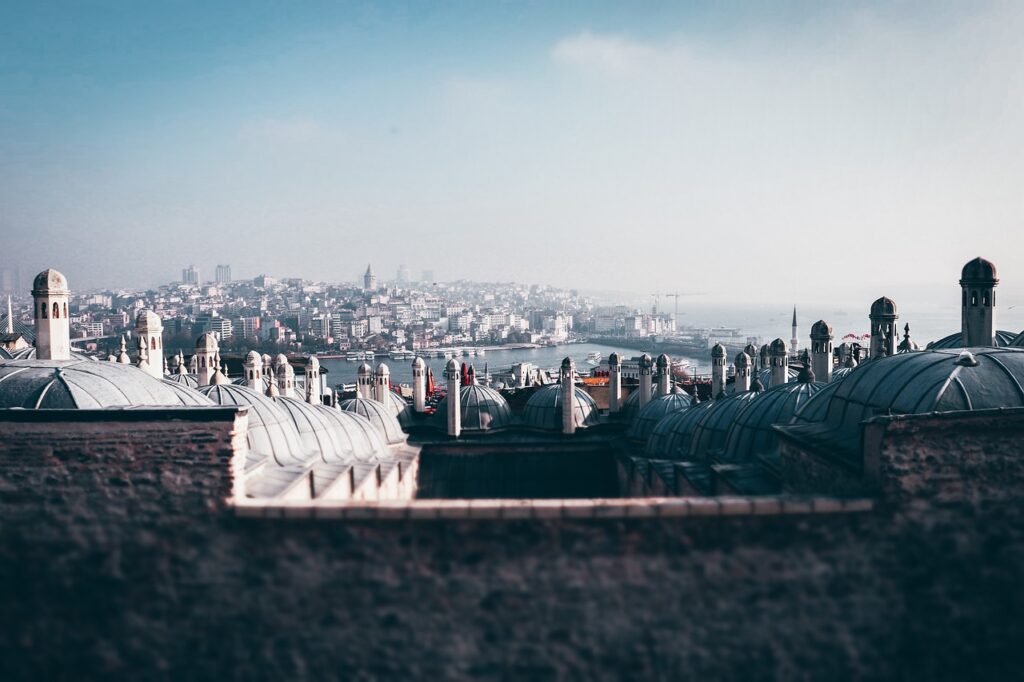
The Belgrade Forest takes on a different character in winter. The trails are quiet, the air is clean and cold, and the bare beeches and oaks open up views that summer hides behind its leaves.
Winter walking in the forest is a serious pleasure, but only with the right gear: waterproof boots for the mud, layers for the temperature, and a thermos of tea. The paths are still busy enough to be safe and empty enough to be wild, and the silence between the trees is the season’s truest sound.
The old dams and aqueducts look their most dramatic in winter, when the bare trees frame the stone arches. A cold, clear forest day is one of the season’s great gifts, and the picnic tables at the forest’s edge, though frosty, reward the brave with views over the hills.
Winter Eating: The Best Fish Season
Winter is the food season of the north shore. The Bosphorus and the Black Sea give their best fish in the cold months, and the restaurants of Sariyer are at their most serious.
This is the season of anchovies, fried by the plateful, and of bonito, the autumn and winter classic. The meze tables are full, the bread is warm, and the waterfront rooms are packed with locals who know the calendar, so book a table for the evening or eat early.
Eating well in winter Sariyer means eating early and heartily: a long lunch by the window, a soup before the walk, and a tea to end it. The kitchens are the warmest rooms in the district, and the smell of woodsmoke and grilled fish follows you out into the cold.

Walking the Promenades in the Cold
The coastal promenades do not close for winter, and a walk along them on a clear day is a tonic. The wind is sharp, the light is low, and the water is at its liveliest.
Walk from the center toward the villages with the wind at your back, and stop at the piers and benches that summer claims. The winter walkers have the shore to themselves, and the water seems louder, greener, and more alive in the cold.
Keep the walks to the daylight hours, because the evenings come early and the wind rises with the dark. A winter promenade is best measured in short, bracing stretches, rewarded by tea.
Quiet Villages and Local Life
In winter the coastal villages return to their local selves. Yeniköy, Tarabya, and Büyükdere empty of summer visitors, and the daily life of the district takes over the streets.
The bakeries, the markets, and the tea gardens keep the villages alive, and the ferries still stop on schedule. Winter is the best time to see how the district actually lives, without the summer crowds and their summer prices.
It is also the time of the cheapest rooms and the friendliest welcomes, with the summer prices gone and the pace slowed. The villages in winter feel like a small town by the sea, and the shopkeepers have time to talk, which is exactly how you meet the place.
Winter Events and Traditions
The cold months bring their own small rituals. The winter fish market runs at full strength, the börek shops bake for the colder appetites, and the tea gardens fill earlier and empty later. The morning boats still land their catch, and the market still buzzes, but the pace of everything else slows to a comfortable winter crawl.
The approach of spring festival time brings cleaning, preparations, and a sense of renewal to the district, and the first warm days fill the promenades again. The seasonal food traditions anchor the winter weeks, and the cooks of the district follow a calendar as old as the fishing boats.
Whatever the calendar, the constant is the water and the boats. The fishermen work through the winter, and their routine is the district’s true winter tradition.
A Winter Day in Sariyer
A good winter day starts with a late, long breakfast, letting the morning cold pass. Then a ferry ride or a forest walk in the best of the daylight, with a thermos of tea along, and a route that keeps the sun on your face and the wind at your back.
Lunch is the day’s anchor: a long meal of meze and the season’s fish by a warm window, taken slowly. The afternoon belongs to a museum, a tea garden, or a walk along the shore.
Finish with an early evening ferry, watching the lights of the strait come on, and a warm dinner in the center. Winter Sariyer is a place of small, glowing pleasures, and it asks only that you dress for them, which is a small price for a season this beautiful.
Frequently asked questions
Is Sariyer worth visiting in winter?
Yes, and it is many people’s favorite season. The fish are at their best, the crowds are gone, the light over the Bosphorus is beautiful, and the tea gardens and museums give the days warmth and structure. The weather is cold and wet, so it is a season for layered clothing and indoor anchors, but the district is genuinely at its most atmospheric.
Does the ferry to Sariyer run in winter?
Yes, the ferries run through the winter, though less frequently than in summer. Check the timetable for the season, because the evening boats end earlier and the winter schedules can surprise. The reduced service is part of why the district feels so quiet, and the winter crossings are among the most beautiful boat rides on the Bosphorus.
What should I pack for a winter visit?
Pack layers and waterproofs: a warm base, a fleece, a windproof and waterproof shell, and a hat, gloves, and scarf for the boat decks. Waterproof shoes handle the wet promenades and the muddy forest trails, and a small umbrella covers the showers. A thermos is worth its weight, and a daypack keeps the layers handy as you move between the cold outside and the warm tea gardens.

All Over Information
The All Over Information editorial team researches and writes practical English-language guides to Turkey. Facts are checked against official and local sources before publication, prices are published as dated ranges rather than quotes, and guides are revised when things change. We accept no sponsored posts, paid placements or paid links.
More guides like this

Shopping Guide: What to Buy in Sariyer
Shopping in Sariyer is not about boutiques and malls; it is about markets, bakeries, and the honest goods of a working district.

Sariyer Airport and Transport Guide
Getting to Sariyer is a journey across the whole of Istanbul, and knowing the transport options turns that journey into part of…
Top 10 Things to Do in Sariyer
Sariyer is the northernmost district of Istanbul's European shore, a green wedge of coast, forest, and open sea where the Bosphorus meets…
Sariyer in Summer: A Complete Travel Guide
Summer is when Sariyer comes into its own.

Hidden Gems of Sariyer Most Tourists Miss
Every guide to Sariyer mentions the ferry, the fish restaurants, and the forest, but the district keeps its best secrets a little…