The Legacy of the Ottoman Tile and Ceramic Tradition in Modern Turkey
When you step into the great mosques of Istanbul, the walls glow with color.

When you step into the great mosques of Istanbul, the walls glow with color.

Turkey is a country of seas. It is surrounded by water on three sides, and the history of the nation is inseparable from the ships that sailed those waters.

Between the eleventh and thirteenth centuries, waves of European armies marched through Anatolia on their way to the Holy Land, and their passing left deep marks on the land that is now Turkey.

More than two thousand years ago, a young king from Macedonia crossed into Anatolia with an army and changed the course of history.
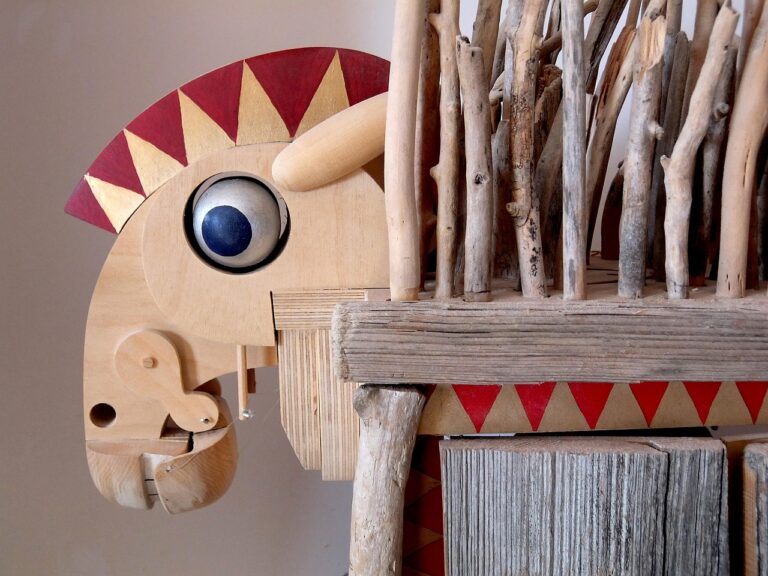
The story of the Trojan War is one of the oldest and greatest tales of Western literature, and its setting lies in modern Turkey.

Few events in world history carry the weight of May 29, 1453, when the armies of Sultan Mehmed II broke through the walls of Constantinople and brought the Byzantine Empire to an end.
Every spring, Istanbul paints itself in petals. Gardens, parks, and highway medians fill with tulips in every color, and the city looks like a festival ground.

Somewhere in the valley of the Gediz River, west of modern Izmir, a kingdom once gave the world one of its most influential inventions: money.

Somewhere between the Hittite Empire and the classical Greek world, the highlands of central Anatolia belonged to the Phrygians.
High above Lake Van, the walls of a vanished kingdom still crown the cliffs.

Travel through eastern Turkey and you will encounter stone churches standing in fields, carved reliefs on remote cliffs, and town districts with names that echo a different century.
Long before highways and airlines, Anatolia was the crossroads of the world.
We use cookies
Necessary cookies keep this site working. With your permission we also use cookies for analytics and advertising, which is how the site is funded. You can change your mind at any time. Cookie policy · Privacy policy