When you step into the great mosques of Istanbul, the walls glow with color. The blues, greens, and reds of Ottoman tiles have decorated Turkish buildings for five hundred years, and the tradition they belong to is one of the finest in the world of ceramics. The Ottoman tile and ceramic tradition, centered on the town of Iznik and the workshops of Kutahya, produced masterpieces that still define the look of Turkey. This guide explores that legacy and shows you where the art lives today, from the palaces of the sultans to the workshops of modern craftspeople.
The Tile Tradition in Brief
The Ottoman tile tradition was the art of decorating walls and surfaces with glazed ceramic tiles, made from clay, painted with colors, and fired in kilns.
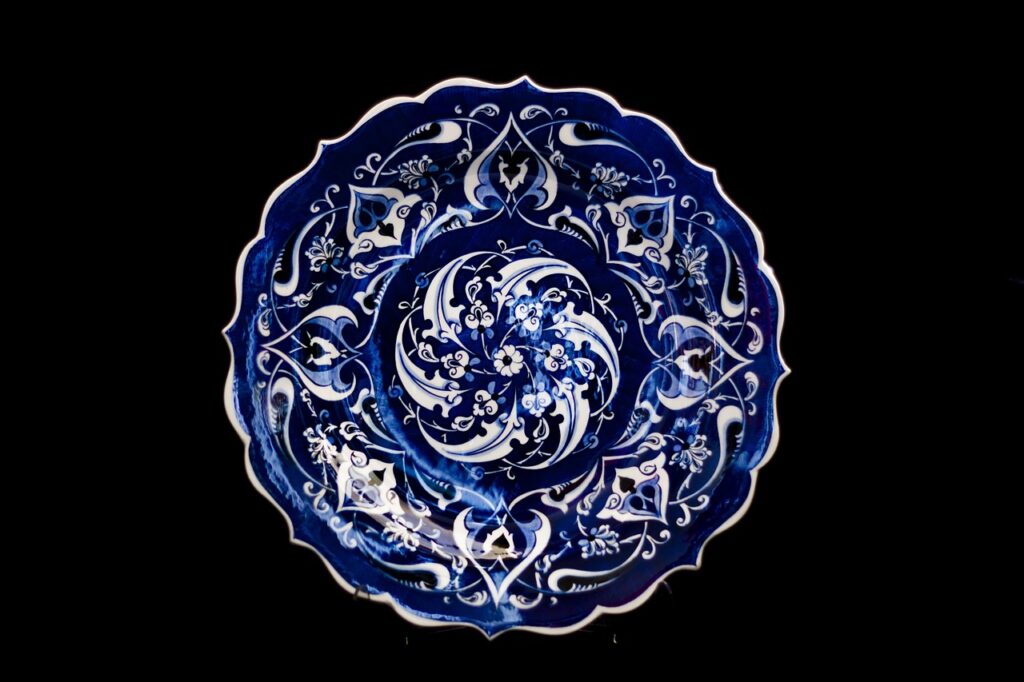
The art reached its height in the sixteenth century, when the workshops of Iznik produced tiles of astonishing color and design. The signature colors were a brilliant cobalt blue, a turquoise, a tomato red, and a vivid green.
These tiles covered the interiors of mosques, palaces, and tombs, turning buildings into gardens of color and light that still dazzle visitors today. The tradition was the pride of the empire, and its legacy still surrounds you in Turkey today.
Iznik: The Heart of the Craft
The town of Iznik, on the shores of a lake in northwestern Turkey, was the heart of the Ottoman ceramic tradition. Its kilns produced the finest tiles and pottery of the empire.
Iznik pottery began in the fifteenth century and blossomed in the sixteenth. The workshops developed the famous red, a color unique to Iznik, and the fine white body that made their wares so prized.
The legacy of Iznik is still alive. The town remains a center of ceramics, its workshops reviving the old designs, and its museum tells the story of the craft that made it famous across the world.

Kutahya and the Other Centers
Iznik was not alone. The town of Kutahya, in central Anatolia, was the other great center of Ottoman ceramics, and its workshops have continued the tradition without interruption.
Kutahya became especially famous for its tiles in the eighteenth and nineteenth centuries, when Iznik had declined. Its workshops produced the tiles that decorate many of the later Ottoman buildings.
Today, Kutahya is the living center of Turkish ceramics. The town’s kilns produce tiles and pottery in the traditional styles, and its museum celebrates a tradition that has continued for five hundred years.
The Great Mosques and Palaces
The greatest legacy of the Ottoman tile tradition is the buildings it decorated. The mosques and palaces of the empire are still covered with the tiles of Iznik and Kutahya.
The Blue Mosque in Istanbul, built in the early seventeenth century, is famous for its tens of thousands of Iznik tiles. The palace of Topkapi, the tombs of the sultans, and the great mosques of Bursa and Edirne are all decorated with the same art.
For the visitor, these buildings are the museums of the tile tradition. You do not need a glass case to see the greatest tiles of the Ottoman age; you need only look at the walls around you.

The Blue Mosque’s Tiles
The Blue Mosque, or Sultan Ahmed Mosque, is the most famous showcase of Ottoman tiles in the world. Its name comes from the blue tiles that cover its interior.
The mosque contains tens of thousands of Iznik tiles, many of them decorated with floral patterns in blue, green, and red. The light that falls through its windows makes the tiles glow, and the effect is one of the great sights of Istanbul.
For visitors, the Blue Mosque is the perfect introduction to the tile tradition. Stand in the center of the prayer hall, look up, and you are surrounded by the greatest surviving collection of Ottoman ceramic art.
Techniques and Materials
The beauty of Ottoman tiles rests on a demanding technology. The tiles were made from a fine white clay, painted with mineral pigments, and covered with a clear glaze.
The famous Iznik red was one of the hardest colors to produce. It was made from a pigment containing iron, applied thickly under the glaze, and it required great skill to fire without damage.
This technical mastery is part of the legacy. The colors of Ottoman tiles have survived for centuries without fading, and the methods of the old kilns are studied by craftspeople and scientists to this day.
The Decline of the Golden Age
The golden age of Ottoman tiles ended in the seventeenth century. The Iznik workshops declined, and by the eighteenth century their production had all but stopped.
The reasons were complex: economic problems, competition, and changes in taste all played a part. The great age of the tile was over, and the workshops of Kutahya carried the tradition into the modern era.
The decline is part of the story of the craft, but it is not the end of the story. The revival of the tradition in modern Turkey has brought the tiles of Iznik back to life.
The Revival Today
The Ottoman tile tradition has been revived in modern Turkey, and the old designs are being made again. Workshops in Iznik and Kutahya have reconstructed the techniques of the golden age.
Modern artisans produce tiles using the traditional materials and methods, and their work decorates new buildings as well as restoring old ones. The revival has brought the colors of Iznik back into daily life, and the traditional designs now decorate everything from public buildings to the interiors of restaurants and hotels.
For the visitor, the revival means the tradition is not only in museums. You can visit the workshops, watch the tiles being made, and buy modern pieces that carry the designs of the sixteenth century.

Tiles in Museums and Markets
The heritage of Ottoman ceramics is displayed in museums across Turkey, and it fills the markets of the country, where the art of the kilns is offered to every visitor. The collections in Istanbul and the ceramic museums of Iznik and Kutahya are the best places to see the art.
The museums hold the masterpieces of the tradition: the great plates, the mosque tiles, and the pottery of the golden age, each piece showing the skill and the patience of the old masters. The markets, meanwhile, sell modern pieces made in the traditional styles.
For the traveler, the combination is ideal. See the masterpieces in the museums, then buy a modern piece in the market, and you have both the history and the living tradition of Ottoman ceramics.
Bringing the Legacy Home
The legacy of the Ottoman tile tradition is something you can bring home with you. Turkish ceramics, from the tiles of Iznik to the pottery of Kutahya, are among the country’s most beautiful souvenirs.
Choose a piece with care: a tile with the traditional floral design, a plate with the Iznik red, or a bowl from the workshops of Kutahya. Each piece carries five centuries of craft.
When you hang a Turkish tile on your wall, you are continuing a tradition that began in the kilns of the empire. The legacy of Ottoman tiles is one of the great artistic achievements of Turkey, and it is a gift that keeps its color, like the tiles themselves, for centuries to come. The legacy of Ottoman ceramics is not only in Turkey; it is in the homes of the world.
The Designs and Their Meaning
The designs of Ottoman tiles are more than decoration; they carry meaning. The floral patterns, the tulips, carnations, roses, and hyacinths, speak of the gardens of paradise, and the stylized leaves and vines fill the surfaces with life.
The blue and white style, inspired by Chinese porcelain, was the first great phase of Iznik design, and it was followed by the polychrome style with its reds and greens. The patterns were drawn by the empire’s finest artists and copied by generations of craftsmen.
For the visitor, reading these designs adds a layer to the experience. The flowers on a mosque wall are not random decoration but a language of beauty and belief, developed over two centuries and perfected in the kilns of Iznik.
The Tile in Turkish Homes Today
The love of tiles has not stayed in the mosques. In modern Turkey, tiles decorate fountains, shops, and homes, and the tradition is part of everyday design.
Many Turkish houses and restaurants use tiles as accents, and the patterns of the golden age appear on tables, planters, and wall panels across the country. The craft has moved from the palace to the street.
For the traveler, this everyday presence is one of the pleasures of the legacy. You will see Ottoman tile designs in the most unexpected places, from a tea garden in a village to the lobby of a modern hotel, a reminder that the tradition lives on in the daily life of Turkey.
Frequently asked questions
What is Iznik pottery famous for?
Iznik pottery is famous for the finest tiles and ceramics of the Ottoman Empire, produced from the fifteenth to the seventeenth century. Its signature colors, especially the brilliant cobalt blue and the unique Iznik red, and its floral designs made it the most prized pottery of its age.
Where can I see Ottoman tiles in Turkey?
The Blue Mosque in Istanbul is the most famous showcase, with tens of thousands of tiles. Topkapi Palace, the great mosques of Bursa and Edirne, and the ceramic museums of Iznik and Kutahya also display outstanding collections of Ottoman tiles.
Is the Ottoman tile tradition still alive?
Yes. The tradition was revived in modern Turkey, and workshops in Iznik and Kutahya again produce tiles using traditional materials and methods. Modern artisans create both restorations and new pieces, and the markets sell ceramics that carry the designs of the golden age.

All Over Information
The All Over Information editorial team researches and writes practical English-language guides to Turkey. Facts are checked against official and local sources before publication, prices are published as dated ranges rather than quotes, and guides are revised when things change. We accept no sponsored posts, paid placements or paid links.
More guides like this

The Legacy of the Turkish Republic Era in Modern Turkey
When you travel across Turkey today, you are moving through a landscape shaped as much by a century of republic as by…

The Legacy of the Silk Road Era in Modern Turkey
Long before highways and airlines, Anatolia was the crossroads of the world.

How the Crusader Era in Anatolia Shaped Turkish Identity
The Crusader era left Turkey a complicated inheritance. For two centuries, European armies crossed Anatolia on their way to the Holy Land,…

How the Silk Road Era Shaped Turkish Identity
To understand what it means to be Turkish, you have to understand what it meant to live at the crossroads of the…

The Legacy of the Hittite Empire in Modern Turkey
Long before the Greeks, the Romans, or the Ottomans, an empire rose from the plains of central Anatolia and ruled much of…

The Legacy of the Alexander the Great’s Anatolian Campaigns in Modern Turkey
More than two thousand years ago, a young king from Macedonia crossed into Anatolia with an army and changed the course of…