You will feel it within your first hour in Turkey. A stranger will offer directions, a shopkeeper will pour you tea, a family may invite you to dinner, and at every step someone will treat you not as a customer or a foreigner but as a guest. Turkish hospitality, known as misafirperverlik, is one of the most discussed aspects of Turkish culture, and also one of the most misunderstood. This guide explains where it comes from, how it works in practice, and what it expects of you in return.
What Hospitality Means in Turkey
In Turkey, hospitality is not a courtesy extended now and then: it is a moral duty. The Turkish word for guest is misafir, and the idea that the guest must be honored runs through everyday life. When someone enters a home, the first question is rarely the purpose of the visit; it is an offer of tea, coffee, or food.
This duty applies in surprising places. In shops, tea is offered to customers as a matter of course, and in offices, visitors are treated as guests rather than interruptions. This is not performance: it is a social code internalized for generations.
The practical consequence is that hospitality will find you whether you look for it or not. Accept warmth when it is offered, show gratitude, and understand that the giving creates a bond. Refusing flatly can feel like rejection, so learn to accept, and to decline gracefully when you must.
The Roots of Misafirperverlik
The deep roots of Turkish hospitality lie in geography and history. Anatolia has always been a land of travelers: caravans, pilgrims, and merchants crossed it for millennia, and receiving a stranger could mean the difference between survival and disaster. In a landscape with few inns, necessity hardened into custom.
Religion reinforced the habit. In Islamic tradition, hospitality to the guest is strongly encouraged, and the Quran urges kindness to the traveler. This gives Turkish hospitality a seriousness that secular courtesy lacks.
The tradition was also shaped by Ottoman social codes, where hospitality marked honor and status, and generosity was a form of prestige. All these layers are compressed into the modern custom, which is why Turkish hospitality feels both ancient and intensely personal.
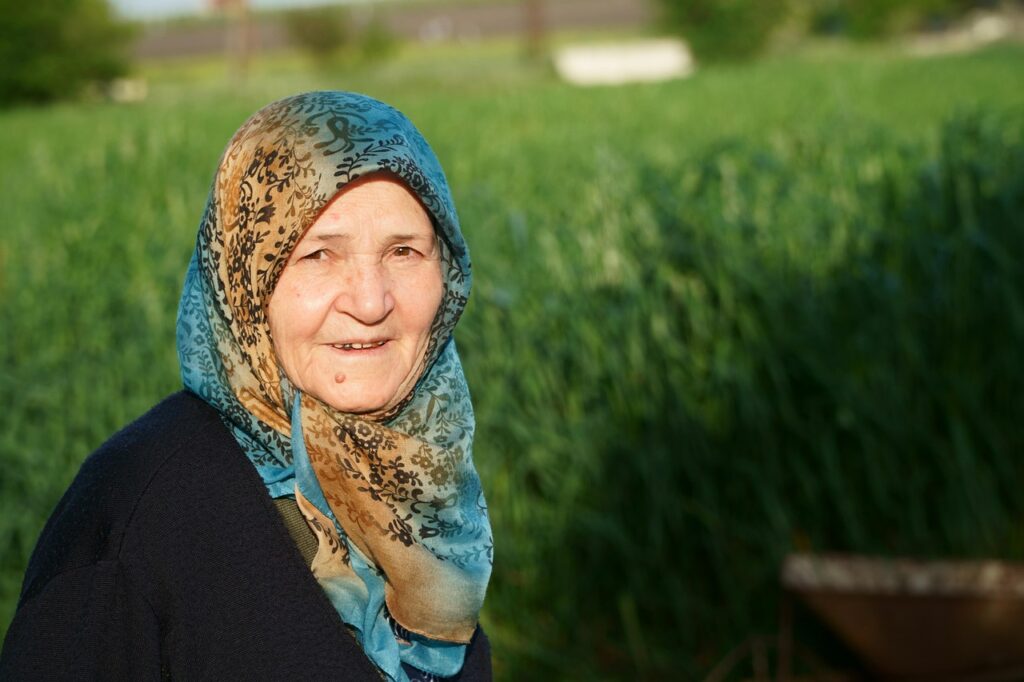
Tea as the Universal Welcome
If you understand nothing else about Turkish hospitality, understand the tea. Turkish tea, çay, is the universal gesture of welcome, offered in homes, shops, and even offices. It arrives in a small tulip-shaped glass, and it is nearly impossible to spend a day in Turkey without being offered one. The tea is a signal that you are welcome.
The rituals carry meaning. In a shop, tea is a sign of good faith and part of the negotiation culture; many deals are concluded over glasses of çay. In a home, tea arrives with something to eat. You can decline politely, but it is often easier to accept.
The offer of tea also functions as a social pause. In a culture where relationships matter more than schedules, tea is how business becomes friendship. Accepting tea opens doors: it shows respect for the culture and gives you the chance to meet Turkish people in their most natural setting.
The Meal That Cannot Be Refused
Food is where Turkish hospitality reaches its fullest expression. When invited to a Turkish home, expect a meal far larger than you can eat, served with insistence and love. The host will press you to take more and treat hesitation as a challenge. This is the ritual of generosity, and the host’s pleasure depends on your enjoyment.
You are expected to take a little of everything and accept at least a second serving. If you truly cannot eat more, praise the food and explain that you are full. The host may still insist, but the exchange is part of the dance, and the insistence is actually a compliment.
For visitors, the key is to understand the roles. The host gives, the guest receives, and the honor of both depends on the exchange being generous. Repay the gift by eating well, praising the cooking, and bringing a small gift on a later visit. Once you sit at a Turkish table, you are no longer a stranger.

Hospitality in the Home
The private home is where Turkish hospitality is most intense, and an invitation is a genuine honor. Arrive on time or slightly late, never early, and bring a small gift: dessert, flowers, or a token from your own country. You will be received at the door with enthusiasm and led to the best seat.
Inside, compliment the home and the food, accept what you are given, and never leave immediately after eating, since the conversation after the meal is part of the hospitality. Expect the host to walk you to the door, and expect an invitation to return.
The home visit also reveals the family-centered nature of Turkish society. You will likely meet grandparents, aunts, uncles, and children, and everyone takes part in hosting. The family’s honor is at stake, which is why the effort is so complete. You are not being inspected: you are being welcomed.
Hospitality in the Marketplace
Turkish hospitality is not confined to homes; it is a feature of the marketplace. In the Grand Bazaar and the shops of every Turkish town, you will be greeted with warmth and offered tea. This is partly commerce, but also culture: the shopkeeper’s reputation depends on being a good host.
Accepting tea does not obligate you to buy, and declining does not offend, though accepting is smoother. Bargaining is conducted with hospitality as a framework: the seller offers, you counter, and the exchange stays friendly. A respectful visitor often receives better prices and genuine assistance.
In the Turkish marketplace, the relationship precedes the transaction, and hospitality is how it is built. If you rush through a shop as if it were a warehouse, you miss the point. Slow down, accept the tea, and talk a little, and you may leave with both a purchase and a friend.

The Obligations of the Guest
Hospitality in Turkey is a two-way street. The guest’s first obligation is gratitude: thank your hosts warmly, and praise the food. The second is respect: accept what is offered and show interest in the home. The third is reciprocity: if invited again, bring a gift, and host your Turkish friends in turn.
There are also small rules visitors often miss. Accept tea at least once, take a little more rather than refuse flatly, and say goodbye to everyone with thanks. These gestures carry real weight and determine whether you are remembered as a good guest.
The larger point is that Turkish hospitality creates relationships, not transactions. When you accept the tea and the kindness, you accept a connection that the culture expects you to honor. This is not a burden: it is the chance to leave Turkey with friendships rather than merely photographs.
Regional Variations
Turkish hospitality is national, but it wears regional colors. In the western cities of Istanbul and Izmir, it is warm but adapted to urban rhythms. In the southeast, it reaches levels travelers often describe as extraordinary, with guests treated almost as members of the family.
In rural areas, where guests are rarer and the old ways survive, visitors may be offered a full meal within minutes of arrival, and refusing is genuinely difficult. In tourist centers, the warmth is real but more controlled, and each region has its own food traditions.
The practical lesson is to adapt. In a village, accept the hospitality fully and without hurry, as the host’s honor is deeply invested. In a city, be gracious but efficient. The underlying value is the same everywhere.

Hospitality in Modern Life
Modern Turkey has changed, but hospitality has adapted rather than disappeared. In the big cities, the tea is still offered but may be quicker, and long family dinners may be reserved for weekends. Young Turkish people still hold hospitality as a value.
The digital age has expanded its reach. Social media has made Turkish hospitality a cultural export, with travelers sharing stories of being fed, housed, and guided by strangers. The state has even made hospitality a brand in its tourism campaigns.
None of this means the tradition is weakening. Rather, hospitality has become self-aware, a value Turkish people consciously present to the world. The culture wants you to experience its welcome, whether you are in a village or a metropolis.
What Visitors Should Know
The most important thing to know is that Turkish hospitality is sincere and safe to accept. The overwhelming majority of invitations come from genuine warmth. Exercise normal caution in tourist areas, but the cultural default is kindness.
Learn a few words of Turkish and the effect is immediate. A simple teşekkür ederim, thank you, or a compliment such as çok güzel, very beautiful, will make your hosts light up. Learn to accept tea, praise food, and say goodbye properly, and doors open throughout the country.
Finally, carry the tradition home. The essence of Turkish hospitality is the belief that a stranger is a gift, and you can embody that belief anywhere. Let the welcome of Turkey change how you treat the travelers you meet, and you will have understood the tradition by living it.
Frequently asked questions
Why do Turkish people offer tea to guests so often?
Tea is the universal symbol of welcome in Turkey. Offering çay signals that the visitor is honored and that the host has time for them. The ritual creates a social pause that allows relationships to form, which is why it is so central to Turkish hospitality.
Do I have to accept everything I am offered?
You can decline politely, but it is smoother to accept at least once. If you cannot eat more, praise the food and explain that you are full; the host may insist, and you can decline again. What matters is gratitude, not the quantity you consume.
Is it safe to accept hospitality from strangers in Turkey?
In the vast majority of cases, yes. Travelers are routinely invited for tea and meals by families who simply enjoy hosting. As anywhere, use normal caution with strangers, but accept that the cultural default is genuine kindness, and enjoy it.

All Over Information
The All Over Information editorial team researches and writes practical English-language guides to Turkey. Facts are checked against official and local sources before publication, prices are published as dated ranges rather than quotes, and guides are revised when things change. We accept no sponsored posts, paid placements or paid links.
More guides like this

A Deep Dive into Turkish Coffee Fortune Telling
Turkish coffee fortune telling, fal, is a tradition that travelers encounter with delight and scholars approach with curiosity.

Religious Diversity in Turkey Explained for Foreigners
Turkey surprises many visitors with the depth and complexity of its religious life.

Turkish Etiquette: Dos and Don’ts for Visitors
Turkish culture runs on warmth, respect, and hospitality, and the rules visitors worry about are simpler than they fear.

Understanding the Ottoman Naval History: A Beginner’s Guide
The Ottoman Empire was a land power that became a sea power, and its navy carried its flag across three seas for…
Understanding the Phrygian Civilization: A Beginner’s Guide
If you know the legend of King Midas and the riddle of the Gordian knot, you already know something of the Phrygians.

Understanding Turkish Barbershop Culture
If you spend any time in Turkey, you will notice the barbershops on nearly every street corner, their windows polished, their chairs…