Winter changes Taksim in ways that suit some travelers perfectly and surprise others. The crowds thin, the prices drop, the avenue is strung with lights, and the neighborhood’s indoor life, its cafes, its cultural halls, and its taverns, comes into its own. The cold is real but rarely bitter, and the rain is more common than the snow. This guide tells you exactly what to expect and how to make the most of the season.
The Winter Climate of Taksim
Istanbul’s winter is a cool, damp season rather than a harsh one. Daytime temperatures hover around the low end of the thermometer, and the nights drop a little further, but the cold is the wet kind, carried by the wind off the sea, and it bites through thin clothing more than it freezes the air.
Rain is the winter’s main weather event, and it arrives in quick showers or long drizzles that can settle in for days. Snow falls some years, usually briefly, and when it does, the square and the avenue turn into a postcard and the city slows to admire it.
The useful summary is that winter in Taksim is manageable with the right coat and the right attitude. The days are short, the light is soft, and the indoor life of the district carries the season.
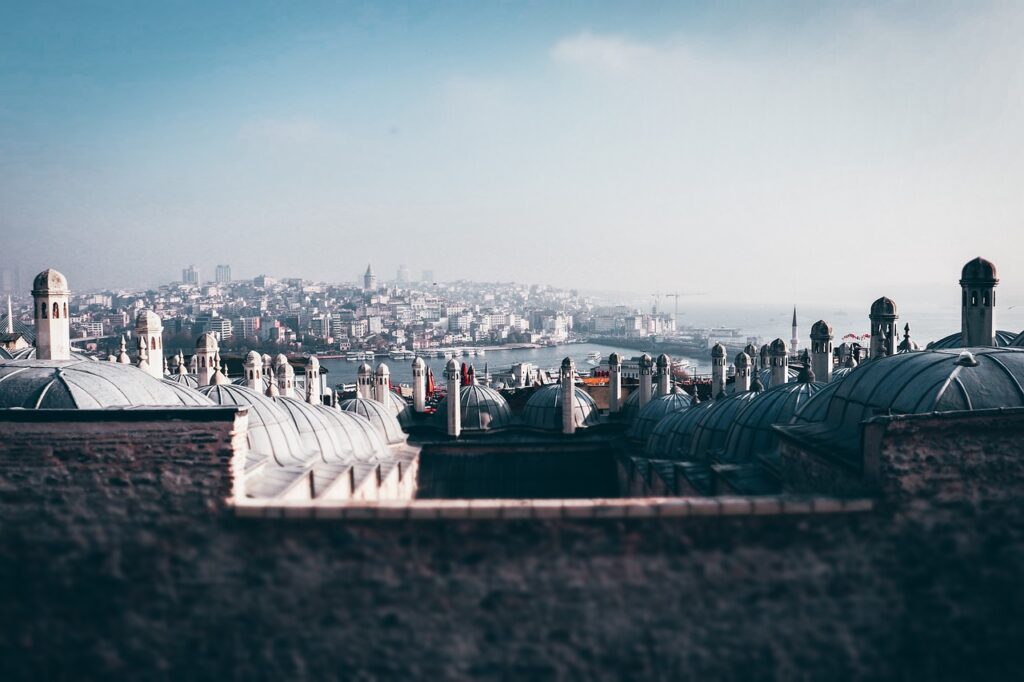
The winter skyline has its own moods too: the low clouds hang over the Bosphorus, the lights of the old city come on early across the water, and the whole district glows under the early dusk.
What to Pack for Winter
The winter wardrobe for Taksim is a layering system. Start with a warm base layer, add a sweater, and finish with a waterproof outer coat, because the rain is the real enemy and an umbrella alone will not save you from the wind.
Good shoes matter more than good looks. The streets are cobbled, the hills are steep, and the rain makes both slippery, so choose footwear with grip and water resistance. A scarf, gloves, and a hat complete the kit, and they come off easily in the warm interiors.
Pack less than you think you need for dress occasions and more for comfort. The district’s winter life is casual, and the traveler who can stay warm and dry for a full day of walking has packed correctly.
A small backpack with a spare layer and a foldable umbrella turns any sudden shower into a coffee break, and the cafes are never far away.

Indoor Highlights and Warm Retreats
Winter is the season of Taksim’s indoor life, and the neighborhood’s cultural spaces take center stage. The cultural center’s opera, ballet, and theater seasons run through the winter, and the concert halls and galleries of the district fill their programs as the weather keeps people indoors.
The passages and arcades of the avenue become winter promenades, covered against the rain and lined with shops, cafes, and pastry counters. The old apartment buildings, with their grand staircases and their courtyards, shelter a web of small museums and ateliers.
The practical winter strategy is to plan the day around the indoor stops: a gallery in the morning, a covered passage at noon, a cultural performance in the evening. The cold outside makes the warmth of each stop feel like a small luxury.
The winter cultural season also brings the district’s film festivals and book fairs, and the indoor crowds of the season are the most cultured audience in the city.
The Avenue in Winter Light
The winter light is one of Taksim’s best-kept secrets. The low sun gives the avenue long shadows and golden hours that the summer sun never manages, and the short days mean the lights of the street come on early, turning the walk down Istiklal into an evening stroll by mid-afternoon.
The winter avenue is also emptier. The crowds of summer thin out, the queues shorten, and the neighborhood feels more like itself, a working district rather than a stage. The locals reclaim the streets, and the pace slows.
The winter atmosphere rewards the walker. The steam from the tea carts, the lit windows of the cafes, and the haze over the Bosphorus from the high streets all belong to the season, and the photographs they give are worth braving the cold for.
The rain brings its own charm to the avenue, with the umbrellas bobbing under the shop awnings and the reflections of the tram lights in the wet cobbles.
Cafes and the Warming Rituals
The cafe is the winter heart of Taksim, and the season has its warming rituals. The tulip glass of tea, the thick Turkish coffee, and the salep, a hot, milky drink thickened with orchid root and dusted with cinnamon, are the district’s answer to the cold.
The cafes of Cihangir and the side streets are the classic winter rooms, with big windows, steam on the glass, and tables that people settle into for hours. The tea gardens of summer turn into enclosed rooms, and the regulars take their usual seats.
The winter cafe culture is unhurried, and the visitor who adopts it gains the real neighborhood. Order the salep at least once, hold the warm glass in both hands, and let the rain do whatever it wants outside.
The winter cafe also hosts the season’s slow conversations, and many a traveler has arrived for a single coffee and left when the lamps came on.
Winter Food and Drink
Winter changes the district’s menus as surely as it changes the weather. The soups take over the lokantas, from the lentil soup that starts every meal to the tripe soup that the night owls swear by, and the slow-cooked bean dishes and the stews fill the counters.
The grills keep burning, and the meyhanes keep pouring, but the winter tables add the season’s comforts: the hot mezes, the cheese pastries, and the heavier dishes that suit a cold night. The chestnut vendors on the avenue do their best trade of the year.
The winter drink of the district is the salep, with tea and coffee running close behind, and the winter dessert is the hot version of the classics. Eat early, eat warm, and the season’s menu will keep you.
The winter markets of the district, with their roasted nuts, dried fruits, and spiced sweets, add their own layer to the season, and the vendors’ braziers warm the corners where they stand.

Getting Around in Winter
The transport hub at Taksim runs through the winter without pause, and the metro, the funicular, and the buses are the reliable backbone of the season. The rain is the main disruption, slowing the traffic and filling the taxis, and the rare snow can stall the hills.
The practical advice is to build in a little extra time and to prefer the metro over the surface routes when the weather turns. The funicular to Kabatas is the winter lifeline to the ferries, and the ferries themselves run a reduced winter schedule, so check the times before planning a crossing.
The district’s own winter transport is the walk, made pleasant by the short distances and the covered passages. With good shoes and a waterproof coat, the whole neighborhood stays on foot.
For the longer journeys, the winter metro is fast and punctual, and the station entrances at the square are the district’s warmest doorways.
Crowds and Prices in the Low Season
Winter is the low season in Taksim, and the traveler’s balance sheet reflects it. The hotel rates drop across the district, the flights are cheaper, and the restaurants and venues are easier to get into without booking weeks ahead.
The trade-off is the weather and the shorter days. The avenue is quieter, some terraces and rooftop venues close for the season, and the outdoor life of summer retreats indoors. The traveler who minds the cold less will find the winter the best-value season in the district.
The holiday weeks are the exception to the low-season calm. Around the New Year, the avenue fills with lights and crowds, and the district shows its festive side at its fullest.
Winter Events and Culture
The winter cultural calendar is Taksim’s strongest. The opera and ballet season is in full swing at the cultural center, the concert halls host the classical and the contemporary programs, and the galleries launch their winter exhibitions.
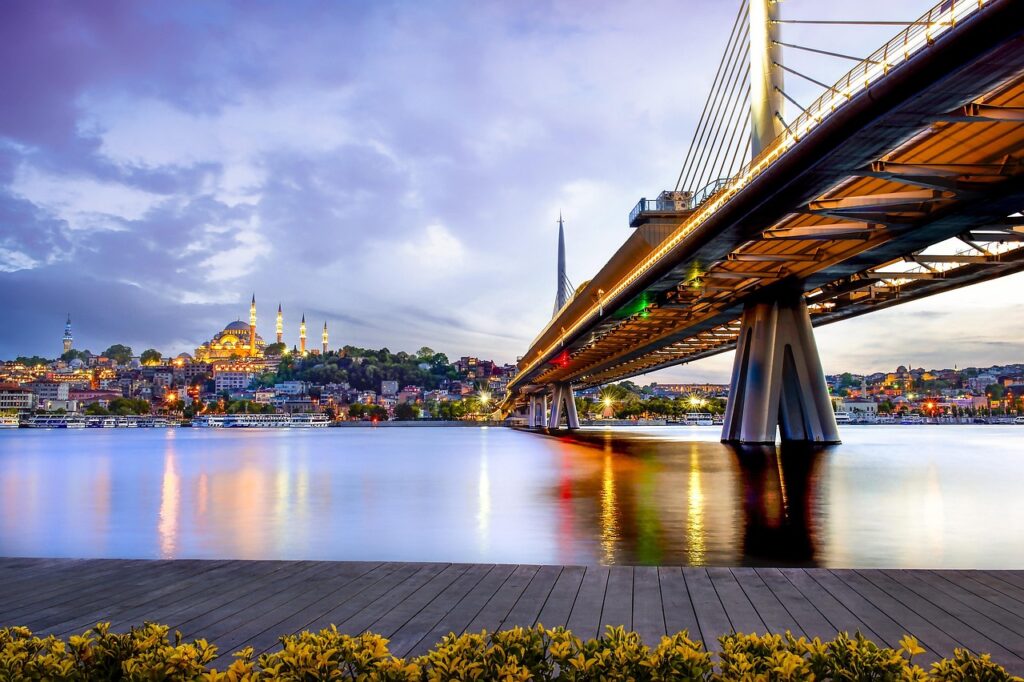
The avenue’s winter decorations are an event in themselves, with the lights and the displays drawing crowds from across the city. The New Year celebrations at the square are the season’s biggest gathering, and the city’s festive energy peaks around them.
Winter also brings the neighborhood’s most serious audiences to its stages, and the district’s cultural rooms, warm and packed, are the season’s true gathering places.
The winter months also suit the neighborhood’s history: the indoor museums, the churches of the district, and the old passages read best in the quiet season, when the crowds are thin and the rooms are warm.
Photography in the Winter Atmosphere
Winter is the photographer’s secret season in Taksim. The low light gives the streets depth, the rain polishes the cobbles into mirrors, and the steam, the umbrellas, and the lit windows fill the frames with atmosphere.
The classic winter shots are the avenue in the early dusk, the square with the lights on and the rain in the air, and the Bosphorus views from the high streets under a low, dramatic sky. The rare snow day is the jackpot, turning the familiar corners into something entirely new.
The practical notes are the same as for walking: keep the camera dry, protect it from the rain, and use the golden hours of the short days. The winter light in Taksim does the creative work for you.
The short days also mean the photographers can shoot both the dawn and the dusk without waiting, and the seasonal mist over the water gives the skyline a depth that summer never matches.
Frequently asked questions
Is Taksim worth visiting in winter?
Yes, and for many travelers it is the best season. The crowds thin, the hotel rates drop, the cultural calendar is at its fullest, and the winter light and atmosphere give the neighborhood a different beauty. The main challenges are the rain and the short days, both manageable with the right coat.
How cold does it get in Taksim in winter?
The days hover around the low end of the thermometer, and the nights are a little colder, with occasional frost. The damp wind off the sea makes it feel colder than the numbers suggest, so warm layers and a waterproof coat are the honest answers.
Does it snow in Taksim?
Some years, briefly. The snow rarely lasts long in the city center, but when it settles, the square and the avenue turn into a rare postcard and the city slows to enjoy it. If you happen to be there for a snowfall, drop your plans and go walking.

All Over Information
The All Over Information editorial team researches and writes practical English-language guides to Turkey. Facts are checked against official and local sources before publication, prices are published as dated ranges rather than quotes, and guides are revised when things change. We accept no sponsored posts, paid placements or paid links.
More guides like this

A Solo Traveler’s Guide to Taksim
Taksim is one of the best neighborhoods in Istanbul for traveling alone.
Taksim in Summer: A Complete Travel Guide
Summer is Taksim's loudest, busiest, and most electric season.

Nightlife Guide to Taksim
Taksim is the nightlife capital of Istanbul, and the neighborhood's nights are the reason many visitors choose it as a base.
A First-Timer’s Guide to Taksim
Taksim is the modern heart of Istanbul, where the city's pulse is easiest to feel.
Best Time of Year to Visit Taksim
Taksim is a year-round district, and every season gives it a different face.

The Best Day Trips from Taksim
Taksim is a superb base for exploring beyond the neighborhood, partly because the transport hub at the square puts the whole city…