Cappadocia and the hot air balloon have become inseparable in the world’s imagination, and the Cappadocia Hot Air Balloon Festival celebrates that marriage with mass launches and night glow shows over the region’s extraordinary landscape. But the festival is young, while the landscape is ancient, and understanding the history of ballooning in Cappadocia means understanding why this strange pairing of the world’s oldest tourist landscape and its newest flight technology works so perfectly. This guide explores that story and the festival’s meaning for the region.
How Ballooning Came to Cappadocia
Hot air ballooning in Cappadocia began modestly in the late twentieth century, when a few pioneering operators recognized that the region’s geology and weather were ideal for the sport. The first flights were small and experimental, but the combination of the extraordinary landscape and the quiet, floating flight caught on quickly.
The growth was driven by the landscape itself. Ballooning offered something no other form of travel could: a silent, bird’s-eye view of the fairy chimneys, the rock-cut churches, and the valleys, without roads, noise, or haste. The experience was unique in the world, and word spread.
Within a few decades, Cappadocia ballooning had grown from a novelty into an industry, with scores of balloons flying each morning and the region’s towns rebuilt around the dawn flights. The balloon became the symbol of Cappadocia, the image that introduced the region to the world.
The Landscape That Made It Possible
Cappadocia’s landscape is the product of millions of years of volcanic activity. The ancient eruptions of the region’s mountains covered the plateau in soft tuff, a volcanic rock, and the wind and water carved that rock into the valleys, pinnacles, and fairy chimneys that make the region famous.
The same volcanic geography created the perfect conditions for ballooning. The valleys give the wind channels that are predictable in the early morning, the flat-topped mesas offer launch and landing sites, and the open skies allow the flights to spread safely across the landscape.
The people of the region have always lived with the rock: they carved homes, churches, and entire underground cities into it. The balloons are the latest chapter in a long relationship between the people of Cappadocia and their strange, soft, living landscape.
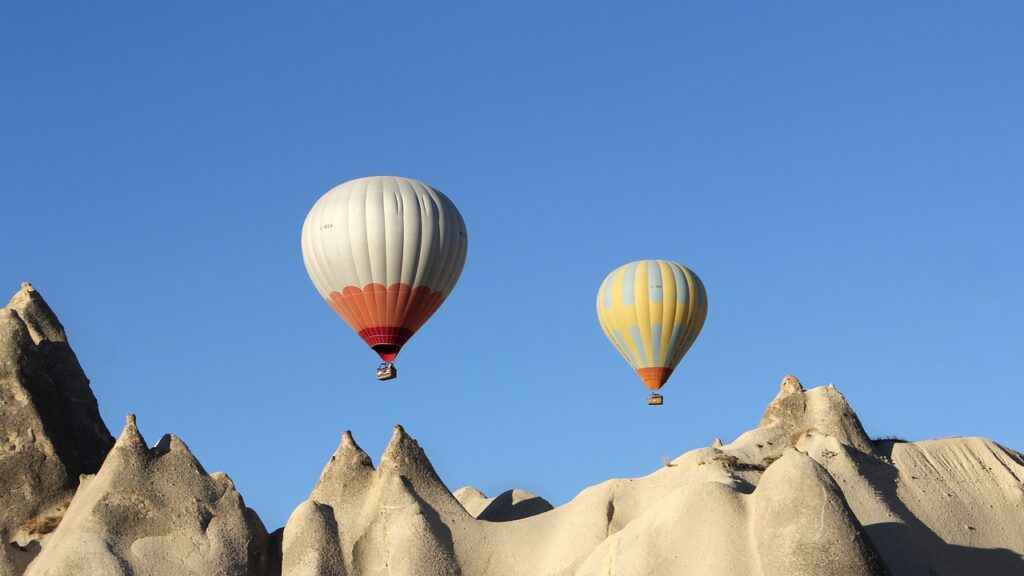
The Rise of Cappadocia Ballooning
The rise of Cappadocia ballooning followed the rise of Turkish tourism. As the country opened to international travel, Cappadocia’s rock-cut churches and fairy chimneys drew visitors, and the balloon flights offered a new way to see them. The dawn flights became the region’s signature experience.
The operators professionalized quickly. The flights are governed by strict safety rules, the pilots are licensed and experienced, and the morning launches are choreographed with military precision, with the balloons following the wind over the valleys and landing wherever the air decides.
By the twenty-first century, Cappadocia had become one of the world’s great ballooning destinations, and the morning sky over Göreme, with its fleets of balloons in the dawn light, had become one of the most famous sights on earth. The stage was set for a festival.
The Festival’s Beginnings
The Cappadocia Hot Air Balloon Festival began in the late 2010s, when the region’s balloon operators and tourism bodies joined forces to create a dedicated event around the sport. The idea was to gather the region’s balloons for mass launches and to add the night glow shows that other balloon festivals around the world had made famous.
The festival grew quickly. The mass launches, with scores of balloons rising together over the valleys, took the region’s everyday spectacle and magnified it, and the glow shows brought the balloons out of the dawn and into the night, where they glow like lanterns against the dark sky.
The festival is now a fixed point in the region’s summer calendar, drawing visitors from around the world. It is younger than almost any other tradition in this ancient landscape, but it has already become one of the region’s defining events.
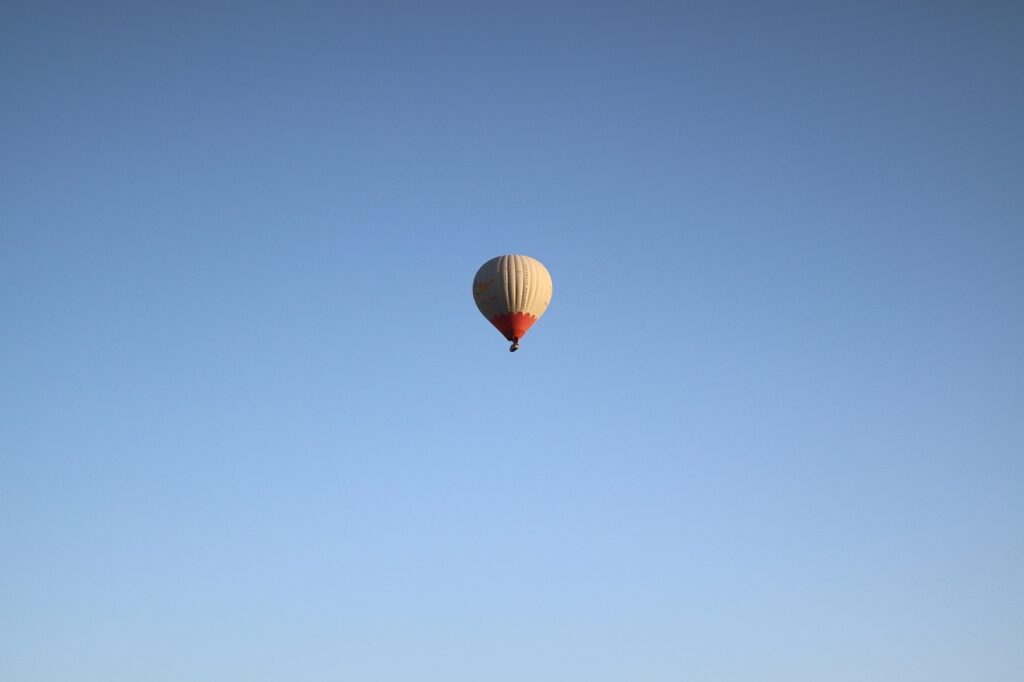
The Mass Launch as Spectacle
The morning mass launch is the festival’s centerpiece. Where a normal Cappadocia morning sees dozens of balloons, the festival sees the region’s entire fleet rising together, and the sky over the valleys becomes a moving field of color in the first light of day.
The spectacle works because of the landscape. The balloons rise from the launch fields below the mesas, drift over the fairy chimneys and the rock-cut valleys, and fill the sky in formations that the photographers of the world have made iconic. The launch is the festival’s daily gift.
For the spectators on the ground, the mass launch is a show that needs no ticket. The viewpoints of the region fill at dawn, and the sight of the fleet lifting over the rock formations, in the orange light of sunrise, is the festival’s most enduring image.
The Night Glow Show
The glow show is the festival’s invention of night. As darkness falls, the balloons are laid out and inflated on the ground, and their burners are fired in sequence, making the great envelopes glow from within, like colored lanterns, in time with the music.
The effect is surreal. The glowing balloons against the black sky, the roar of the burners, and the crowd gathered around the field create a spectacle that has nothing to do with the dawn flights and everything to do with the festival’s own theatrical imagination.
The glow show is also the festival’s most accessible event. It takes place in the evening, needs no early rising, and is staged at venues that welcome spectators, and it has become the moment when the festival’s visitors come together in the dark to watch the light.

The Meaning of the Festival for the Region
The festival carries real meaning for Cappadocia and its people. Ballooning has transformed the region’s economy, and the festival concentrates that activity into a celebration that brings the world’s attention to the region at a fixed time each year.
For the local communities, the festival is a point of pride. The balloon pilots, the crew members, and the hotels and restaurants that serve the visitors are part of a single regional industry, and the festival is the moment when that industry shows itself at its grandest.
The festival also anchors the region in the global calendar. Cappadocia had long been famous for its ancient history; the festival adds a modern, living event, and together they make the region a destination that offers both the deepest past and a vibrant present.
Ballooning and the Local Economy
Ballooning is the engine of modern Cappadocia’s tourism. The dawn flights draw visitors who stay for days, fill the cave hotels, and spend across the region’s restaurants and shops, and the industry supports pilots, crews, and a wide network of related businesses.
The festival multiplies that economic effect. The festival week brings the year’s largest crowds, and the mass launches and glow shows fill the hotels and the restaurants to their seasonal peak. The festival is, in practical terms, the region’s most important week.
The industry is also careful about its own foundations. The safety record of Cappadocia ballooning is built on regulation and training, and the festival is organized with the same discipline, because the region’s prosperity depends on the trust of the visitors who fill its balloons.

The Festival in the Global Calendar
The Cappadocia Hot Air Balloon Festival has joined the small family of the world’s great ballooning events, festivals that gather the sport’s enthusiasts and its most beautiful landscapes into a single celebration. Its place in that family is secured by the landscape itself.
For international visitors, the festival is often a once-in-a-lifetime booking. The combination of the massed balloons and the fairy chimneys is unique in the world, and the festival’s dates are circled by photographers, honeymooners, and travelers who have seen the images and want the experience.
The festival’s global reach is also a responsibility. The region’s beauty and its ballooning industry depend on care, and the festival is organized with an eye to the future, so that the landscape that made the event possible will keep its magic for the generations of visitors to come.
The Future of the Festival
The festival’s future is bright, but it depends on balance. The mass launches and the glow shows can only continue if the region’s flight capacity, its infrastructure, and its landscape are managed with care, and the organizers are aware of the need to grow without degrading the experience.
The signs are encouraging. The festival has grown steadily without losing its character, the region’s authorities support the event, and the demand from international visitors shows no sign of slowing. The festival has become a permanent part of Cappadocia’s summer.
For the traveler, the festival is the distillation of everything Cappadocia offers: the ancient landscape, the modern adventure, and the community that lives between them. The history of the festival is short, but its meaning, like the landscape it celebrates, is deep.
Frequently asked questions
How long has the Cappadocia Hot Air Balloon Festival been running?
The festival began in the late 2010s, when the region’s balloon operators and tourism bodies created a dedicated event around the sport. It has grown rapidly since, and it is now a fixed point in the region’s summer calendar, drawing visitors from around the world.
Why is Cappadocia so famous for ballooning?
Cappadocia’s volcanic landscape of fairy chimneys, valleys, and rock-cut churches is unique in the world, and its geology and weather are ideal for ballooning. The silent dawn flights over the extraordinary scenery became the region’s signature experience, and the morning sky full of balloons is now an iconic image.
What happens at the night glow show?
The balloons are inflated on the ground after dark, and their burners are fired in sequence, making the great envelopes glow from within like colored lanterns, in time with music. It is the festival’s evening spectacle, more theatrical than the dawn launches and accessible to all spectators.

All Over Information
The All Over Information editorial team researches and writes practical English-language guides to Turkey. Facts are checked against official and local sources before publication, prices are published as dated ranges rather than quotes, and guides are revised when things change. We accept no sponsored posts, paid placements or paid links.
More guides like this
When and Where to See the Istanbul Film Festival
The Istanbul Film Festival fills the cinemas of the city every April with the best of world and Turkish cinema, and attending…
Experiencing the Istanbul Film Festival as a Foreign Visitor
Every spring, Istanbul transforms into a city of cinema as the Istanbul Film Festival fills its screens with the best of world…

The History and Meaning of the Cherry Blossom Season in Turkey
Each spring, the cherry orchards of Turkey burst into flower, and the hillsides of the west and the valleys of the interior…

When and Where to See Eid al-Fitr Celebrations
Eid al-Fitr, the Sugar Holiday, is the great festival that closes Ramadan, and in Turkey it is a national holiday of three…

When and Where to See Ramadan in Turkey
Ramadan is not a single event with a single venue; it is a whole month lived across an entire country, and seeing…
When and Where to See the Whirling Dervishes Ceremony
The Whirling Dervishes ceremony, the sema, is performed in Turkey throughout the year, but knowing when and where to see it makes…