Turkey is a shopper’s paradise, and choosing souvenirs is half the fun of the trip. The best mementos combine beauty with portability: hand-painted ceramics, woven textiles, fragrant spices, lokum, and the famous evil eye all capture the country’s character and fit in a suitcase. The secret to great souvenir shopping is knowing what to look for, where quality lives, and how to tell the genuine from the tourist-grade. This guide covers the classic Turkish souvenirs, what makes each worth buying, tips on shopping and bargaining, and practical advice on carrying your treasures home without breaking them, or your luggage allowance.
The Short Answer
The classic Turkish souvenirs are ceramics, carpets, textiles, spices, sweets, tea, coffee, and the ubiquitous evil eye. All are beautiful, but the best choices are the ones you will actually use and that survive the journey home.
Quality matters more than quantity. One well-made ceramic bowl or a properly woven kilim outlasts a bag of trinkets, and Turkish artisanship is among the finest in the world, whether in the tiles of Iznik or the copperwork of the bazaars.
Shop where you can see the work, ask about materials and origins, and buy from makers and established shops rather than anonymous stalls. The right souvenir is not just a purchase; it is a connection to the country you visited.
Turkish Tea and Coffee
Turkish tea is the national drink, and it makes a wonderful souvenir. The best quality comes from the Black Sea region, and shops sell loose-leaf tea in beautiful tins, along with the traditional tulip-shaped glasses and small brass pots used to brew it.
Turkish coffee is equally iconic, with its distinctive flavor and preparation method. Ground to a fine powder and brewed in a cezve, it is sold everywhere, and a proper coffee set, complete with cups and a grinder, is a prized gift.
For the full ritual, also consider a copper or brass coffee pot, called a cezve, and a set of small cups. These items are practical, beautiful, and immediately evoke Turkey every time you use them at home.

Spices and Sweets
The Spice Bazaar in Istanbul is the center of Turkey’s spice world, and its colors and aromas are unforgettable. Saffron, sumac, dried peppers, and the famous Turkish red pepper flakes all make excellent, lightweight souvenirs, and blends like baharat capture the country’s cooking.
Lokum, or Turkish delight, is the classic sweet souvenir, and the best versions are fresh, made with pistachios, rose, or pomegranate, and sold by weight. Baklava and other pastries travel well too, though they demand careful packing.
One practical note: check customs rules before buying large quantities of food products, and remember that some spices, like saffron, are expensive, so buy from reputable shops where you can see and taste what you are paying for.
Carpets and Kilims
Turkish carpets are world famous, and the bazaars of Istanbul, Konya, and Cappadocia are full of them. A genuine handmade carpet is an investment, so buy from reputable dealers who provide certificates of origin, and learn the basics of knot counts and materials before you shop.
Kilims, the flat-woven rugs, are lighter, cheaper, and easier to pack than pile carpets, making them a popular choice for travelers. Their geometric patterns and natural dyes reflect the traditions of the regions where they are woven.
If a full carpet is beyond your budget or luggage, smaller pieces work beautifully: cushion covers, saddlebags, and runner-sized kilims bring the same artistry home at a fraction of the cost.

Ceramics and Tiles
Turkish ceramics, especially the blue-and-white style associated with Iznik, are among the world’s most beautiful. Bowls, plates, tiles, and vases in intricate floral patterns fill the shops of Istanbul, Cappadocia, and Konya, and each piece is painted by hand.
When buying ceramics, check the quality of the glaze and the sharpness of the pattern, and ask whether the piece is handmade or factory-produced. Hand-painted pieces cost more but carry the character that machine-made items lack.
Pack ceramics carefully, wrapping each piece in clothing and padding, and consider asking the shop for bubble wrap, which most sellers happily provide. With care, even large plates survive the journey home intact.
Textiles and Towels
Turkish textiles are superb, from the fine cottons of the Aegean to the traditional felt of Anatolia. The famous towels of the region, especially the lightweight, quick-drying cotton ones from towns like Denizli, are practical, beautiful, and endlessly useful.
Scarves and pashminas in every color fill the bazaars, and tablecloths, bed linens, and embroidered fabrics make elegant gifts. The traditional evil eye motifs appear woven into many textiles, combining luck with utility.
For something special, seek out locally woven fabrics or felt crafts, which carry the heritage of the region. Textiles are the easiest souvenirs to pack, and they keep their beauty for years.
Leather Goods
Turkish leather is high quality and affordable, and the country has a long tradition of leatherworking. Jackets, bags, belts, and shoes are made in workshops, and the best selections are found in Istanbul and the Aegean towns known for their tanneries.
Buying leather requires a careful eye: check the stitching, the lining, and the feel of the material, and be wary of extremely low prices, which usually signal synthetic materials. Reputable shops stand behind their goods.
Leather items are heavier and bulkier than most souvenirs, so factor them into your luggage plans. Many shops can arrange shipping for large purchases, which is worth considering for jackets and bigger bags.
Jewelry and Evil Eye
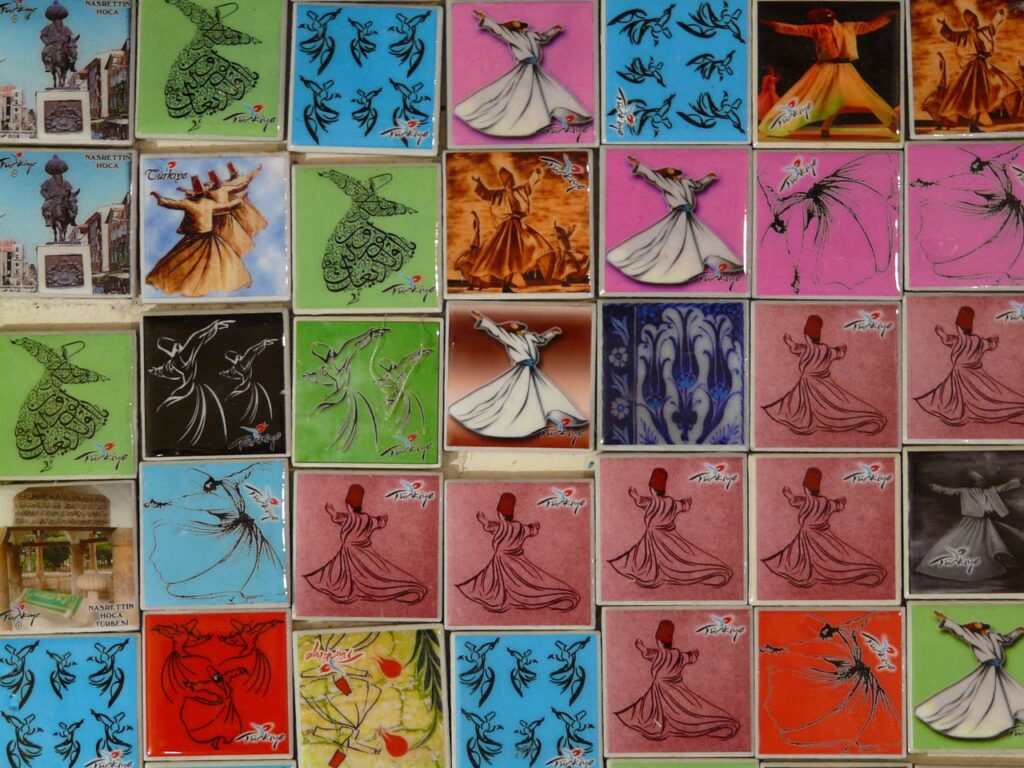
The evil eye, known locally as nazar, is Turkey’s most recognizable symbol, found in glass, ceramics, and jewelry. Blue glass eyes, bracelets, and charms make charming, inexpensive souvenirs, and they carry a genuine cultural meaning of protection.
Turkish jewelry ranges from delicate silver pieces to gold designs, with a strong tradition in the bazaars. Antique-style pieces and the intricate work of Ottoman design are popular, and prices are generally good compared to Western shops.
For jewelry, buy from established jewelers who weigh and certify gold, and remember that bargaining has a place in bazaar jewelry shopping. A simple silver bracelet or a nazar pendant is a keepsake you will wear for years.

Where to Shop and What to Avoid
The Grand Bazaar and the Spice Bazaar are the famous venues, but prices there are set with tourists in mind. Neighborhood markets, artisan workshops, and the shops of provincial cities often offer better value and more genuine craftsmanship.
Avoid the cheapest trinkets, which are usually mass-produced imports, and be wary of fake antiques and “genuine” carpets sold at impossibly low prices. If a deal seems too good, it almost certainly is.
Shopping in Turkey is social. Take your time, accept the tea that is offered, ask questions about how things are made, and compare prices before committing. The experience is part of the souvenir.
Packing and Bringing Souvenirs Home
Plan for your purchases from day one. Leave space in your suitcase, pack a foldable bag, and keep fragile items near the center of your luggage, wrapped in clothing. Shops will often wrap large items for travel on request.
Know your customs limits before you buy. Most countries allow personal quantities of food, textiles, and crafts without issue, but carpets, large quantities of tea, and some food products may need declaring.
For very large items, like carpets or furniture, consider shipping them home from the shop. Many dealers arrange international shipping routinely, and this is often the safest way to get a precious purchase home intact.
Souvenirs by Region
Each region of Turkey has its own specialties, and shopping as you travel rewards you with genuine finds. Istanbul is the great bazaar city, with everything from carpets to ceramics. Cappadocia is known for its pottery, especially the clay wares of Avanos, and its onyx carvings.
The Aegean and Mediterranean coasts offer natural sponges, olive oil soap, and local honey, while the Black Sea region produces excellent tea, hazelnuts, and honey. The east contributes copperware from Gaziantep, the pistachios of Sanliurfa, and the felt crafts of the highlands.
Shopping regionally is not just about variety; it is about authenticity. A copper pot from Gaziantep or tea from the Black Sea carries the story of its home, which makes the souvenir infinitely more meaningful than a generic bazaar trinket.
Supporting Local Artisans
The most rewarding purchases are those that support the people who make them. Artisan cooperatives, workshop shops, and village markets sell goods made by hand, often by families who have practiced their craft for generations.
Buying directly from makers means fairer prices for them and better prices for you, with the added joy of meeting the hands behind the work. Many workshops welcome visitors, and watching a potter or weaver at work turns a purchase into a memory.
A simple test of authenticity: ask who made the item and how. If the answer is specific and proud, you have found something worth carrying home. If it is vague, you are probably looking at a souvenir that never knew Turkey at all.
Frequently asked questions
What is the best souvenir to buy in Turkey?
The best souvenirs are things you will use: ceramics, kilims, textiles, spices, tea, or jewelry. Choose quality over quantity, buy from makers and established shops, and pick items that evoke your trip. The evil eye is the classic small keepsake.
Is bargaining expected in Turkish markets?
Yes, in bazaars and markets, bargaining is normal and expected, especially for carpets, jewelry, and souvenirs. Start politely at a lower price and meet in the middle. In shops and supermarkets, prices are fixed and bargaining is not appropriate.
Can I bring Turkish food products home?
Generally yes, for personal use, but check your country’s customs rules first. Dried spices, tea, coffee, and packaged sweets like lokum usually pass easily, while fresh food and large quantities may be restricted. Declare your purchases when required.

All Over Information
The All Over Information editorial team researches and writes practical English-language guides to Turkey. Facts are checked against official and local sources before publication, prices are published as dated ranges rather than quotes, and guides are revised when things change. We accept no sponsored posts, paid placements or paid links.
More guides like this

Can Vegetarians and Vegans Eat Well in Turkey?
Yes, and better than in most places. Turkey's cuisine is built on vegetables, legumes, grains, and olive oil, with a vast tradition…

What Are Common Scams to Avoid in Istanbul?
Istanbul is a safe and wonderful city, and the vast majority of its people are honest and generous, but like every major…

What Vaccinations Do I Need Before Visiting Turkey?
For most travelers, the vaccination list for Turkey is short and standard.

What Is the Dress Code for Women Traveling in Turkey?
The short answer is that Turkey has no legal dress code for women, and you will see local women dressed in everything…

Is English Widely Spoken in Turkey?
The short answer is that English is widely spoken in Turkey's tourist areas, but it is not a country where you can…

Is It Customary to Remove Shoes When Entering a Turkish Home?
If you are invited to a Turkish home, the first question that crosses your mind at the door is probably about your…