Bebek is a serious eating destination disguised as a pretty village. The waterfront sets the city’s brunch standard, the fish restaurants supply the Bosphorus catch, the back streets hold the meyhanes and the pide ovens, and the patisseries close the day with the classics of the Turkish sweet tradition. For the food lover, Bebek is a concentrated tour of Istanbul’s kitchen — the glamorous and the humble, the historic and the new, all within a few hundred meters of the water.
The Brunch Standard
Bebek’s brunch is the meal that defined the genre in Istanbul, and the waterfront cafés still set the bar. The spread is a full Turkish breakfast elevated to an art form: eggs in every style, the white cheeses and the aged kaşar, olives from the Marmara and the Aegean, honey and kaymak, the pastries and the breads, and tea that keeps coming. The setting — the table on the water, the ferries crossing, the morning light — is as much the dish as the food itself. For the foodie, the mission is to taste the brunch that the whole city imitates, at the source.
The Fish of the Bosphorus
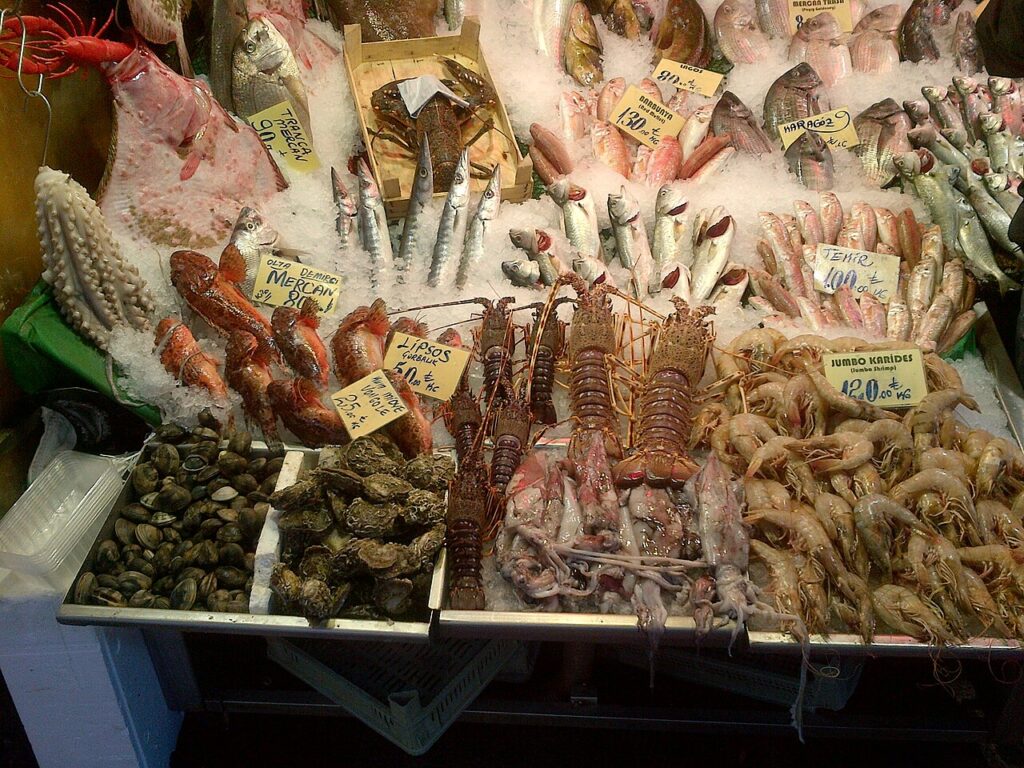
The strait supplies the village’s dinner tables, and the fish restaurants know exactly what the season brings. The Bosphorus is famous for the bonito in autumn, the bluefish in winter, the anchovy and the sea bass through the year, and the menus follow the catch. The classic meal is the meze procession followed by the whole grilled fish — simple, honest, the fish the star. Ask what came in that morning, and let the waiter recommend: the seasonal catch is the whole point of eating on the Bosphorus.
The Meyhane Tradition
The back streets hold Bebek’s meyhanes, the taverns where meze is the main event and the evening is the occasion. The meze list is the map of Turkish home cooking: the white beans in oil, the haydari yogurt with herbs, the fried calamari, the liver, the octopus salad, the seasonal vegetables done a dozen ways. The rakı comes with water and ice, the conversation rises, and the table fills with small plates that demand to be shared. A meyhane evening is the most complete food experience Bebek offers — the cuisine, the culture, and the company together.
The Daily Bread: Simit and Pide
The village’s daily food runs through the bakeries, and the foodie’s morning starts at the queue. The simit — the sesame bread ring of Istanbul — is best fresh from the oven, torn apart and dipped in tea. The pide ovens produce the boat-shaped flatbreads with cheese and egg, with minced meat, with sucuk, baked in the wood-fired ovens and served straight to the table. These are the humble anchors of the village’s kitchen, and for the food lover they are the essential counterweight to the waterfront glamour.

The Coffee Culture
Bebek has become a serious coffee destination, and the back streets are lined with the roasters and the specialty bars that the residents take seriously. The filter coffee is the new craft, and the baristas know their beans; the Turkish coffee, brewed in the cezve with the foam on top, is the old craft, and the village does it properly. Take the Turkish coffee the traditional way — with a glass of water and a piece of lokum — and save the filter coffee for the afternoon. The coffee culture of Bebek is the village’s modern food story, and it is a good one.
The Sweet Endings
The dessert tradition of Bebek runs through the patisseries, and the sweet endings are not to be skipped. The baklava comes with pistachio, the künefe with its hot cheese and syrup, the rice pudding with its caramelized top, and the cakes of the French-inspired patisserie tradition that Istanbul has made its own. Take the sweets with Turkish coffee, the village’s preferred closing ritual, and let the meal end slowly. The patisseries also make the best gifts — a box of baklava or a jar of honey carries the village home.

The Foodie’s Route
For the perfect food day in Bebek, follow this route. Start with simit from the bakery queue, eaten on the promenade with the morning light. Mid-morning, a Turkish coffee at a waterfront table, watching the ferries. Lunch at a pide oven in the back streets — the wood-fired flatbreads, the local price. Afternoon, a filter coffee at a specialty bar, with a slice of cake from the patisserie. Evening, the meyhane: the meze procession, the rakı, the conversation. And if the appetite survives, the fish table by the water, with the catch of the day and the lights on the strait.
The Seasonal Tasting Calendar
The foodie’s calendar in Bebek follows the Bosphorus and the markets. Spring brings the wild greens of the hillside — the herb meze, the salads of the season. Summer brings the lighter dishes, the cold meze, the long evenings. Autumn brings the bonito run, the first of the big fish of the season, and the meyhanes fill. Winter brings the bluefish, the hearty stews, and the chestnuts of the street corners. The patisseries follow the seasons too — the fruit desserts of summer, the heavier sweets of winter, the holiday specialties of the calendar. Eating across the year in Bebek is a seasonal education, and the foodie who returns through the seasons eats the whole story of the Bosphorus kitchen.

The Coffee Journey
The coffee culture of Bebek deserves its own tasting journey. Start with the traditional Turkish coffee — brewed in the cezve, the foam on top, served with water and lokum — at the old-style café where the residents gather. Then cross to the specialty roasters of the back streets, where the filter coffees and the single origins are brewed with the precision of the new craft. The two traditions sit side by side in the village, and the contrast is the story: the old ritual of the cezve and the new ritual of the pour-over, both served to the same village. Take the journey in one afternoon, Turkish coffee first, and you have tasted the full arc of Turkish coffee culture in a single walk.
The Food Markets Nearby
The foodie’s Bebek extends beyond the village to the markets of the surrounding neighborhoods, and the short trips round out the tasting. The Beşiktaş fish market, twenty minutes south, is where the village’s restaurants buy their catch — the counters of gleaming fish, the vendors calling the prices, the seasonal bounty of the strait. The Kadıköy market across the water is the great food market of the Asian side, with its produce, its spices, and its legendary street food. The spice shops of the old city, a ferry and a tram away, supply the za’atar, the sumac, and the pepper pastes that season the village’s tables. The day trips are short, and the market visits turn a Bebek food tour into a tour of the whole city’s kitchen.
The final foodie note is the honesty of the food. The best meals in Bebek are the ones that do not try to be anything but themselves: the simit fresh from the oven, the pide from the wood-fired oven, the fish grilled whole with lemon, the meze made the way the family recipes dictate, the baklava with the pistachio green and the syrup running. The village’s kitchen has no need of fusion or novelty — it has the Bosphorus for an ingredient list and centuries of practice. Eat the classics, trust the queues, and let the food be exactly what it is. In Bebek, that is more than enough.
The Takeaway
Bebek is a foodie’s village in miniature: the brunch that defined a genre, the fish of the strait, the meyhane tradition, the daily bread, the coffee craft, and the sweet endings — all within a short walk of the water. Eat at every level, from the bakery queue to the waterfront table, and you have eaten the story of Istanbul’s kitchen. Bring an appetite, and bring time: the village’s meals are meant to be lingered over.
Frequently asked questions
What food is Bebek famous for?
Brunch, first and foremost — the waterfront cafés set the city’s standard. The fish of the Bosphorus and the meyhane tradition are the other great local specialties.
What is the best time to eat in Bebek?
Morning for the bakery and brunch, midday for the pide, afternoon for coffee, and evening for the meyhane or the fish table.
Is Bebek good for a special dinner?
Excellent — the waterfront fish restaurants and the back-street meyhanes both make memorable evenings, at very different prices.
What should I take home from Bebek?
Baklava from the patisseries, honey, Turkish coffee, and spices from the shops — all classic Turkish gifts that travel well.
What is the signature drink of Bebek?
Turkish coffee in the traditional style, and the specialty filter coffee of the back-street roasters — the village serves both sides of the coffee story.
When is the best time for a food tour of Bebek?
Start mid-morning with the bakery and brunch, move through coffee and pide at midday, and finish with the meyhane in the evening.

All Over Information
The All Over Information editorial team researches and writes practical English-language guides to Turkey. Facts are checked against official and local sources before publication, prices are published as dated ranges rather than quotes, and guides are revised when things change. We accept no sponsored posts, paid placements or paid links.
More guides like this

48 Hours in Bebek: The Perfect Itinerary
Bebek is small — you can walk its entire length in fifteen minutes — but it rewards slow exploration, and forty-eight hours…

Nightlife Guide to Bebek
Bebek's nightlife is not the club scene of Beşiktaş or the bar crawl of Karaköy — it is something rarer and, in…

Bebek Airport and Transport Guide
Bebek's position on the European shore of the Bosphorus makes it one of the more accessible villages in Istanbul, and the journey…
The Best Day Trips from Bebek
Bebek sits at the center of the Bosphorus, and the whole strait is its backyard.


A First-Timer’s Guide to Bebek
Bebek is the Bosphorus village that Istanbul keeps for itself.