The Istanbul Film Festival has grown from a small cinematic gathering into one of the most important cultural events in Turkey and a landmark of the international festival calendar. For more than four decades, it has brought world cinema to Istanbul every spring, shaped the taste of Turkish audiences, and carried Turkish film to the world. Understanding the festival’s history reveals a great deal about modern Turkey itself, its cultural ambitions, and the central place of cinema in its artistic life. This guide traces the origins of the festival and the meaning it holds today.
The Origins of the Festival
The festival was born in the early 1980s, a period of great change in Turkey. After the political turmoil of the late 1970s, the country was re-emerging onto the international stage, and culture was seen as a bridge to the outside world.
The Istanbul Foundation for Culture and Arts, known by its Turkish initials, was founded in the early 1970s with the aim of bringing world culture to the city. Its first great project was the Istanbul Festival of music and the arts, which had been running for a decade when the film festival was added.
The film festival began modestly, as a section within the broader festival, showing a selection of international films over a short period. The response was immediate and enthusiastic, and the cinema programme quickly outgrew its place within the larger event.
By the late 1980s, the film festival had become an independent event with its own identity, its own competition, and its own devoted audience. The foundations of the modern festival were laid in that first decade.
Growing into a Major Event
The 1990s saw the festival expand rapidly in every direction. The programme grew, the venues multiplied, and the international film world began to take the event seriously as a place to present films and to discover new audiences.
The festival’s competition sections took shape during this period, and the awards began to attract international attention. Directors whose careers started on the festival circuit went on to win prizes at the major European festivals.
The audience grew with the event. Istanbul’s cinemagoers, always passionate, embraced the festival as the cultural highlight of the year, and the screenings became annual rituals for a whole generation.
By the turn of the century, the festival had become a fixture of the international calendar, a meeting point between the cinemas of Europe, the Middle East, and Asia, in a city that sits at their crossroads.

The Festival and Turkish Cinema
The relationship between the festival and Turkish cinema is at the heart of its meaning. The festival has been the principal showcase for Turkish films at home, giving domestic productions their first and most important public platform.
In the 1990s and 2000s, Turkish cinema experienced a remarkable revival, and the festival accompanied it at every step. The new generation of directors who transformed Turkish film found their first audiences in the festival’s screenings.
The festival’s Turkish section has also been a gateway to the world. Films shown in Istanbul have gone on to compete at Cannes, Venice, and Berlin, and the festival’s selection has become a marker of quality for international distributors.
For Turkish filmmakers, the festival is more than a showcase. It is the place where the national cinema measures itself, where new talents are discovered, and where the conversation about the country’s film culture takes place.
The Festival as Cultural Bridge
Istanbul has always been a city between worlds, and the festival embodies that position. It has brought the cinemas of Europe, the Americas, the Middle East, and Asia to Turkish audiences, and it has carried Turkish culture outward.
The festival’s programme has been deliberately international, and its retrospectives and tributes have introduced Turkish audiences to the great directors of world cinema. For many film lovers in Turkey, the festival has been their education in cinema.
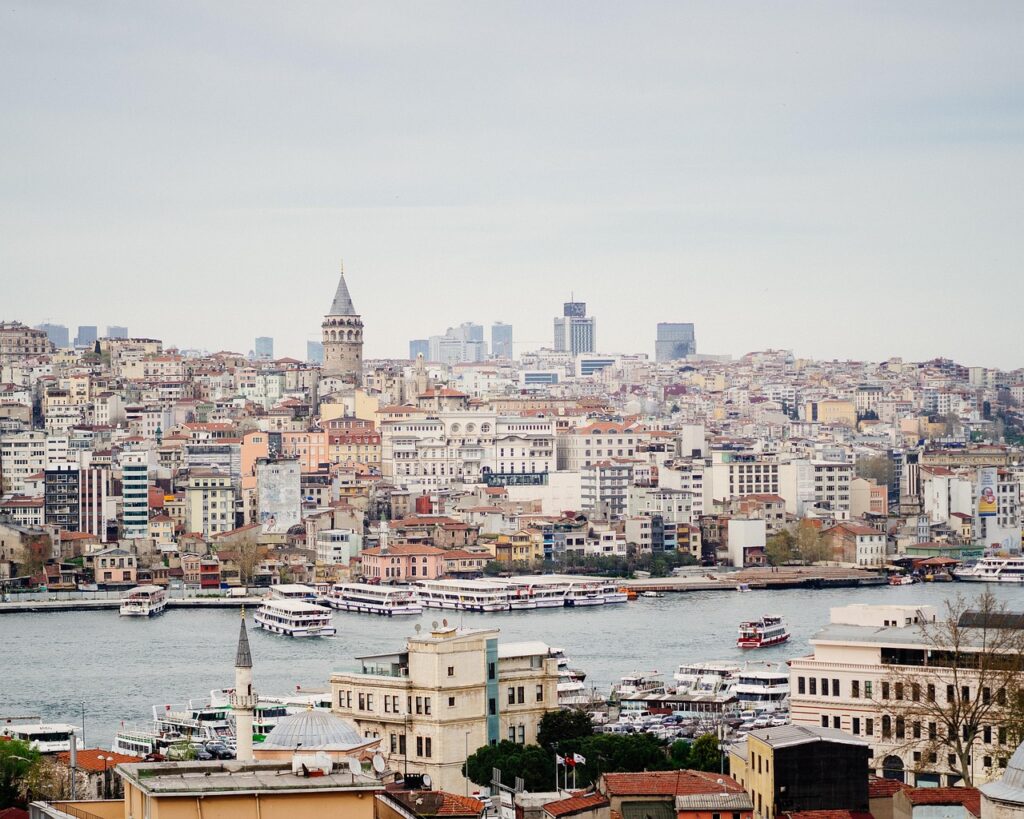
At the same time, the festival has given international visitors and professionals a window onto Turkish culture. The city itself becomes part of the festival, and the screenings are inseparable from their setting on the Bosphorus.
This bridging role is the festival’s deepest meaning. In a city that connects continents, the festival connects cultures, and cinema is the medium that makes the connection possible.
The Competition and the Awards
The festival’s competition sections have defined its identity. The international competition brings together a selection of the year’s most interesting films, judged by a jury of international film professionals.
The festival’s principal awards have gained real prestige. The Golden Tulip, the festival’s top prize, has been awarded to films and directors who went on to international acclaim, and winning in Istanbul has become a respected distinction.
Beyond the main prize, the festival awards honours for direction, acting, and craft, and it has maintained a special relationship with young cinema through its audience awards and its emerging talent sections.
The awards give the festival its edge of excitement. The announcement of the winners closes the event each year with a ceremony that is as much a part of the festival’s identity as the screenings themselves.
The Festival’s Changing Face
The festival has changed with the times. The digital revolution transformed the cinema industry, and the festival has adapted, embracing new technologies while holding fast to the communal experience of the cinema.
The programme has broadened to include series, podcasts, and new media, alongside the traditional feature films. The festival has also become more international in its focus, reflecting the globalisation of the film world.
At the same time, the festival has deepened its commitment to Turkish cinema, and the domestic programme has grown in importance within the event. The balance between the global and the local is the festival’s constant negotiation.
The audience has changed too, with a younger, more diverse generation of cinemagoers taking the place of the festival’s founding audience. The festival renews itself with each generation, and that renewal is part of its vitality.
The Festival and the City
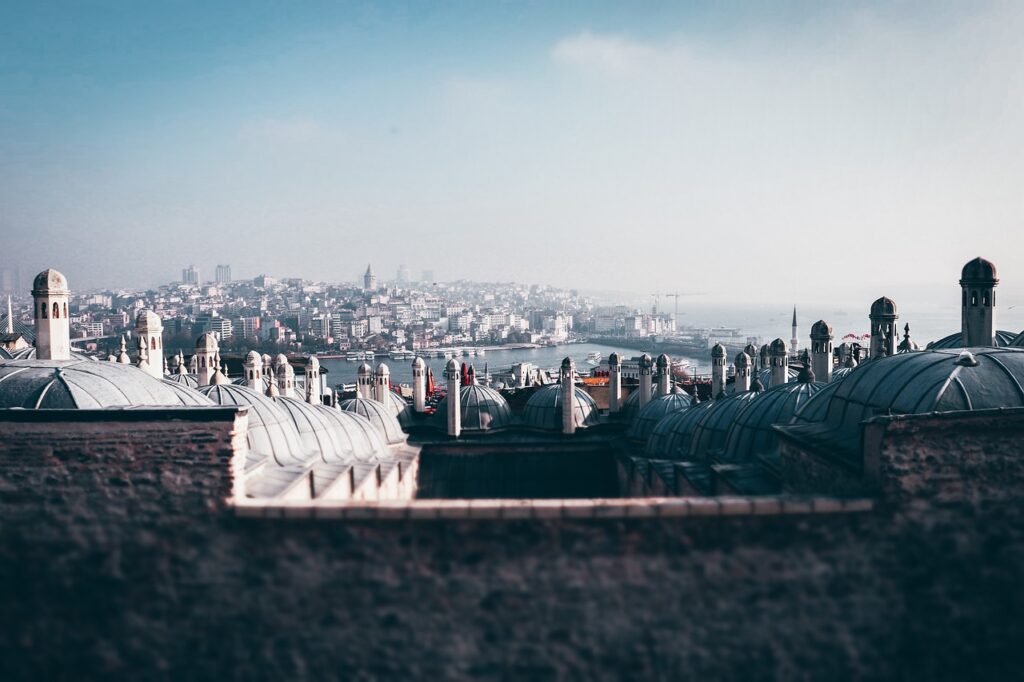
The festival and the city of Istanbul are inseparable. The screenings take place in the historic heart of the city, and the cinema buildings are part of its cultural geography.
The festival has also shaped the city’s cultural life. It has trained generations of film lovers, supported the careers of filmmakers, and contributed to the growth of a film industry and a film culture in Istanbul.
For the city’s inhabitants, the festival is a date in the calendar, a marker of spring, and a source of pride. The city measures its cultural standing partly through events like this one.
The festival also brings the city to the world. The images of Istanbul that travel through the festival, the films shot in its streets, and the visitors who return with their memories all carry the city’s reputation outward.
The Meaning of the Festival Today
Today the Istanbul Film Festival stands at the centre of a vibrant cinema culture. Turkey’s film industry is among the most productive in Europe, and the festival is its annual gathering point.
The festival’s meaning has deepened with time. It is a celebration of cinema, certainly, but it is also a statement about the importance of culture, of open exchange, and of international connection.
In a region of great change, the festival is a constant. Year after year, it brings the world’s films to Istanbul, and it does so with a confidence that reflects the city’s long history as a meeting place of civilisations.
For the film lover, the festival is one of the great annual events of the cinema calendar. For the visitor, it is a door into the cultural life of one of the world’s most fascinating cities.
The Festival Experience
The meaning of the festival is ultimately found in the experience of attending it. The queues, the crowds, the packed screening rooms, and the discussions spilling into the cafes all make up the festival’s living character.
The festival’s screenings have a particular atmosphere. The Istanbul audience watches with attention and responds with warmth, and the presence of filmmakers at their own screenings adds a layer of immediacy.
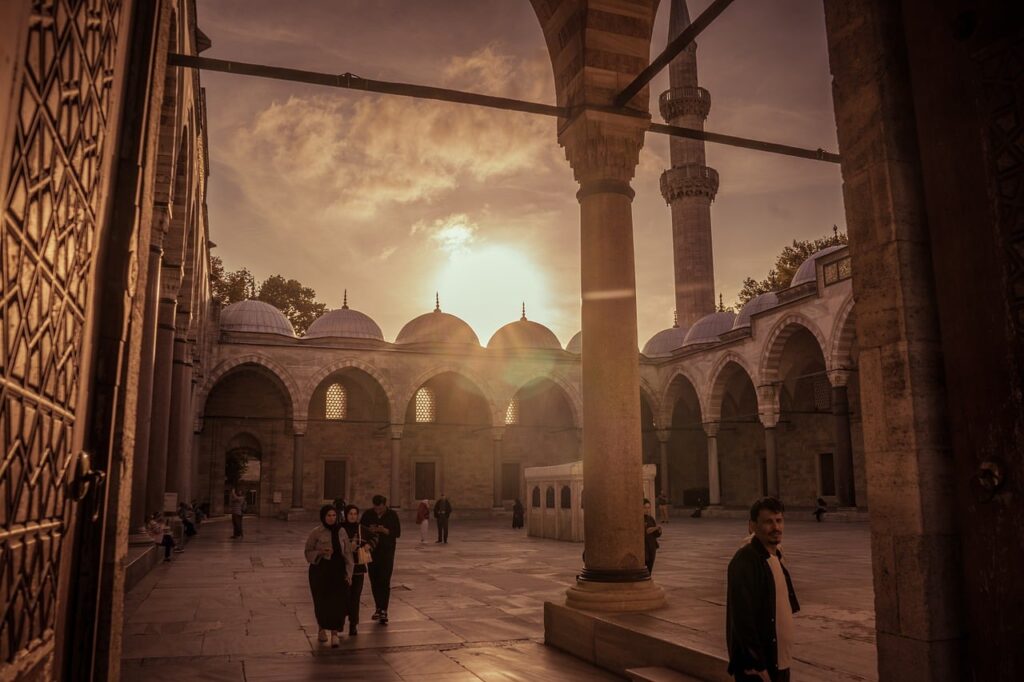
The festival is also a social event, a time when the city’s cultural life gathers in the same district for two weeks. The streets around the main venues fill with the festival’s audience, and the atmosphere is festive.
To attend the festival is to take part in something larger than the films themselves. It is to join a community that gathers every spring to celebrate cinema, and to do so in one of the world’s most storied cities.
A Festival with a Future
The festival looks forward as much as it looks back. Each year it presents the newest cinema, the emerging talents, and the films that will define the coming years of the art form.
The festival’s support for young cinema is one of its defining commitments. Its programmes for new filmmakers have become a first step for many careers, and the festival takes pride in that role.
The festival also continues to renew its relationship with the city, expanding into new venues and new districts, and reaching new audiences. Its growth has been steady and sustainable.
After more than four decades, the Istanbul Film Festival remains what it was at its founding: a bridge between the cinemas of the world, a showcase for Turkish film, and a celebration of the art that Istanbul has always loved.
Frequently asked questions
When was the Istanbul Film Festival founded?
The festival began in the early 1980s as a cinema section within the broader Istanbul Festival of arts and culture. It grew rapidly into an independent event and had established its own competition and identity by the end of that decade.
What is the main prize of the festival?
The festival’s top prize is the Golden Tulip, awarded in the international competition section. The festival also gives awards for direction, acting, and craft, and it maintains audience awards and programmes for emerging filmmakers.
Why is the festival important for Turkish cinema?
The festival is the principal showcase for Turkish cinema, giving domestic films their most important public platform and introducing them to international distributors. It has accompanied the revival of Turkish film since the 1990s and is a gateway for Turkish directors to the major European festivals.

All Over Information
The All Over Information editorial team researches and writes practical English-language guides to Turkey. Facts are checked against official and local sources before publication, prices are published as dated ranges rather than quotes, and guides are revised when things change. We accept no sponsored posts, paid placements or paid links.
More guides like this

Experiencing Kirkpinar Oil Wrestling as a Foreign Visitor
Every summer, the old Ottoman capital of Edirne hosts the world's oldest continuously held sporting event: the Kirkpinar Oil Wrestling Festival.

The History and Meaning of Eid al-Fitr Celebrations
Eid al-Fitr, known in Turkey as Ramazan Bayramı or the Sugar Holiday, is the festival that closes the month of Ramadan and…

The History and Meaning of the Efes Pilsen Blues Festival
The Efes Pilsen Blues Festival is one of the great survivors of the European music calendar, a festival that has brought the…

When and Where to See Hidirellez Spring Festival
Hidirellez, the great spring festival of Turkey and the Balkans, falls on May 5 and 6 every year, and it is celebrated…
When and Where to See the Istanbul Film Festival
The Istanbul Film Festival fills the cinemas of the city every April with the best of world and Turkish cinema, and attending…

Experiencing Hidirellez Spring Festival as a Foreign Visitor
On the night of May 5 and the day of May 6, communities across Turkey celebrate Hidirellez, the great spring festival that…