Stand among the dark pines of the Kaz Mountains and you understand why the ancients set their gods here. Rising along the border of Canakkale and Balikesir provinces in northwestern Turkey, the range the Greeks called Mount Ida is one of the country’s most celebrated natural wonders. Homer placed the gods on its summit as they watched the Trojan War unfold below, and myth located the infancy of Zeus in its caves. Beneath the legends lies a real landscape of exceptional richness: forests of the endemic Kazdagi fir, cold streams, mountain villages, and air so clean that locals call the mountain the country’s oxygen source.
A Mountain Born in Legend
The Kaz Mountains run along the border of Canakkale and Balikesir provinces, a wall of forested ridges rising from the Aegean coast of the Biga Peninsula. To the Greeks of antiquity this was Ida, and Homer’s Iliad has Zeus himself watching the war from its heights. One tradition says the infant Zeus was hidden in a cave here, and the judgment of Paris, the prince who chose Aphrodite on Ida’s slopes, set the Trojan War in motion.
The Turkish name, Kazdaglari, means goose mountains, a name explained by folk tales of migrating flocks and by the shape of the ridges. Either way, the old identity never vanished: the Ida of the classical world is still the forested range you see today.
Long before the stories were written down, the mountain was a borderland and a meeting point. Its passes connected the Aegean coast with the inland plains, its foothills overlooked the Trojan plain, and its springs supplied the settlements below. It was a natural fortress, a water tower, and a landmark for sailors.
Air and Water: The Mountain’s Gifts
The Kaz Mountains have a reputation that precedes them: locals call the air here among the cleanest in Turkey, and the range has long been described as an oxygen factory. The combination of dense forest, altitude, and sea breezes keeps the air fresh, and the phrase is now part of the region’s identity.
The mountain is also a source of water. Springs rise throughout the forest, feeding the creeks that tumble toward the Edremit plain and the Aegean beyond. One of the most popular stops is the small waterfall of Sutuven, where a footpath leads through the trees to the falls, an easy walk most visitors manage in under an hour.
These two gifts, air and water, explain much of the mountain’s popularity. People come for the walks, the picnics, the summer cool, and the famous local honeys, and they return again and again.
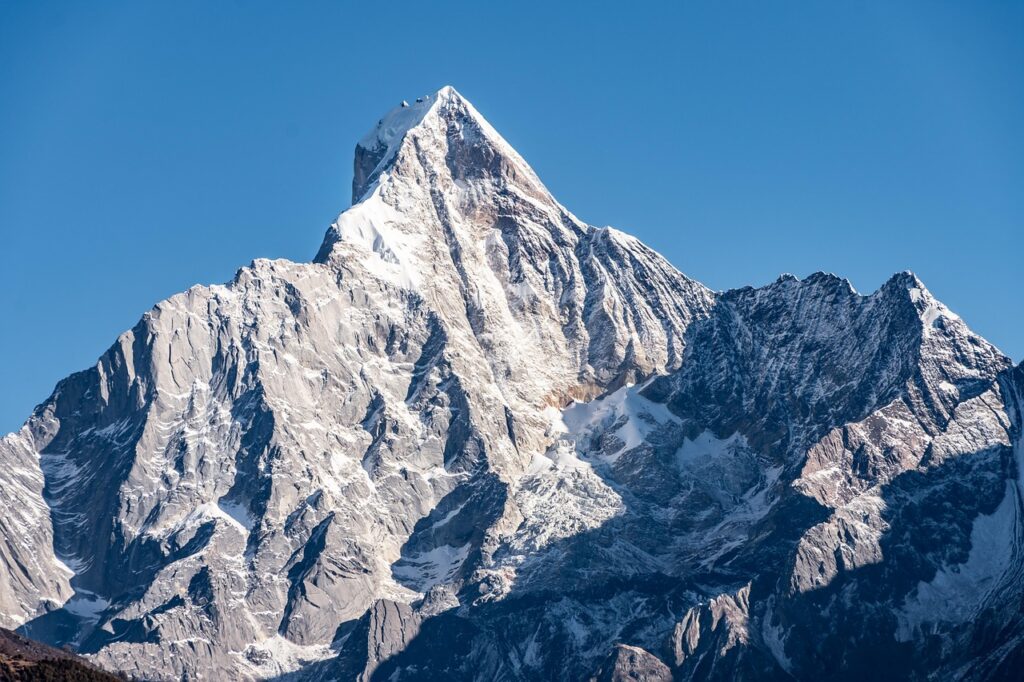
The Forest of the Kazdagi Fir
The botanical star of the Kaz Mountains is the Kazdagi fir, a tree found nowhere else on earth. A relative of the Caucasian fir, it grows on the upper slopes, where its dark spires and grey-green needles give the high forest its character. Botanists consider it one of Turkey’s most important endemic trees, and this mountain is its only home.
Below the fir zone, the forest changes with altitude: beech, hornbeam, chestnut, and oak cover the lower slopes, while maquis and olive groves take over as you drop toward the coast. Scientists have recorded hundreds of species here, many endemic, making Kazdagi one of the most botanically valuable corners of the Aegean region.
Spring brings an explosion of colour, with wild peonies, orchids, and anemones in the undergrowth. Because the range rises so directly from the sea, the plant life changes noticeably at every hundred metres of elevation.
Wildlife of the High Country
The forests shelter a healthy list of mammals, from wild boar and roe deer to wolves and brown bears. Most are shy and rarely seen, but their tracks and occasional calls remind walkers that this is a working wilderness rather than a garden.
Birdlife is richer still. Birds of prey circle over the ridges, woodpeckers drum in the old beech stands, and in migration seasons the range acts as a green corridor for birds moving along the coast. Butterflies and dragonflies fill the clearings, and naturalists love the mountain.
The presence of large predators is a sign of the forest’s health, but it carries a simple warning: walk with company, keep food secured, and give wild animals space. The bears of Kazdagi are wild, and the usual bear-country rules apply.

Sarikiz and the Summits
The upper country is dominated by Sarikiz Hill, the highest point of the range, rising to around seventeen hundred metres. The name comes from a famous legend: Sarikiz, a young shepherdess of great beauty, lived alone on the mountain, and her story of hardship and quiet devotion culminates in an August festival in her honour.
The true highest point, Kartal Tepe, is only slightly higher, and both summits offer sweeping views. On clear days the panorama reaches the Aegean Sea, the islands of the Gulf of Edremit, and the forested ridges of the Biga Peninsula.
Near the top, a rocky formation known as the Zeus Altar recalls the mountain’s classical past. Reaching the summit takes a full day and proper shoes, but the reward is ridge after ridge of dark forest dropping toward a glittering sea.
The Mountain Villages
On the southern slopes, the villages of Adatepe and Yesilyurt are the region’s best-known gateways. Their stone houses, tiled roofs, and narrow lanes were built over centuries of shared life, and recent restoration has made local olive oil the area’s calling card.
Adatepe sits on the old road above the plain, its taverns serving the famous olive oil and its stone streets climbing toward the forest. Yesilyurt, higher up, offers a different atmosphere, with its church turned cultural house and an olive oil museum.
The villages are the natural base for visiting the mountain. From them, forest roads and footpaths lead toward the summits, the waterfall, and the fir forests, and local producers give you a taste of the mountain before you set foot on a trail.

Kazdagi National Park
In 1994 the Turkish government declared the heart of the Kaz Mountains a national park, protecting the finest forests and giving the range an official conservation framework. The park covers the central ridges, the fir forests, and the headwaters of the streams.
Entry is straightforward: there is no ticket barrier in the usual sense, and much of the mountain can be explored freely. The park’s role is protection rather than admission, and visitors are expected to keep to paths, camp only in designated areas, and carry out what they carry in.
The designation means two things: the landscape you walk through is genuinely protected, and the infrastructure, including signposted trails and picnic areas, is steadily improving. Respect the rules, and the park repays you with unspoiled forest walking.
Hiking and Outdoor Pursuits
Walking is the classic way to experience the Kaz Mountains, and the routes span every level. The easiest options are the short forest walks from the villages: the path to Sutuven waterfall, the trails through the olive groves, and the gentle climbs into the beech woods.
More ambitious walkers head for the summits. The route to Sarikiz Hill takes a full day and solid fitness, climbing through forest and across open slopes to the high ridges. Guides are available, and on the August festival weekend the summit becomes a local pilgrimage.
Beyond walking, there is mountain biking on the forest roads, picnicking by the streams, and village life of cafes and terrace dinners. The coastal resorts of Akcay and Altinoluk provide the beach half of the holiday.
Seasons and Light
Spring is arguably the finest season. The forest floor fills with flowers, the streams run full, and the air is fresh and cool; April and May bring the most comfortable walking weather, and the villages are quiet.
Summer is the popular season, when the coast bakes but the mountain stays noticeably cooler, the reason so many holidaymakers drive up from the beaches. Autumn spreads warm colours through the forests, while winter brings mist, rain, and occasional snow on the summits.
Whatever season you choose, the light is part of the experience: morning mist in the valleys, golden evenings across the gulf, and long views that change by the hour. For photographers, the mountain delivers all year.
Conservation and the Future
The Kaz Mountains have become a symbol of Turkey’s environmental movement. In recent years, plans for gold mining drew widespread opposition, and the protests turned Kazdagi into a national byword for conservation.
The national park, the endemic species, and the growing ecotourism economy all argue for protection. Today the dominant view is that the mountain’s future lies in sustainable use: walking trails, village tourism, organic products, and careful forestry.
For you as a visitor, this history matters. Choosing local guesthouses, buying village produce, and following the park rules all support the mountain’s protection. The Kaz Mountains have survived the gods, the empires, and the arguments; their future is being decided now, partly by you.
Frequently asked questions
How do you reach the Kaz Mountains?
From Istanbul, drive south toward the Gulf of Edremit, a trip of roughly four hours through Canakkale or Balikesir provinces. Buses run to Edremit from Istanbul and Izmir, and local minibuses connect the coastal towns with the villages of Adatepe and Yesilyurt. The mountain is an easy day trip from the Aegean resorts of Akcay and Altinoluk.
What makes the Kazdagi fir so special?
The Kazdagi fir grows nowhere else on earth. It is an endemic subspecies of the Caucasian fir, restricted to the upper slopes of the Kaz Mountains, and botanists regard it as one of Turkey’s most important trees. Its dark, spire-like form dominates the high forest, and the species is protected within the national park as a living symbol of the mountain’s heritage.
When is the best time to visit the Kaz Mountains?
Spring, from April to June, offers the best walking conditions, with cool air, full streams, and the forest floor in flower. Summer stays pleasant on the heights while the coast bakes, and autumn brings beautiful colours and olive harvest activity. Winter sees rain, mist, and occasional snow on the summits, so the upper trails are best left to experienced walkers.

All Over Information
The All Over Information editorial team researches and writes practical English-language guides to Turkey. Facts are checked against official and local sources before publication, prices are published as dated ranges rather than quotes, and guides are revised when things change. We accept no sponsored posts, paid placements or paid links.
More guides like this

How to Visit Koprulu Canyon: Practical Tips
Koprulu Canyon is one of Turkey's easiest great landscapes to visit, sitting within reach of the Mediterranean coast and offering a full…

Best Hiking Trails Around the Cappadocia Fairy Chimneys
Most visitors see the fairy chimneys from a bus window or a balloon basket, but the people who really know Cappadocia see…

The Nemrut Crater Lake: Turkey’s Natural Wonder
Hidden inside a sleeping volcano above the shores of Lake Van, the Nemrut crater lake is one of Turkey's most extraordinary natural…

The Goksu Delta Wetlands: Turkey’s Natural Wonder
The Goksu Delta is a natural wonder that most travelers to Turkey never see, and that is precisely what makes it so…

How to Visit the Cappadocia Fairy Chimneys: Practical Tips
The fairy chimneys of Cappadocia are one of the great sights of Turkey, and visiting them is easier than many travellers expect.

Hot Air Ballooning over Cappadocia: What to Expect
Flying over Cappadocia in a hot air balloon is one of the world's great travel experiences, and it is the reason thousands…