The Kaz Mountains, known in antiquity as Mount Ida, are one of the most beautiful and historic ranges in Turkey. Rising between the Aegean coast and the plains of the north, they are a green world of pine forest, deep valleys, and high pastures, wrapped in legends that go back to Homer. This is the mountain where the gods are said to have watched the Trojan War, and where the forests that built the ancient fleets were cut. Today the Kaz Mountains are protected as a national park, offering walking, village life, and some of the freshest air in the country. This guide covers everything you need to plan a visit.
The Legendary Mount Ida
Mount Ida was one of the most famous mountains of the ancient world. In Homer’s Iliad, it is the sacred mountain above Troy, where the gods gathered to watch the war.
The mountain also appears in the myths of Paris, the Trojan prince who was raised on its slopes by shepherds, and whose judgment of the goddesses led to the war itself.
For the Greeks and Romans, Ida was a place of mystery and power, its forests sacred and its heights the dwelling of the gods.
Standing on the slopes today, with the Aegean glinting in the distance, you understand why the ancients chose this mountain for their stories. The legends gave the mountain a lasting fame, and the name Ida still appears in poetry and history books around the world, always tied to these slopes.
A Forest of Pines and Oaks
The Kaz Mountains are one of the greenest corners of Turkey, and their forests are the heart of their beauty. Tall pines cover the slopes, mixed with oaks and beeches.
The forests are ancient in spirit, and they have been protected for centuries. The famous timber of Mount Ida built ships for the ancient Greeks and later empires.
Walking into the forest, you move through a world of dappled light, mossy ground, and the smell of pine, with the sound of streams rising from the valleys.
The variety of the trees is remarkable, changing with the altitude from the oaks of the lower slopes to the firs and pines of the heights. The forests are also the lungs of the region, and the national park protects them so that the mountain stays green for generations to come.

The Villages of the Kaz Mountains
The villages of the Kaz Mountains are scattered through the valleys, clinging to the slopes among the trees. They are quiet, traditional, and welcoming.
Life here follows the seasons: the olives and chestnuts of autumn, the shepherds of the summer pastures, and the long, calm winters under the snow.
The houses are built of stone and timber, with gardens and orchards, and the pace of life is slow enough to notice the light changing on the hills.
Visitors are welcomed warmly, and a meal in a village house, with local bread, cheese, and honey, is one of the great experiences of the region. The villages are connected by winding roads and old paths, and moving between them, you feel the mountain as a single, living community.
The High Pastures and Valleys
Above the forest, the Kaz Mountains open into high pastures, known as yaylas, where shepherds bring their flocks in the summer months.
The pastures are green bowls of grass ringed by trees, with streams running through and views that stretch to the sea on clear days.
The valleys that cut the range are deep and dramatic, with waterfalls, cold pools, and trails that follow the water through the shade.
Walking from the forest to the pastures is the classic way to experience the mountain, and each step brings a new view of the range. In the pastures, the shepherds still live in simple wooden houses, and their dogs, flocks, and the rhythm of the day are part of the mountain’s atmosphere. In late spring, the pastures are full of wildflowers, and the air above the treeline is clear enough to see the islands of the Aegean.

Hiking in the Kaz Mountains
The Kaz Mountains are crisscrossed by trails, some ancient, some new, and walking is the best way to discover their beauty.
The most popular walks follow the valleys and climb to the high pastures, with routes for every level of fitness and every amount of time.
The trails are generally well defined, and the local villages can provide guides and directions for those who want them.
The walking season runs from spring to autumn, with the meadows at their best in late spring and the light soft and golden in autumn. Several of the trails follow old paths that have been used for centuries, from shepherd routes to the roads of the ancient timber trade. Whichever walk you choose, carry water and a map, because the forest is dense and the paths can be confusing in places.
Waterfalls and Canyons
Water is one of the signatures of the Kaz Mountains, and the range is full of waterfalls, streams, and hidden pools.
The most famous falls lie in the valleys on the southern side, where the water drops through the forest in a series of cascades that are beautiful after rain.
The canyons of the range are dramatic, with walls of rock and green water, and several are reachable by short walks from the villages.
Swimming is possible in some of the pools, and the cold, clear water is a delight on a hot summer day. After the winter rains, the waterfalls are at their most powerful, and the sound of the water fills the valleys for weeks.
Wildlife of the Forest
The forests of the Kaz Mountains shelter a rich wildlife. Deer, bears, and wild boar live in the deeper woods, though they are rarely seen.
Birds are easier to find, with woodpeckers, owls, and birds of prey among the residents of the forest, and migrant species passing through in spring and autumn.
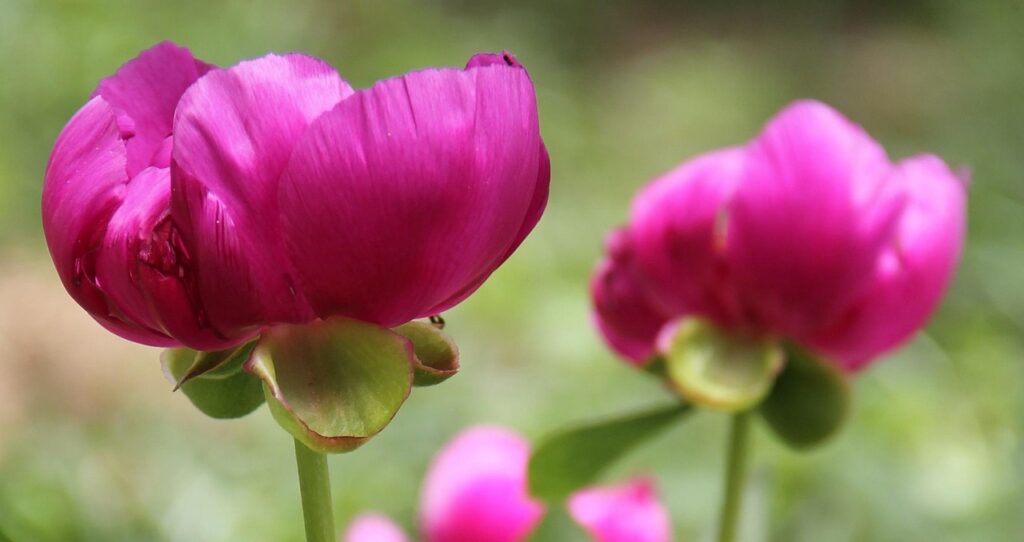
The streams hold trout, and the meadows are full of butterflies and wildflowers through the summer months.
For nature lovers, the mountain is a living museum, and the best times to see its wildlife are dawn and dusk. The forest also holds smaller wonders, from the wild orchids of the meadows to the many species of butterfly that gather around the streams.
The Coastal Connection
The Kaz Mountains rise close to the Aegean coast, and the sea is part of their story. From the high pastures, you can see the islands and the blue water.
The coastal villages at the foot of the mountain, including the ancient city of Assos with its temple on a cliff, are natural partners for a visit to the range.
The contrast between the green mountain and the blue sea is one of the region’s great pleasures, and the drive between them is short and beautiful.
Most visitors combine the mountains with the coast, spending mornings in the forest and afternoons by the sea. The sea breeze rises up the valleys in the afternoons, cooling the forest and carrying the smell of salt and pine together.
Practical Notes
The Kaz Mountains are easy to visit, but a few notes help. The roads are winding, so drive carefully, and the villages have limited services, so plan your fuel.
The weather is cooler than the coast, and rain is possible in any season, so bring layers and a waterproof jacket for the heights.
Accommodation is limited to the villages and the small pensions, so book ahead in the summer season.
Respect the forest and the pastures: take your rubbish away, keep to the paths, and leave the mountain as you found it. The mountain’s air is famously clean, and the Kaz Mountains are sometimes called the lungs of the region, a place for slow days and deep breaths.
Combining the Kaz Mountains with Assos and the Coast
The classic way to explore the region combines the mountain with the Aegean coast. The ancient city of Assos, with its temple and its harbor, lies at the foot of the range.
A day can take in the mountain villages, a valley walk, and the coast, with a swim and a seafood meal at the harbor to finish.
The coastal road along the Aegean is one of the most beautiful in Turkey, with olive groves, bays, and islands visible across the water.
Whether you base yourself inland or on the coast, the Kaz Mountains and the sea together make a complete and memorable journey. The bay of Edremit, below the mountain, is lined with beaches and small resorts, giving you the choice of green hills or blue water every day.
Frequently asked questions
Where exactly are the Kaz Mountains?
The Kaz Mountains lie in northwestern Turkey, between the provinces of Balikesir and Canakkale, close to the Aegean coast. The range rises to just under 1,800 meters, with the highest summit, Karatas Tepesi, above the forest line. The mountain is within easy reach of the coastal towns and the ancient city of Assos, and the national park protects much of its area.
Is Mount Ida the mountain of Greek mythology?
Yes. The Kaz Mountains are the Mount Ida of Greek and Roman mythology, the sacred mountain above the city of Troy. According to the legends, the gods watched the Trojan War from its heights, and the Trojan prince Paris was raised by shepherds on its slopes. The mountain’s forests were also famous for their timber, which built the ships of antiquity.
What is the best way to explore the Kaz Mountains?
The best way is on foot, following the trails through the valleys and up to the high pastures, with the villages as your bases. A rental car helps you reach the trailheads, and local guides add depth to the experience. Combine the mountain with the coast, visiting Assos and the Aegean villages, to see the green range and the blue sea together.

All Over Information
The All Over Information editorial team researches and writes practical English-language guides to Turkey. Facts are checked against official and local sources before publication, prices are published as dated ranges rather than quotes, and guides are revised when things change. We accept no sponsored posts, paid placements or paid links.
More guides like this

Exploring the Pamukkale Thermal Pools: A Complete Guide
Few places on earth look as otherworldly as Pamukkale, where snow-white terraces of hardened mineral water cascade down a hillside in western…

How to Visit Aladaglar National Park: Practical Tips
Aladaglar National Park is one of Turkey's most spectacular mountain destinations, but it is also one of the most demanding to visit…

Best Hiking Trails Around the Nemrut Crater Lake
The trails around the Nemrut crater lake climb through one of the most dramatic volcanic landscapes in Turkey.

Best Hiking Trails Around Koprulu Canyon
Koprulu Canyon is known for rafting, but the walking around the gorge is the region's best-kept secret.

Saffron Farming in Safranbolu
In the hills of northern Turkey, the town of Safranbolu owes its name to a tiny purple flower with three crimson threads:…

Exploring the Nemrut Crater Lake: A Complete Guide
High above the southern shore of Lake Van, a sleeping volcano holds one of Turkey's most extraordinary sights: the crater lake of…