The Byzantine Empire ruled from Constantinople, the city now called Istanbul, for over a thousand years, and its legacy is still written across the modern city’s skyline. The great dome of Hagia Sophia, the mosaic glimmer of ancient churches, the massive land walls, and the cisterns beneath the streets all survive from an empire that fell in 1453. Beyond the monuments, Byzantine law, art, and religion left deep marks on Turkish culture. This guide explores how the Byzantine legacy lives on in Turkey today, from the stones of Istanbul to the nation’s museums and identity.
Who Were the Byzantines?
The Byzantines were the heirs of the Roman Empire in the East. When the western half of Rome collapsed, the eastern empire, with its capital at Constantinople, continued for another thousand years. Its people called themselves Romans, and their civilization preserved Roman law, Greek learning, and Christian faith in a unique synthesis.
Byzantium, as the empire is called by historians, reached its peak under emperors like Justinian in the sixth century, when its territory spanned the Mediterranean and its capital was the wealthiest city in the world. For centuries it was the guardian of civilization in the eastern Mediterranean, holding back invasions and transmitting ancient knowledge.
The empire’s long life shaped everything that followed in the region. Its language, Greek, remained the tongue of administration and culture; its Orthodox Christianity spread across the Slavic world; and its art set standards that echoed for centuries. Understanding Byzantium is essential to understanding the layers of Turkish history.
Constantinople: The City That Never Sleeps
The Byzantine legacy in modern Turkey is inseparable from Istanbul, the city the Byzantines called Constantinople. Founded by Constantine in 330 CE on the site of ancient Byzantion, the city was designed as a new Rome, and it grew into one of the greatest urban centers of the medieval world.
The modern city still rests on Byzantine foundations. The street plan, the harbor, the great squares, and even some of the water systems follow the ancient layout, and beneath the bustling streets lie cisterns, palaces, and the remains of a vanished metropolis. Walking Istanbul is, in part, walking over Constantinople.
The Byzantines gave the city its defining geography: a capital on seven hills, straddling Europe and Asia, protected by the sea on three sides. That strategic genius explains why the city has remained a great metropolis for seventeen centuries, and why it still commands the world’s attention.

Hagia Sophia: The Great Church
The single greatest Byzantine monument is Hagia Sophia, the church of Holy Wisdom built by Emperor Justinian in the sixth century. Its vast central dome, seeming to float on light, was the largest in the world for a thousand years and remains one of the supreme achievements of architecture.
The building’s history mirrors the layers of Turkish culture. For nine centuries it was the cathedral of Orthodox Christianity; after the Ottoman conquest it became a mosque; in the twentieth century it was a museum; and it has recently returned to use as a mosque. Each phase added to the building, and all of them are visible within its walls.
Hagia Sophia is more than a monument; it is a symbol of continuity. Byzantine mosaics glow beside Islamic calligraphy, and the building embodies the exchange between civilizations that defines Istanbul. For visitors, it is the essential encounter with the Byzantine legacy in Turkey.
Churches, Mosaics, and Art
Beyond Hagia Sophia, Istanbul preserves a remarkable collection of Byzantine churches. The Church of the Holy Savior in Chora, with its brilliant mosaics and frescoes, is the finest surviving example of late Byzantine art, its images of the life of Christ and the Virgin among the most beautiful in the world.
Smaller churches survive across the city, many converted into mosques over the centuries. The Church of the Theotokos Pammakaristos, the Monastery of the Pantokrator, and the little Church of Hagia Irene in the outer courtyard of Topkapi Palace all preserve Byzantine structure and decoration, offering quieter encounters with the empire’s art.
The artistic legacy extends beyond churches. Byzantine mosaics, frescoes, and icons established visual conventions that influenced both the Orthodox world and the Islamic lands that inherited Byzantine territory. The golden imagery of Byzantium echoes through the centuries in ways that visitors often sense without being able to name.

Walls and Defense
The Theodosian Walls, built in the fifth century to protect Constantinople, are among the greatest fortifications ever constructed. Stretching for kilometers across the landward side of the city, with towers, moats, and triple defenses, they held off every besieger for a thousand years, making the city virtually impregnable.
The walls tell the story of the empire’s endurance. Byzantium survived attacks from Huns, Avars, Arabs, Bulgars, and Turks, and the walls were the reason. Only the Ottoman cannon of Mehmed the Conqueror finally breached them in 1453, ending the Byzantine Empire after more than eleven centuries.
Today the walls still stand, running through the western districts of Istanbul, and they remain a powerful presence in the city’s landscape. Restoration continues, and sections of the walls are among the most atmospheric places to experience the scale and the resilience of the Byzantine world.
The Hippodrome and Public Life
The Hippodrome, Constantinople’s great chariot-racing stadium, was the center of Byzantine public life. Crowds of tens of thousands gathered to watch the races, and the factions that supported the rival teams became forces in politics, occasionally sparking riots that threatened the throne.
The Hippodrome’s monuments still stand in Istanbul’s Sultanahmet Square. The ancient Egyptian obelisk, the serpent column from Delphi, and the obelisk of Constantine all survive in place, silent witnesses to the ceremonies and dramas of the Byzantine court. The square itself preserves the exact footprint of the ancient stadium.
Public life in Byzantine Constantinople revolved around such spaces: the imperial palace, the churches, the forums, and the hippodrome together formed the stage of empire. The modern square, surrounded by Ottoman mosques and museums, still feels like the heart of the city, exactly as it did in Byzantine times.

Byzantine Law and Administration
The Byzantines made their most enduring intellectual contribution in law. The Corpus of Roman law assembled under Justinian in the sixth century codified centuries of jurisprudence, and it became the foundation of legal systems across Europe. Its influence persists in modern law to this day.
The Byzantine administration was famously elaborate. A complex hierarchy of officials, ceremonies, and procedures governed the empire, and its bureaucratic sophistication allowed a state to survive for a thousand years. The imperial court’s protocols influenced courts across the medieval world.
In modern Turkey, the Byzantine legal and administrative inheritance is part of the layered legal tradition that includes Roman, Islamic, and modern European elements. The Code of Justinian remains a subject of study in law schools, and the Byzantine genius for administration echoes in the enduring institutions of the region.
The Byzantine Legacy in Language and Faith
Byzantium’s deepest legacy in the region is cultural. The empire preserved Greek learning through centuries when Western Europe lost it, and Byzantine scholars carried the classics of philosophy, science, and medicine into the modern world. The Renaissance itself drew on Byzantine manuscripts.
The Orthodox Christian faith, shaped and spread by Byzantium, remains the religion of millions in Turkey’s neighbors, and within Turkey the Ecumenical Patriarchate in Istanbul still represents the Orthodox world. Byzantine hymns, iconography, and theology continue to shape the faith’s expression.
The Greek language of Byzantium also left its mark on Turkish itself. Thousands of words in modern Turkish, from everyday objects to technical terms, derive from Greek, a living linguistic bridge to the Byzantine world. Language, like architecture, carries the empire into the present.

Museums and the Byzantine Collection
Turkey’s museums preserve the Byzantine legacy with exceptional richness. The Istanbul Archaeological Museums hold the great sarcophagi and sculpture of the city, while the Museum of Byzantine and Ottoman heritage in the former palace area displays the treasures of the imperial past.
The mosaics of Hagia Sophia and Chora are preserved in situ, and the Basilica Cistern, the great underground reservoir built by Justinian, has become one of Istanbul’s most beloved attractions. Its forest of columns, reflected in still water, gives modern visitors a glimpse of Byzantine engineering.
The state’s conservation work has been substantial, and Byzantine monuments are protected as part of Turkey’s national heritage. For the visitor, this means the legacy is both accessible and cared for, a vast open-air museum that spans the entire history of the empire.
Byzantine Heritage in the Modern City
The Byzantine legacy is woven into the daily texture of modern Istanbul. Neighborhoods carry Byzantine names, streets follow ancient routes, and the silhouette of the city is defined by Byzantine domes and walls. Residents live among the empire’s stones, and the past is present in ways both grand and subtle.
The legacy also shapes Turkey’s relationship with world heritage. The Byzantine monuments of Istanbul are UNESCO World Heritage sites, and Turkey plays a leading role in their preservation. The empire that once ruled here is presented as an integral chapter of the country’s layered history.
For the modern visitor, the Byzantine legacy offers one of the great travel experiences of Turkey: walking the walls, descending into the cisterns, standing beneath the dome of Hagia Sophia, and feeling the presence of a civilization that shaped the world for a thousand years.
Frequently asked questions
What remains of Byzantine Constantinople today?
Far more than visitors expect. Hagia Sophia, the land walls, the Basilica Cistern, the Hippodrome monuments, and numerous churches, including the Chora with its mosaics, all survive in Istanbul. Much of the modern street plan follows the Byzantine layout, and the city’s museums preserve its treasures. The Byzantine layer of the city is everywhere beneath your feet.
Where can I see Byzantine mosaics in Istanbul?
The finest are in the Chora Church, whose mosaics and frescoes are masterpieces of late Byzantine art, and in Hagia Sophia, where surviving golden mosaics glow beside the Islamic calligraphy. The Archaeological Museums also display Byzantine art. Guided tours help you read these complex images, and all are accessible within the city.
How did the Byzantines influence modern Turkey?
Byzantium shaped the city of Istanbul itself: its walls, monuments, and layout. The empire preserved Roman law, whose influence persists in legal systems, and its Greek language left thousands of words in modern Turkish. Byzantine art and architecture set standards that echoed for centuries, and the empire’s thousand-year history remains a foundational chapter of Turkey’s layered heritage.

All Over Information
The All Over Information editorial team researches and writes practical English-language guides to Turkey. Facts are checked against official and local sources before publication, prices are published as dated ranges rather than quotes, and guides are revised when things change. We accept no sponsored posts, paid placements or paid links.
More guides like this

The Legacy of the Ottoman Conquest of Constantinople in Modern Turkey
Few events in world history carry the weight of May 29, 1453, when the armies of Sultan Mehmed II broke through the…

How the Ancient Greek Ionia Shaped Turkish Identity
Turkey's identity is a mosaic of the many civilizations that have shaped its land, and the ancient Greek Ionia is one of…
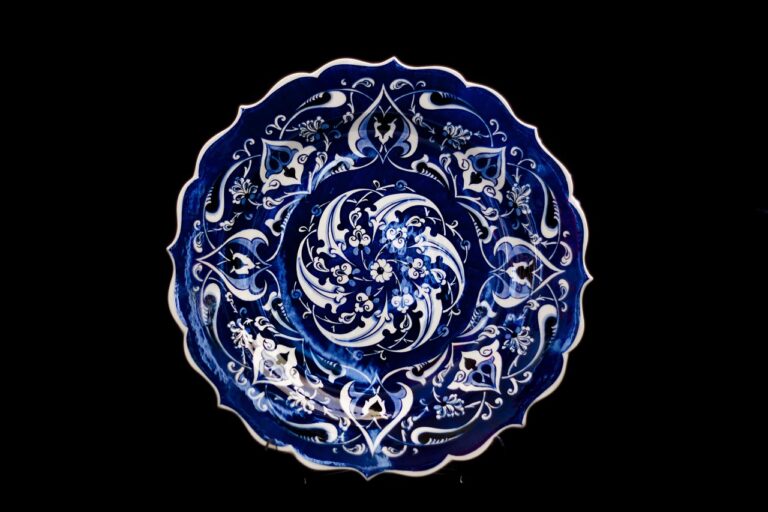
How the Ottoman Tile and Ceramic Tradition Shaped Turkish Identity
You cannot travel far in Turkey without noticing that tiles keep appearing. They cover the walls of imperial mosques, decorate tea houses,…

How the Turkish Republic Era Shaped Turkish Identity
Every nation tells itself a story, and Turkey's story was rewritten in a single generation. When the Republic of Turkey was founded…
The Legacy of the Trojan War Legends in Modern Turkey
The story of the Trojan War is one of the oldest and greatest tales of Western literature, and its setting lies in…

The Legacy of the Phrygian Civilization in Modern Turkey
Somewhere between the Hittite Empire and the classical Greek world, the highlands of central Anatolia belonged to the Phrygians.