The Mediterranean coast of Turkey is one of the most visited stretches of shoreline in the country, yet most travelers never leave the resort strip between the airport and the beach. Turn inland for an hour, take a boat to a cove the tour boats skip, or walk past the souvenir stalls into the back streets of an old town, and you find a different region entirely. These are the places locals keep to themselves: quiet coves, mountain villages, ancient ruins with no ticket booth, and family kitchens serving food you will not find on any menu. This guide collects the best of them, chosen for character rather than fame.
Why the Mediterranean Region Still Has Secrets
The Mediterranean region is deceptively large. Antalya province alone stretches for hundreds of kilometers along the coast, and behind the shoreline the Taurus Mountains rise steeply, cutting the land into valleys that were reachable only on foot or mule for most of history. The rugged terrain is the region’s best guardian.
Tourism concentrates in a handful of hubs: Antalya, Alanya, Side, Kas, and a few others. Between them lie long stretches of coast with small fishing villages, hidden coves, and terraced hillsides that the tour buses pass without stopping. Beyond the coast, whole valleys remain largely untouched by the visitor economy.
What is hard to reach stays unspoiled. A site that demands a gravel road, a hike, or a boat ride will be yours alone even in high summer, when the famous places are shoulder to shoulder. The reward for a little extra effort is a version of the Mediterranean that most visitors never see.
Hidden Coves and Secluded Beaches
The headline beaches of the region are wonderful but crowded, with rows of sunbeds and loud beach clubs. The coast itself, however, is deeply indented: cliffs, headlands, and river mouths create hundreds of small coves, and many of them have no road access at all.
Your options for reaching them are walking, paddling, or boat. Hiking down to a pebble cove at the foot of a gorge, or asking a local fisherman to drop you at a beach he knows, rewards you with water so clear you can count the stones on the bottom. The best coves are often those with a single family-run tea garden rather than a beach club.
The trick is timing and flexibility. The most accessible hidden coves fill up at weekends with local families, so visit on a weekday, go early, and carry water and shade, because the truly unspoiled beaches have no facilities by design. That is exactly why they stay beautiful.

Ancient Ruins Without the Ticket Booth
Beyond the famous sites of Aspendos, Perge, and Side lies a scattering of ancient places that most guidebooks skip entirely. Some are ruined cities half-swallowed by forest, with walls, cisterns, and theaters you can explore freely and often alone.
Rock-cut tombs appear on cliffsides along the whole coast, carved by the Lycians who ruled here long before the Romans. Mountain fortresses sit on peaks above the valleys, and old Roman roads still cross the hills. The great pleasure of these sites is the absence of infrastructure: no ticket booth, no gift shop, just stones, goats, and silence.
You need a bit of research and a willingness to follow rural roads. Asking at a village tea house usually produces directions, and often an escort. Treat every site with respect, take nothing, and you can spend an entire day walking through history without meeting another traveler.
Mountain Villages Above the Coast
The Taurus foothills hide villages where life still follows the seasons: walnut and chestnut harvests in autumn, almond blossom in late winter, and beekeeping through the spring. These villages are an easy day trip from the coast, yet they feel a century away.
Here you find stone houses with flat roofs, village mosques, and terraces overlooking the sea far below. The air is cooler, the pace slower, and the hospitality famously generous. A glass of tea will lead to a tour of the village, an invitation to see the olive press, and possibly a meal that starts with what is in the garden.
Staying overnight in such a village is the deepest version of the experience. Guesthouses are simple, breakfasts are built from eggs, honey, and village bread, and the stars at night are extraordinary. It is the perfect counterweight to a week of beaches.
Canyons and Waterfalls Away from the Crowds
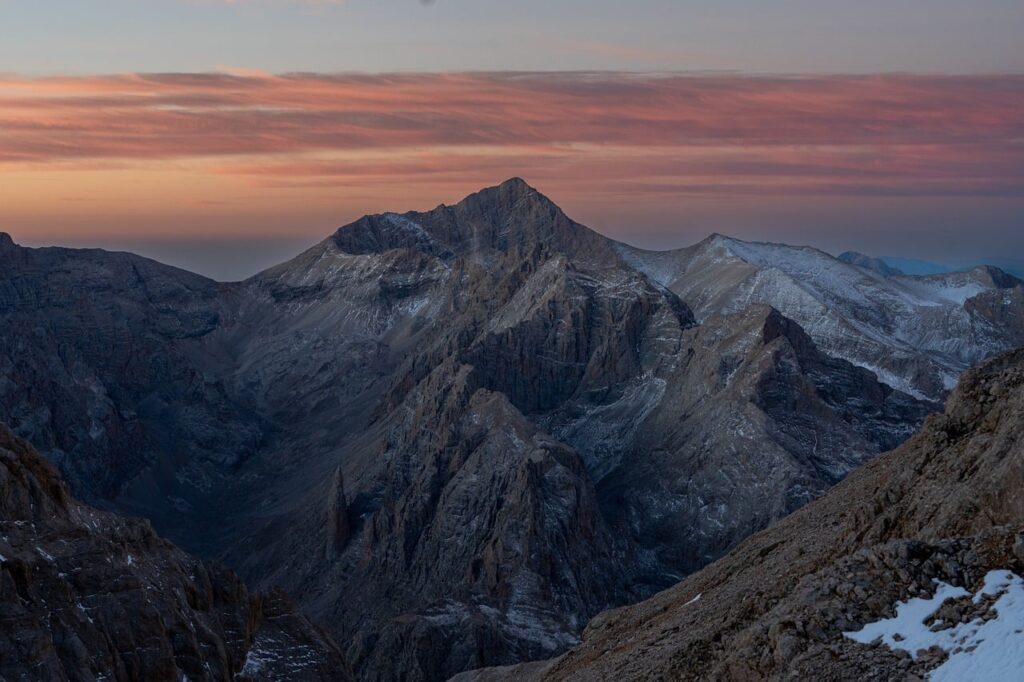
The rivers that tumble off the Taurus Mountains have carved deep canyons into the limestone, and the region’s interior is full of swimming holes that rival anything on the coast. The most famous of these gorges draw crowds, but dozens of others remain quiet local escapes.
A classic day involves following a river upstream through a narrow gorge, wading through turquoise pools, and stopping at waterfalls where the water is cold enough to make you gasp. Spring is the spectacular season, when the snowmelt makes every cascade roar, while late summer brings warm, slow water perfect for floating.
The practical side matters: canyon floors are slippery, water levels change quickly, and some gorges flood without warning after rain. Go with locals or a reputable guide, wear proper shoes, and check conditions before you set out. Done sensibly, these canyons are among the most beautiful places in the region.
Boat Trips to the Places Nobody Stops
The coast is best seen from the water, and the organized boat tours are the most popular excursion on the entire coast. What they miss is often the point: a private boat, a local ferry, or even a kayak can reach places the big tour boats never visit.
Sea caves with translucent blue water, rock arches carved by the waves, and small islands with a single chapel or lighthouse await those who go further. Some of the region’s most evocative ruins, including a sunken city you can see through clear shallow water, are best approached from the sea.
Ask at any harbor about day charters with local captains rather than the mass-market trips. Fishermen who take guests out for the day know every inlet and the stories behind them. Bring a snorkel, a hat, and a swimsuit, and let the captain set the route.

Local Food You Will Not Find on the Tourist Menu
The tourist coast serves a simplified version of Turkish food, but the region’s real cooking lives in family kitchens, village guesthouses, and small lokantas far from the seafront. This is where the Mediterranean diet is not a trend but a way of life.
Mountain villages excel at hearty dishes: herb pies, cracked wheat dishes, bean stews, and wild greens gathered from the hillsides. Along the coast, expect the day’s catch simply grilled, oranges and pomegranates from the orchards, and olive oil that comes from the family’s own trees. Winter brings citrus and seasonal preserves.
The rule for finding this food is to follow the locals. Eat where the lunch crowd is, look for the restaurant with no English menu, and ask what is fresh today. The best meals in the region are rarely in the restaurant with the best view.
Markets, Workshops, and the Crafts of the Region
The weekly market is the beating heart of any Mediterranean town, and the region’s rural markets are among the most authentic experiences you can have. Farmers arrive at dawn with vegetables picked that morning, honey, olives, cheeses, and seedlings, and bargaining is part of the ritual.
Behind the food stalls, the region still supports crafts that have been practiced for centuries. You will find carpet weaving, woodworking, pottery, and the traditional flat-weave kilims of the Taurus villages. Buying directly from the maker cuts out the middleman and guarantees the story behind the object.
Timing is everything: each town holds its market on a fixed day of the week, so plan your route around them. Go early, take small bills, and treat the market as a place to taste, talk, and wander, not just to shop.

Small Towns with Big Character
Between the famous resort towns sit smaller places that keep their own identity: fishing harbors, citrus towns, and hillside settlements with a slower version of coastal life. They rarely appear on the standard itineraries, yet they offer the region at its most authentic.
These towns have a daily rhythm built around fishing, farming, and family. Their old quarters hold Ottoman-era houses, their harbors hold working boats rather than yachts, and their restaurants serve the food of the region without ceremony. In summer they are lively but never overwhelmed.
Using these towns as a base gives you the best of both worlds: genuine local life, easy access to beaches and ruins, and prices well below the tourist hubs. A rental car or a willingness to use the local minibus network opens up the whole coast.
How to Find Your Own Hidden Gems
The hidden Mediterranean is a mindset as much as a place list. The most reliable strategy is to slow down, go deeper, and follow curiosity: walk one street past the souvenir shops, take the smaller road, and accept that some of the best days come from getting pleasantly lost.
Talk to people. Hotel staff, shopkeepers, and especially the older generation know the beaches, springs, and ruins that never made it into any guidebook. Learning a few words of Turkish opens doors that no amount of research can.
Finally, give the region time. A week in one base beats three days in three resorts. The Mediterranean coast reveals itself gradually, and its hidden gems reward those who treat it as a home rather than a checklist.
Frequently asked questions
Are the hidden gems of the Mediterranean region easy to reach without a car?
Some are, many are not. The cove beaches, villages, and ruins that avoid the crowds usually lie beyond the minibus routes, so a car or a scooter makes a huge difference. Where roads are rough, local guided trips and boat captains fill the gap. In practice, combining a car with a few boat days covers almost everything.
Is it safe to explore remote coves and mountain villages?
Generally yes, with common sense. Stick to marked trails, check water conditions before swimming in rivers, and let someone know your plans for remote walks. Village hospitality is genuine, but rural roads can be steep and rough. Carry water, a phone with a map, and enough daylight, and the main risks are sunburn and overambitious hiking.
What is the best season for discovering offbeat places?
Spring and autumn are ideal. Wildflowers and full waterfalls make the interior glorious in April and May, while September and October give you warm swimming with quiet coves. Summer works if you choose remote spots and go early, and winter suits mountain villages and markets, though many coastal businesses close until spring.

All Over Information
The All Over Information editorial team researches and writes practical English-language guides to Turkey. Facts are checked against official and local sources before publication, prices are published as dated ranges rather than quotes, and guides are revised when things change. We accept no sponsored posts, paid placements or paid links.
More guides like this

Exploring the Central Anatolia Region: A Complete Travel Guide
Central Anatolia is the heart of Turkey in every sense: a vast high plateau of steppe, wheat fields, and volcanic rock that…

Hidden Gems of the Aegean Region
Beyond the famous names of Ephesus, Bodrum, and Alacati, the Aegean Region hides a quieter world of ancient cities, village streets, and…
Exploring the Mediterranean Region: A Complete Travel Guide
The Mediterranean Region of Turkey is the country's riviera, a coastline of turquoise water, pine-covered mountains, and ancient cities that stretches for…
Hidden Gems of the Central Anatolia Region
Cappadocia's balloons and fairy chimneys draw the crowds, but the Central Anatolian plateau is far bigger than the famous valleys, and most…

Climate and Best Time to Visit the Eastern Anatolia Region
Eastern Anatolia has the most extreme climate in Turkey: a high plateau where winter is long and severe, summer is short and…

Best Cities and Towns in the Marmara Region
The Marmara Region packs an astonishing variety into its small territory: a world city, an Ottoman capital, a frontier town, and a…