There is a moment in every Turkish breakfast when the table is fully loaded and the first tea is poured, and the room simply gets quiet. This is kahvalti, the meal Turks defend more fiercely than any other. It is not a quick refuel but a daily ceremony of abundance, patience, and togetherness. To understand Turkey, you could study its monuments, its history, or its politics. Or you could sit down at a breakfast table, watch the tea flow, and let the meal explain the culture by itself.
The Longest Meal of the Day
Kahvalti is the only Turkish meal that routinely lasts two hours. The spread arrives in stages, the tea is refilled in a steady rhythm, and the conversation follows its own clock. Nobody hurries a breakfast table, and nobody is expected to.
The meal’s length is a cultural statement. Turkey keeps a slower morning than many modern countries, and kahvalti protects that pace. Even on workdays, the meal is rarely skipped, and on weekends it becomes a full ceremony.
For families, the long breakfast is the reliable shared time of the week. Work schedules scatter the household, but the Sunday table gathers everyone back, and the meal that holds them is kahvalti.
Tea as the Centerpiece
The breakfast table is organized around one thing: tea. The double teapot steeps strong black tea above simmering water, and the small tulip glasses are filled and refilled in a rhythm that runs the whole meal.
The tea is more than a drink; it is the social engine. It gives everyone something to hold, something to sip, and a reason to stay. The kettle’s presence says that the conversation is welcome to continue.
There is a subtle etiquette to the tea service. The strongest pour goes to the eldest, the host watches the guests’ glasses, and nobody pours their own tea without first offering to fill the neighbors. The tea is the culture in liquid form.

The Sunday Ritual
Sunday breakfast is a national institution. Families gather, restaurants fill, and the long tables run from mid-morning to early afternoon. For many Turks, the week is divided into the days before the Sunday breakfast and the days after.
The Sunday table is bigger than the weekday one. Jams multiply, an extra cheese appears, menemen is made in the pan, and sometimes börek arrives warm from the oven. The meal is a small festival of the household.
The ritual also extends outward. Friends visit each other for breakfast, restaurants reserve tables for the Sunday crowd, and the whole city seems to move at breakfast pace until the afternoon.
The Table as a Family Statement
A kahvalti table is a statement about the household that sets it. The number of dishes, the quality of the cheese, the homemade jams, the warmth of the bread: all of it speaks about care, resources, and tradition.
Preparing the table is itself a family act. In many homes, the task rotates or is shared, and the person who sets the breakfast is quietly honored for it. The table is a daily declaration of attention to the people who share it.
When guests arrive, the table becomes a formal declaration of hospitality. A Turkish host treats a guest to breakfast as a mark of respect, and the guest knows that the abundance of the table reflects the warmth of the welcome.

Regional Breakfasts
Kahvalti changes face across Turkey, and each regional table is a portrait of its place. Van, in the east, serves the most famous spread, a table of dozens of dishes built around a honey cream and local cheeses that devotees travel across the country to taste.
The southeast adds spice and generosity, with spiced butters and fresh herbs, while the Black Sea brings corn bread, anchovies, and muhlama, a molten cheese and corn flour dish eaten with the hands. The Aegean keeps it lighter, with greens and olives.
These regional tables are not curiosities; they are identity. Turks argue about breakfast the way others argue about football, and the regional pride is affectionate and real.
The Village Breakfast
The village breakfast is the tradition’s deepest root. On farms and in small towns, the morning meal has always been built from what the household produces: the morning’s milk, the home cheese, the garden tomatoes, the olives from the family trees.
Village breakfast is slower and more seasonal than the city version. The eggs come from the yard, the honey from the neighbor’s hives, and the bread from the village oven, and the meal follows the harvest’s rhythm.
This connection to the land gives kahvalti its emotional power. Even city-dwellers remember the village table, and the memory shapes how they set their own breakfasts, however far from the farm they live.

The Art of the Slow Morning
Kahvalti teaches a skill that modern life makes scarce: doing nothing productive, well. The meal is designed to resist efficiency, with its many small dishes, its endless tea, and its insistence on presence.
There is no rush in the ritual. The bread is torn, not sliced; the honey is drizzled with attention; the cheese is cut as it is eaten. Every action is small, and together they slow the whole morning down.
For visitors used to eating on the move, this is the hardest and most valuable lesson of the Turkish table. The slow morning is not wasted time; it is the point of the meal.
Breakfast Etiquette
The etiquette of kahvalti is gentle. The host pours the first tea, the eldest serves themselves first, and guests are pressed to eat more than they want, because a guest who leaves hungry has failed the host.
Bread is torn by hand rather than cut, and the slice is offered before it is taken. The jam spoon goes to your plate, not back into the jar, and the honey is shared from the middle of the table.
None of this is rigid, but the spirit matters: breakfast is a shared act, and the small courtesies keep it that way. Watch how Turks pour each other’s tea, and you will understand the whole system.
Kahvalti in the Modern City
Modern city life has changed the ritual without breaking it. Weekday breakfasts are faster, with working families grabbing bread, cheese, and olives in minutes, and the full spread retreats to weekends and holidays.
The city has also created new forms: breakfast restaurants open all day, brunch culture merges with the kahvalti table, and young cafes plate the classic spread with contemporary style. The tradition is flexible enough to absorb all of it.
What survives in every form is the core: many small dishes, shared among people, anchored by tea, and eaten with attention. The city changed the packaging, not the idea.
Why Kahvalti Endures
Kahvalti endures because it is the most reliable source of togetherness in Turkish life. Work, distance, and time scatter families, but the breakfast table gathers them, and the ritual survives every change because it delivers what people need.
It endures because it is democratic. The full spread is a luxury, but its spirit, shared food, warm bread, strong tea, is available to everyone, and the poorest breakfast still carries the culture’s signature.
Finally, it endures because it tastes like home. The first bite of white cheese and the first sip of tea recall every breakfast a Turk has ever shared. The meal is memory, and memory is why the table is set again every morning.
Kahvalti follows the calendar. Spring brings the first green almonds, wild herbs, and fresh cheese from the spring milk. Summer tables overflow with garden tomatoes, cucumbers, and the season’s fruit jams, and the breakfast itself moves onto the balcony or into the garden.
Autumn is the season of molasses and pekmez, boiled grape syrup, along with the first walnuts, and winter breakfasts turn inward, with honey, chestnuts, and the comforting warmth of a longer tea session. Each season gives the table a different face.
This seasonal rhythm keeps kahvalti honest. The table is never the same twice, and it ties the meal to the land in a way that packaged breakfasts cannot imitate. Turks read the season in their breakfast the way others read it in the weather.
Wherever Turks go, kahvalti follows. Turkish neighborhoods in European cities support bakeries that make fresh simit and beyaz peynir importers, and the Sunday breakfast in the diaspora is often the most traditional meal of the emigrant week.
For Turkish families abroad, kahvalti is a way of staying attached. The taste of the home cheese, the scent of the tea, and the sight of the full table carry a country across a border, and the ritual becomes a small embassy of home.
The emigrant breakfast also passes the tradition onward. Children born abroad learn the table from their parents, and the kahvalti they set in adulthood carries both the old recipes and the new country. The meal is a living thread between generations.
Frequently asked questions
Why is breakfast so important in Turkish culture?
Kahvalti is the daily ceremony of family togetherness, the shared meal that gathers households and guests around an abundant table. It slows the morning, anchors the day, and carries deep regional and family identity. For Turks, a proper breakfast is not a luxury but a normal part of life.
What time do Turks eat breakfast?
Weekday breakfasts are early, usually before work, often between seven and nine in the morning. Weekends shift later, with the long breakfast running from mid-morning into early afternoon. In tourist areas and breakfast restaurants, kahvalti is often served all day.
What does kahvalti mean?
Kahvalti literally means before coffee, from kahve, coffee, and alti, under or before. The name remembers the Ottoman habit of eating something small before the first coffee of the day. The modern kahvalti has grown far beyond that small bite into a full spread.

All Over Information
The All Over Information editorial team researches and writes practical English-language guides to Turkey. Facts are checked against official and local sources before publication, prices are published as dated ranges rather than quotes, and guides are revised when things change. We accept no sponsored posts, paid placements or paid links.
More guides like this

How to Make Authentic Turkish Breakfast (Kahvalti) at Home
You do not need a Turkish address to eat a proper kahvalti.

Where to Find the Best Borek in Turkey
Finding the best borek in Turkey is less about a specific address and more about knowing how the country works.

Where to Find the Best Balik Ekmek (Fish Sandwich) in Turkey
Balik ekmek is a dish of the waterfront, and the best versions in Turkey are found where the boats land and the…

Where to Find the Best Iskender Kebab in Turkey
Iskender kebab is a dish with one true home, the city of Bursa, and a reputation that has spread across the whole…
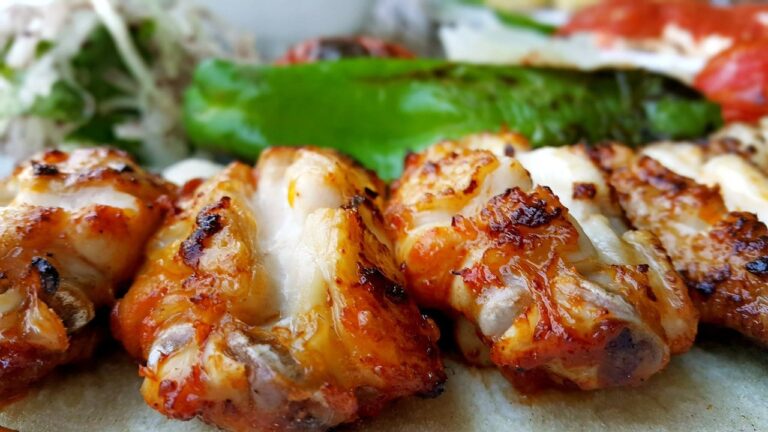
Urfa Kebab: A Taste of Turkish Culture
Food is the quickest way into a culture, and in Şanlıurfa no dish opens more doors than the kebab that bears the…

How to Make Authentic Manti (Turkish Dumplings) at Home
Making manti at home is one of the most rewarding projects in Turkish cooking.