Turkish breakfast, kahvalti, is not a quick meal; it is an event. The table fills with cheeses, olives, eggs, breads, jams, honey, and a ceaseless supply of tea, and the morning stretches into two hours without anyone noticing. For visitors, it is one of the most generous introductions to Turkish food culture, and for Turks it is a non-negotiable daily ritual. This guide covers the full table: every component, the regional styles, and how to order and eat kahvalti like a local.
What Is Kahvalti
Kahvalti literally means before coffee, a name that remembers the Ottoman habit of starting the day with something small before the first coffee. Today it means the entire breakfast spread, and the scale has grown far beyond a bite.
The core idea is abundance through variety. Instead of one or two main items, kahvalti offers many small components, each with a distinct character, so every bite of bread can carry something different. The meal is designed to be lingered over.
Tea is the engine. A Turkish breakfast without tea is unthinkable, and the small tulip-shaped glasses are refilled constantly throughout the meal. Everything on the table exists in conversation with that tea.
The Table Setup
The classic kahvalti table is a grid of small plates, bowls, and dishes covering the whole surface. There is no single centerpiece; the abundance itself is the presentation, and refills arrive as plates empty.
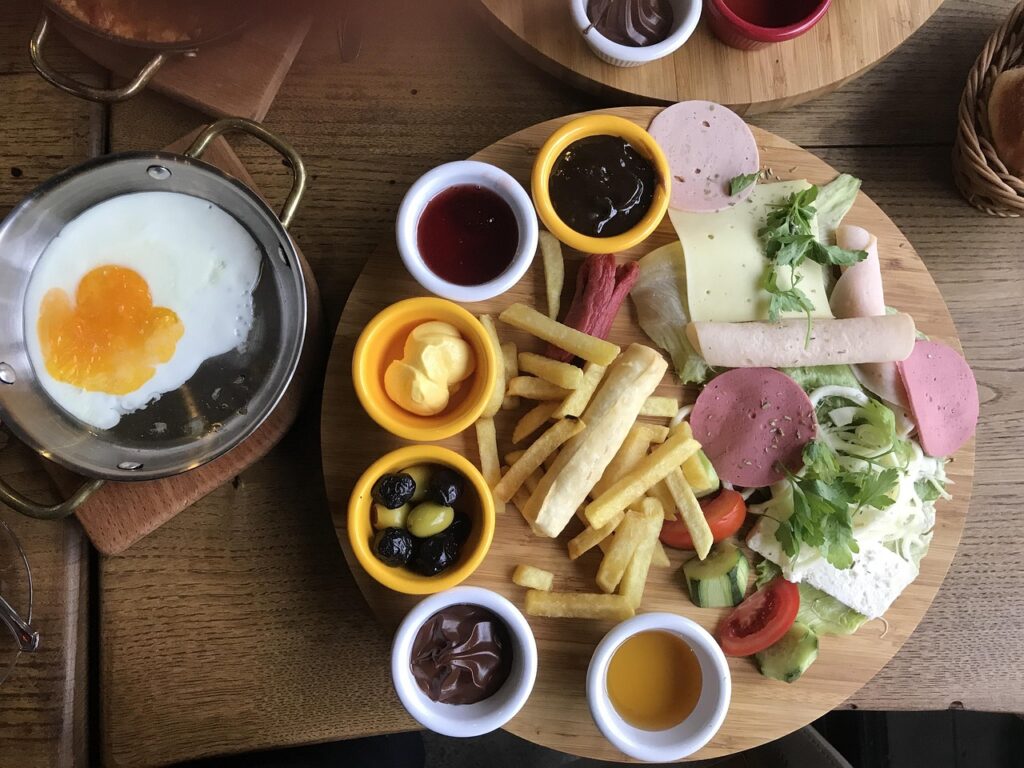
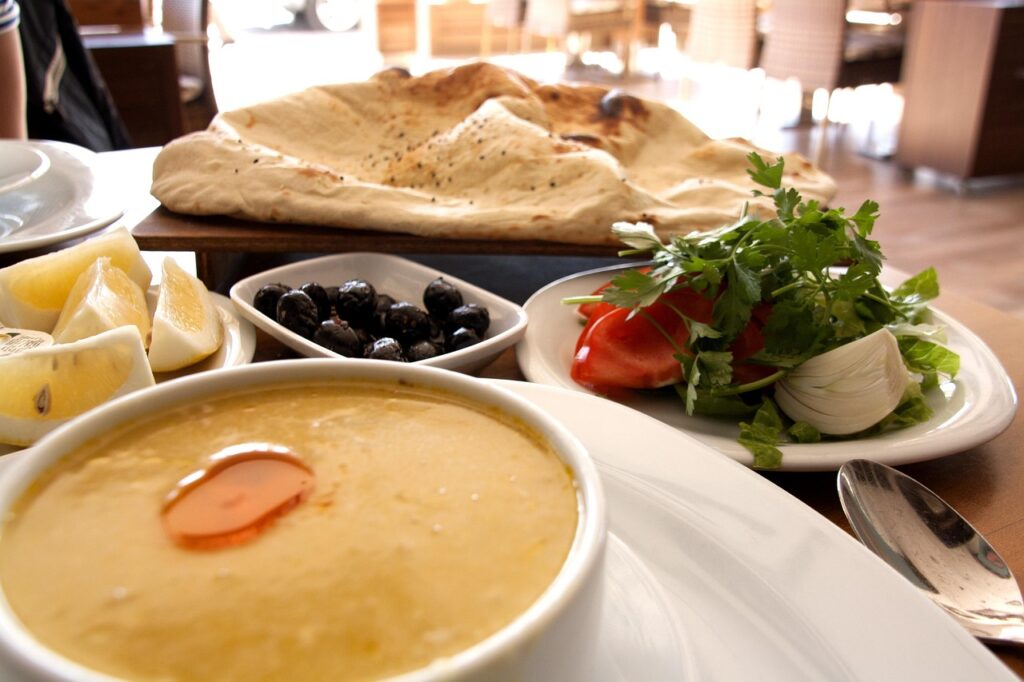
Olives, usually both black and green, sit in one dish. Sliced cucumber, tomato, and peppers make up the fresh corner. Cheeses occupy the largest territory, and the jams, honey, and butter claim the sweet side of the table.
Bread is not a side dish but a utensil. It is used to scoop, wrap, and dip, and it is replenished constantly. In many homes and restaurants, fresh bread arrives throughout the meal, because a kahvalti that runs out of bread has failed.
The Cheese Board
Turkish breakfast cheeses are fresh, salty, and varied. The most common is beyaz peynir, a white brined cheese similar to feta, served in thick slices or chunks. It is the anchor of the table.
Alongside it you will usually find kasar, a semi-hard yellow cheese that ranges from mild to aged and sharp, and often a third or fourth cheese: tulum from the mountains, lor, a soft fresh curd, or a regional specialty depending on where you are.
The cheeses are eaten with bread, with honey or jam, and with the fresh vegetables, and the combination of salty cheese and sweet jam on one slice of bread is a kahvalti classic. Do not knock it until you have tried it.
Eggs and the Breakfast Cook
Hot dishes anchor the table in most kahvalti. The most famous is menemen: eggs scrambled with tomatoes, green peppers, and a little oil or butter, cooked until soft and creamy and eaten straight from the pan.
Sucuklu yumurta pairs sliced sucuk, a spicy dried sausage, with eggs fried together in the pan, and it is a beloved classic. Pastirmali yumurta does the same with cured pastirma, and plain fried eggs with a generous pepper-oil drizzle are everywhere.
In the southeast, the breakfast egg may arrive with spiced butter and fresh herbs, and along the Black Sea, cornmeal porridge or muhlama, a melted cheese and corn flour fondue, replaces the egg entirely. The egg corner is where kahvalti shows its regional face.
Bread, Pastries, and Simit
Bread appears in many forms. The common table bread is a plain white loaf, but village breads, corn breads, and lavash flatbreads join it in different regions. The one rule is freshness: kahvalti bread must be warm or at least from the morning.
Simit, the sesame-covered ring sold on every street, often appears at breakfast, especially with cheese and tea. Poppy-seed rolls, bagel-like acma, and pastries stuffed with cheese or potatoes are common additions.
On weekends and special occasions, the pastry corner expands with börek, flaky layered pastries filled with cheese, spinach, or meat. A kahvalti with börek is a kahvalti taken seriously.
The Sweet Corner: Jam, Honey, and Kaymak
The sweet side of the table is where kahvalti becomes luxurious. Honey sits in its comb or jar, usually dark and intensely flavored from the mountains, and it is poured generously over butter or eaten straight from the spoon.
Jams come in endless variety, from strawberry and sour cherry to rose petal and bergamot, and every region adds its own fruit. The sour cherry jam’s balance of tart and sweet is a Turkish breakfast specialty.
The crown of the sweet corner is kaymak, thick clotted cream, spread on bread with honey. The combination of crunchy bread, cool cream, and floral honey is one of the great breakfast experiences in the world, and it is worth every calorie.
Tea: The Engine of Breakfast
Turkish tea, cay, is brewed strong in a double teapot and served in small tulip glasses, with the strength adjusted by pouring from the top pot or the water pot below. Breakfast is its natural habitat.
The tea service is a rhythm: your glass never sits empty for long, the pot is refilled from the kitchen, and the conversation is punctuated by small sips. A kahvalti without the tea flow is incomplete.
The tea also does real work, cutting through the salt of the cheese, the richness of the kaymak, and the sweetness of the jam. It is the balancing instrument of the entire table.
Regional Breakfasts
The standard kahvalti is the baseline; the regions then build on it. Van, in the east, is famous for the most elaborate breakfast in Turkey, with dozens of dishes including a honey cream, local cheeses, and a spiced paste that is eaten with everything.
The southeast adds spiced butter, fresh herbs, and sometimes kunefe for a sweet finish, while the Black Sea brings anchovies, corn bread, and muhlama. The Aegean adds greens, olive varieties, and a lighter hand with the hot dishes.
Wherever you travel, the local kahvalti is a shortcut into regional identity. Turks plan trips around famous breakfast towns, and you should too.

Where to Eat Kahvalti
Every Turkish city has breakfast houses, kahvalti salonlari, that serve the full spread all day, and neighborhood restaurants run busy weekend breakfasts. The best signal is simply a crowded room of locals.
For the famous pilgrimage destinations, plan ahead: Van is the breakfast capital, with restaurants serving enormous spreads, and Gaziantep, Antakya, and the Black Sea towns each have their own celebrated tables.
In Istanbul and the big cities, modern brunch culture has embraced kahvalti, and you can find the traditional table, the regional spread, and creative new versions all within a few streets of each other.
The Culture of the Long Breakfast
Kahvalti is a social institution. Weekdays it is the family’s shared start to the day, often quick but never skipped; weekends it becomes the long breakfast, stretching through the morning with friends and relatives, the table slowly emptying over two hours.
The long breakfast is a ceremony of unhurried attention. Nobody checks their watch, the tea keeps coming, and the conversation ranges freely. It is the opposite of the grab-and-go morning, and Turks defend it fiercely.
For visitors, the lesson is to surrender to the pace. Order the full spread, plan to stay, and let the breakfast do what it is designed to do: slow the day down and fill it with small pleasures.
If the full spread looks overwhelming, start with a serpme kahvalti, the set breakfast that brings a selection of everything to the table. It is the easiest way to taste the whole tradition without deciding dish by dish.
Most places will keep refilling bread and tea, and many are happy to add extra items. Ask for a boiled egg, an extra cheese, or another round of menemen; hospitality culture means requests are met with pleasure, not reluctance.
A practical note: the spread is usually designed for two or more people. A lone traveler can order a single-person serpme, or simply build a smaller table of cheese, olives, bread, and tea, which is exactly what millions of Turks eat every morning.
Tea rules, but the table has supporting drinks. Fresh orange juice is common in cities, and the eastern breakfast tables often include a glass of warm milk or ayran, the salty yogurt drink that cuts through rich spreads.
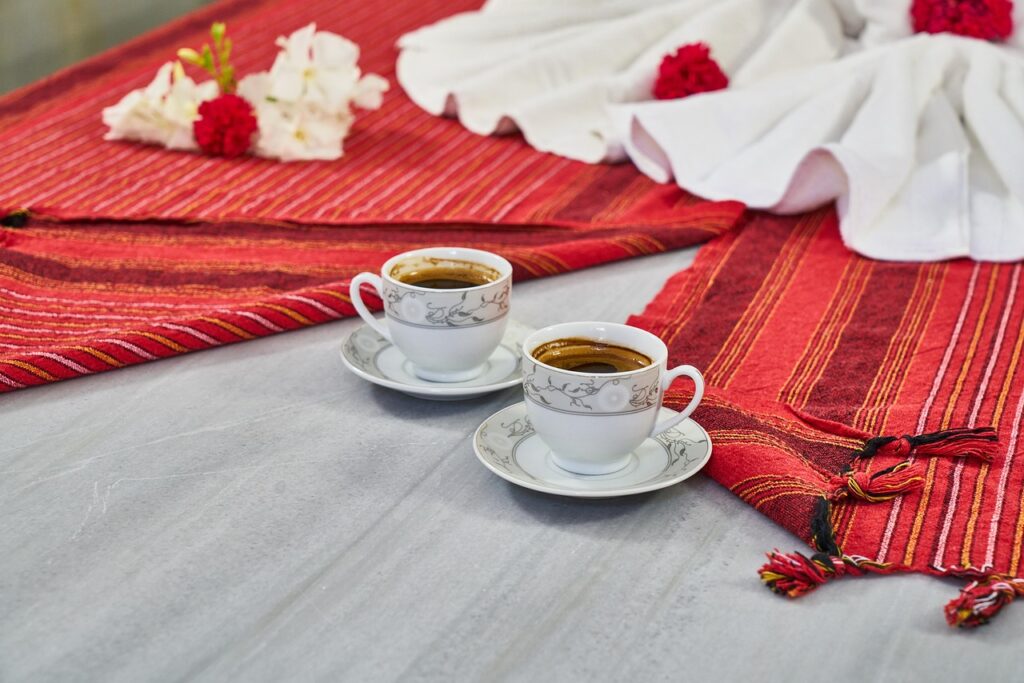
Turkish coffee can close the meal, especially after the long weekend breakfast, and in the southeast a glass of local tea variations or fresh buttermilk may appear. Herbal teas, especially linden and sage, are popular in the winter months.
The rhythm is simple: tea throughout, one supporting drink if you want it, and coffee as the finish. The drinks are as much part of the ceremony as the food, and the waiter knows the pattern without being asked.
In short, kahvalti rewards a little planning and a lot of appetite. The table may look complete, but the best hosts keep a surprise in reserve, and the meal ends when the conversation does, not when the plates are empty.
Frequently asked questions
What is a typical Turkish breakfast?
A typical kahvalti table includes white cheese, yellow cheese, olives, cucumber, tomato, bread, eggs in some form, often menemen or sucuklu yumurta, honey, jam, butter, and plenty of Turkish tea. Regional tables add local specialties, and the whole spread is shared and lingered over.
Why is Turkish breakfast served with so many dishes?
The abundance is intentional. Many small components let every bite of bread carry a different flavor, and the variety turns a morning meal into a social event. The spread also reflects Turkish hospitality, where a full table is a sign of respect for guests.
What is menemen?
Menemen is a hot breakfast dish of eggs scrambled with tomatoes, green peppers, and oil or butter, cooked until soft and creamy and usually eaten straight from the pan with bread. It is the most famous of the Turkish breakfast egg dishes and a staple of every kahvalti table.

All Over Information
The All Over Information editorial team researches and writes practical English-language guides to Turkey. Facts are checked against official and local sources before publication, prices are published as dated ranges rather than quotes, and guides are revised when things change. We accept no sponsored posts, paid placements or paid links.
More guides like this

Karniyarik: A Taste of Turkish Culture
Karniyarik is not a dish of palaces or festivals; it is the food of the family table, the meal that fills Turkish…
Turkish Delight (Lokum): A Taste of Turkish Culture
Turkish delight is a sweet that has traveled the world, yet it remains deeply rooted in Turkish daily life. In Turkey it…

How to Make Authentic Midye Dolma (Stuffed Mussels) at Home
Making authentic midye dolma at home is a project of patience, but it is one of the most rewarding recipes in Turkish…

How to Make Authentic Sutlac (Rice Pudding) at Home
Sutlac is one of the easiest desserts in the world to make and one of the easiest to get wrong.

The Ultimate Guide to Ayran
Ayran is the quiet giant of Turkish cuisine: a simple mixture of yogurt, water, and salt that accompanies almost everything Turkey eats,…

Turkey for Foodies: A Complete Guide
Turkey is one of the great cuisines of the world, and for the foodie it is a destination of the first rank.