If you are planning to experience football in Turkey, you are about to discover something far more intense than a typical match in most other countries. Turkish fan culture is loud, emotional, and woven into everyday life, and it can genuinely surprise visitors who expect the restrained atmosphere of stadiums elsewhere. From the chants that begin hours before kickoff to the sea of flags and scarves on every street, each detail carries meaning. This guide explains what you will see, why it matters, and how you can enjoy a match with confidence and respect.
What Makes Turkish Fan Culture Distinctive
Turkish supporters treat every match as a serious occasion. Passion runs deep, and fans arrive with drums, megaphones, and enormous banners to create a wall of noise that presses down on the pitch from the first whistle. The atmosphere rarely pauses, even when the score is level, because the crowd genuinely believes its voice can push the team forward when legs grow tired.
This intensity has deep roots that stretch back more than a century. Football arrived in the late nineteenth century, and clubs quickly became symbols of neighborhood and community identity. Supporting a team became a way of belonging, a badge of who you were and where you came from, and that tradition still shapes the way fans behave in the stands today.
For visitors, the key is understanding that this passion is expression, not aggression aimed at you. Fans sing, clap, and jump for the full ninety minutes, and they expect the same energy from the team on the pitch. Come with goodwill and you will quickly see the warmth behind the noise.
The Big Three Clubs
Three clubs dominate the national imagination: Galatasaray, Fenerbahce, and Besiktas, all based in Istanbul. Their histories stretch back more than a century, and their fan bases reach into nearly every city and town in the country. Supporting one of them is a statement of identity.
Galatasaray was founded in 1905 by students of a prestigious Istanbul school, while Fenerbahce followed in 1907 on the Asian shore of the city, and Besiktas grew out of a gymnastics club established in the early 1900s. Each carries its own identity, its own colors, and its own neighborhood soul, and the arguments between their supporters never truly end.
Derbies between these three are among the most anticipated sporting events in Turkey. Shops close early, streets fill with color, and the whole nation tunes in to watch. If you are in Istanbul on a derby weekend, you will feel the electricity everywhere, from cafes to ferry queues.

The Derby Atmosphere
A derby in Istanbul is an experience like no other. Fans arrive hours early, and the area around the stadium becomes a festival of flags, horns, and scarves. Police presence is visible, but the mood is overwhelmingly celebratory and good-humored, closer to a carnival than a confrontation.
Inside the stadium, the noise is overwhelming. Chants bounce between stands, drums set the rhythm, and giant banners unfurl across the terraces in choreographed displays planned weeks in advance by supporter groups. The entire stand moves as one body, swaying, jumping, and singing in perfect time.
For a first-time visitor, the volume can be startling, but it should not be frightening. Wear the colors of the team whose section you sit in, keep your own team loyalties quiet if they conflict, and follow the mood of the crowd around you. The experience is genuinely unforgettable.
Chants, Flags, and Tifos
Music is the heartbeat of Turkish fan culture. Every club has an anthem, and supporters sing it before kickoff with arms around each other, swaying in unison. The anthem is only the beginning of an evening of singing that rarely stops, no matter what happens on the pitch.
Beyond anthems, fans compose endless chants praising their players, mocking rivals, or urging the team forward with increasing urgency. Drummers lead the tempo, and entire sections move together, so the stands feel like a single living organism that breathes with the game.
Flags and tifos add visual drama to the sound. Huge painted banners can cover an entire stand during special matches, and fans raise thousands of small flags in perfectly coordinated moments. The visual spectacle is as much a part of club identity as the singing itself.

Fandom as Family Tradition
In Turkey, football loyalties usually pass through families. Children learn their team from parents and grandparents, and changing allegiance is almost unthinkable. Supporting a club is treated like belonging to an extended family with its own history, heroes, and memories.
This inheritance explains why rivalries feel so personal. A single household may contain supporters of different clubs, and the banter continues all year, not only on match days. Office arguments, family dinners, and even weddings often revolve around the weekend’s results and the eternal question of which club is truly the greatest.
For foreign visitors, this family dimension makes football an easy bridge into local life. Mention your favorite club, and you will often start a warm, animated conversation that quickly moves beyond football into stories about childhood, neighborhoods, and the city itself.
Stadium Customs and Match Days
Match day in Turkey begins early. Fans gather at meeting points across the city, walk together toward the stadium, and share tea, simit, and conversation before entering. The pre-match ritual is as important as the game itself, and regulars would never skip it.
Inside, you will notice customs that differ from other countries. Supporters often stand for the entire match, waving scarves overhead during the anthem, and organized groups sit in designated blocks where leaders direct the chanting. Arriving late is frowned upon, because the entrance of the teams is the climax of hours of preparation.
It is wise to arrive early, because security checks are thorough and queues can be long. Once inside, follow the lead of the group around you, and do not be surprised if strangers offer you tea and a scarf before the match begins. Hospitality and football go hand in hand in Turkey.

Rivalries Beyond the Big Three
While the Istanbul trio dominates headlines, passionate fan cultures exist across the entire country. Trabzonspor, from the Black Sea coast, is famous for fierce devotion, and its matches against the Istanbul giants are electric from the first minute to the last.
Other cities also hold deep traditions. Bursa, Eskisehir, Adana, and many more places have clubs with loyal crowds, and local derbies can match the big Istanbul games in intensity. Smaller stadiums often produce the loudest atmospheres, because everyone in the stands knows everyone else.
Regional pride plays a large role in these rivalries. When an Anatolian club beats an Istanbul giant, the celebration becomes a statement about the whole region and its people. That emotional weight is exactly why the noise in provincial stadiums can be so extraordinary.
Fan Clubs and Organized Groups
Organized supporter groups run the show in the stands. They coordinate chants, design banners, and distribute flags before kickoff, and their leaders are respected figures within the fan community. Their organization is far more detailed than outsiders realize, with careful planning for every match.
These groups have their own names, colors, and symbols, and they often operate like small communities, arranging travel to away matches, printing merchandise, and organizing social events throughout the year. Their loyalty is intense and lasts for decades, with traditions handed down from one generation of members to the next.
Understanding this structure helps visitors see that the noise is not chaos but choreography. Every chant begins because a leader signals it, and that coordination is exactly what makes Turkish stands so impressive to witness.
Etiquette Tips for Visiting Supporters
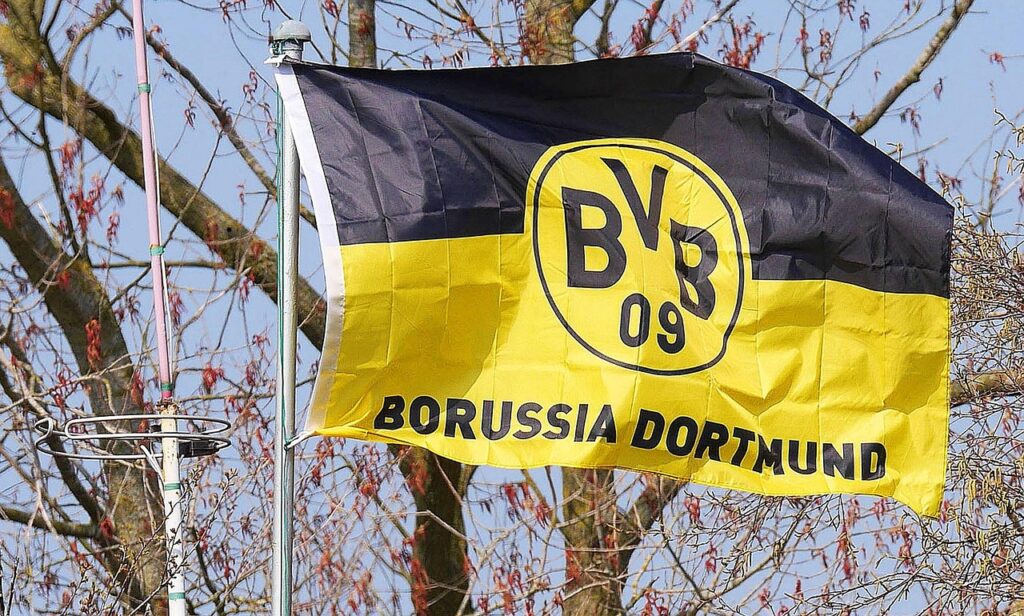
If you attend a match, show respect and keep your camera ready but discreet. Avoid wearing rival colors in the wrong section, and never make provoking gestures toward supporters around you. Simple courtesy prevents almost every problem, and locals will forgive mistakes if they see good intentions.
Learn one or two simple chants before you go. Locals genuinely appreciate the effort, and joining in is the fastest way to feel included in the community of the stand. Keep your voice strong, because enthusiasm is contagious and warmly welcomed, even from visitors who cannot sing a word of Turkish.
Above all, remember that Turkish fans are famously hospitable to genuine visitors. If you arrive with curiosity and goodwill, you will likely be welcomed, offered tea, and guided through the experience by strangers who quickly become friends.
Football and Everyday Life
Football in Turkey is not confined to stadiums. Matches fill cafes and barbershops, dominate television conversations, and shape the mood of entire neighborhoods on derby nights. You will hear the weekend’s results debated everywhere you go, from bakery queues to bus stops, in a way that surprises many visitors.
Results are discussed for days, and a club’s fortunes influence everything from workplace banter to family dinners. During major tournaments, streets fill with flags and horns, and support for the national team briefly unites even the fiercest club rivals under a single banner.
For travelers, football offers a genuine window into Turkish society. Understanding even a little of the culture will enrich every conversation you have and every cafe you visit, giving you stories and connections that outlast any souvenir.
Frequently asked questions
Is it safe to attend a Turkish football match as a foreigner?
Yes, matches are generally safe when you follow common sense. Buy tickets through official channels, sit in your designated section, wear the home colors, and avoid provoking rival supporters. Stadium security is strict and fan areas are well organized. Many visitors attend derbies without any problems. Treat it with the same care you would give any large crowd, and you will likely leave with a fantastic memory.
Why are Turkish fans considered so passionate?
Turkish fans treat football as an emotional outlet and a community ritual rather than simple entertainment. Clubs are tied to neighborhood, family, and regional identity, so every match carries personal meaning. The standing, chanting, and drumming traditions that developed over a century keep the atmosphere intense, and supporters rarely sit quietly. This depth of attachment, passed down through generations, is why Turkish crowds are counted among the most vocal in the world.
What does the chanting and noise at Turkish stadiums represent?
The noise is a form of communication between fans and players. Chants encourage the team, unsettle opponents, and express love for the club’s colors. The coordinated singing also builds togetherness, turning thousands of strangers into a single voice. For many supporters, participating in the roar is the entire point of attending, which is why the sound rarely stops from the first minute to the last whistle.

All Over Information
The All Over Information editorial team researches and writes practical English-language guides to Turkey. Facts are checked against official and local sources before publication, prices are published as dated ranges rather than quotes, and guides are revised when things change. We accept no sponsored posts, paid placements or paid links.
More guides like this
A Deep Dive into Turkish Social Hierarchies and Etiquette
Turkish society runs on a subtle system of respect that shapes every interaction, from greeting a shopkeeper to how a family dinner…

Turkey’s Agricultural Heartlands Explored
Turkey is one of the great agricultural countries of the world, a land where the Fertile Crescent's first farmers found their footing…

Understanding the Turkish Education System
Turkey's education system is large, centralized, and in constant motion.

A Deep Dive into the History of Turkish Cinema
The history of Turkish cinema is a century-long story of invention, ambition, collapse, and renewal, and it mirrors the history of modern…

Understanding Turkish Superstitions
Turkish superstitions are everywhere once you know what to look for: the blue glass beads hanging in taxis and shops, the salt…
A Deep Dive into Turkish Naming Traditions
Turkish naming is a window into thousands of years of history.