Turkish music is a world of its own, built from centuries of tradition and decades of experiment. The classical forms of the Ottoman courts, the folk music of the regions, the arabesque of the cities, and the pop of the modern era all exist side by side. The result is a musical landscape of extraordinary variety and depth. This guide explains the major genres, their sounds, how they fit together, and where you will hear them as you travel through the country.
The Layered Sound of Turkey
The music of Turkey is layered like the country itself. The traditions of the Anatolian peoples, the forms of the Ottoman courts, the influences of the neighboring cultures, and the sounds of the modern world all meet in the music. The layers are not separate; they blend and argue with each other.
The geography is part of the story. The music changes with the regions, the languages, and the histories, and the map of the music is a map of the country. The Black Sea, the Aegean, the east, and the cities each have their own sound.
For the visitor, the music is a doorway into the culture. The songs are played in the streets, the restaurants, and the wedding halls, and the genres carry the feelings of the people who made them. Understanding the music is understanding the country.
Turkish Classical Music
The classical music of Turkey grew from the courts and the Sufi lodges of the Ottoman era. The tradition is built on the makam, a system of melodic modes, and the usul, the rhythmic cycles, and the forms are refined and subtle. The music is a high art with centuries of depth.
The sound is instantly recognizable. The classical ensembles use the traditional instruments, the singers ornament the melodies with great skill, and the pieces unfold slowly and expressively. The music is intimate, precise, and deeply emotional.
The tradition survives as a living art. The conservatories teach the makam system, the concerts are held in the cities, and the recordings reach the international listeners. For the visitor, the classical music is the refined face of the tradition, and a concert is a formal, beautiful experience.

Folk Music of the Regions
The folk music of Turkey is the music of the land. Every region has its own songs, dances, and instruments, and the folk tradition is passed down through families and villages. The songs tell of love, separation, the seasons, and the work of the fields.
The regional styles are distinct. The long-necked lute of Anatolia, the violin of the Black Sea, and the reeds and drums of the east each carry their region’s sound, and the dances follow the music. The folk tradition is the deepest root of Turkish music.
The folk music is still a living culture. The festivals, the weddings, and the village celebrations keep the songs alive, and the professional folk musicians bring them to the stages. For the visitor, the folk music is the most direct connection to the country’s heartland.
Arabesque: The Voice of the City
Arabesque is the music of the modern Turkish city, born in the years of migration and growth. The genre blended the makam melodies with the rhythms and the instrumentation of the Middle East, and its songs of longing, fate, and lost love found a vast audience. Arabesque is the voice of the urban working class.
The sound is rich and emotional. The songs build slowly, the vocals wail with feeling, and the orchestration is lush with strings and keyboards. The stars of the genre became legends, and the music filled the cassettes, the radios, and the hearts of the cities.
Arabesque was once controversial and is now classic. The genre is part of the national memory, and its influence runs through the later pop. For the visitor, arabesque is the soundtrack of a certain Turkey, and its songs are still sung everywhere.
Anatolian Rock and Protest Music
The folk rock of Anatolia gave the country its own version of the global rock era. The musicians of the sixties and seventies electrified the folk instruments and the folk melodies, and the result was a sound that was both modern and rooted. The Anatolian rock movement became a national style.
The protest tradition grew alongside it. The singers and the songwriters used the music to speak of the social and the political, and their songs became anthems. The music carried the hopes and the anger of its era, and its echoes remain.
The tradition continues in the modern indie and alternative scenes. The young musicians sample the old records, the festivals celebrate the heritage, and the sound keeps evolving. For the visitor, the Anatolian rock is the music of a generation, and its classics are still played.
Turkish Pop’s Long March
Turkish pop has grown from a modest start into the dominant sound of the country. The early pop blended the western formats with the local melodies, and the genre grew through the decades into a polished, star-driven industry. The pop of today is the music of the mainstream.
The sound has changed with the eras. The synth sounds of the eighties, the dance beats of the nineties, and the polished productions of today each left their mark, and the pop stars have become the country’s biggest celebrities. The music is catchy, emotional, and utterly Turkish.
The pop industry is also an export. The stars tour abroad, the songs reach the international charts, and the diaspora carries the music around the world. For the visitor, the pop music is the sound of the contemporary country, and the songs are everywhere.

Electronic and Alternative Scenes
The electronic and alternative scenes are the newest layers of the music. The DJs and the producers have built a club culture in the cities, and the festivals draw international acts and audiences. The electronic music is modern, international, and growing fast.
The alternative scene is small but serious. The indie bands and the singer-songwriters work in the margins of the mainstream, and their music speaks to a young, urban audience. The scenes are connected to the European circuits, and the sounds are current.
The new scenes also reach back to the tradition. The producers sample the folk and the classical music, the DJs remix the old songs, and the fusion keeps the past alive in the present. For the visitor, the electronic and alternative scenes show the country’s modern energy.
Sufi Music and Spiritual Sounds
The spiritual music of Turkey is among its most beautiful exports. The Sufi tradition, centered on the poetry of Rumi and the rituals of the dervish orders, produced a music of extraordinary depth. The reed flute, the hymns, and the whirling ceremony create a sound that is both austere and rapturous.
The spiritual music is built on repetition and longing. The hymns repeat the names and the praises, the instruments weave and return, and the listener is drawn into a state of contemplation. The music is prayer, and it is listened to with the same devotion.
The tradition is now known worldwide. The ceremonies are performed for international audiences, the recordings travel, and the sound has entered the global spiritual music scene. For the visitor, the Sufi music is the deepest and most transporting of the genres.

The Influence of Neighboring Cultures
The music of Turkey has always listened to its neighbors. The influences of the Balkans, the Middle East, the Caucasus, and the Mediterranean flow through the genres, and the music is a crossroads like the country itself. The exchange has gone in both directions.
The influence is visible in the instruments and the forms. The oud, the violin, and the frame drum cross the borders, the rhythms echo the neighbors, and the melodies share the air of the region. The music is part of a larger family.
The exchange continues today. The collaborations between the musicians of the region are common, the festivals are international, and the fusion is constant. For the visitor, the music is a reminder that Turkey has always been a bridge, and the sound proves it.
How to Explore Turkish Music
Exploring the music is easy, and the rewards are immediate. Start with the folk classics and the famous pop songs, then move to the arabesque legends and the classical tradition. The streaming platforms carry the whole range, and the playlists are a ready-made map.
The live scene is the best education. The concerts, the festivals, and the taverns where the music is played live give the music its context, and the audiences are warm and welcoming. The music is best heard among the people who made it.
The final advice is to let the music lead. The genres connect to the regions, the history, and the feelings of the country, and every song is a small door. Follow the sounds that move you, and the music will teach you Turkey from the inside.
Frequently asked questions
What is the most popular music genre in Turkey?
Turkish pop dominates the mainstream, with its stars filling the charts and the stadiums. Arabesque remains beloved as the classic urban sound, and the folk music is the country’s deep root. The genres coexist, the charts blend them into a distinctly Turkish mix, and the three streams feed one another constantly.
Where can I hear live Turkish music?
The taverns of the cities host the live meze-and-music evenings, the festivals of the summer feature the folk and the pop stages, and the concert halls present the classical tradition. The clubs and the bars carry the electronic scene. The live scene is the best way to feel the music.
Is Turkish music similar to Arabic music?
They share instruments, some makam foundations, and a regional sensibility, but Turkish music has its own identity built on the Anatolian folk traditions and the Ottoman classical forms. The makam system and the instruments overlap, yet the melodies and the rhythms are distinctly Turkish, as are the folk traditions of the wider region.

All Over Information
The All Over Information editorial team researches and writes practical English-language guides to Turkey. Facts are checked against official and local sources before publication, prices are published as dated ranges rather than quotes, and guides are revised when things change. We accept no sponsored posts, paid placements or paid links.
More guides like this

Understanding Gender Roles in Modern Turkish Society
Gender roles in Turkey are a study in contrasts.

How to Be a Good Guest in a Turkish Home
Being welcomed into a Turkish home is one of the most memorable experiences a traveler can have.

Understanding the Silk Road Era: A Beginner’s Guide
Mention the Silk Road and images come to mind: camel trains, desert oases, and merchants bargaining over silk and spices. But the…
Understanding Turkish Carpet Weaving Traditions
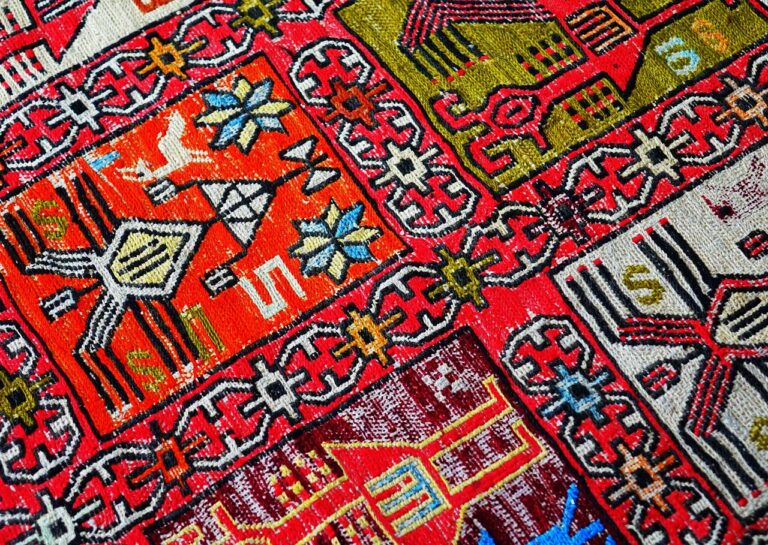
Turkish carpets are among the most famous crafts in the world, and behind every woven pattern lies a tradition that stretches back…

The Modern Art Scene in Istanbul
Istanbul is a city of layers, and its contemporary art scene sits on top of thousands of years of history like the…

A Deep Dive into Turkish Family Values
Family is the institution at the center of Turkish society, and its values shape everything from daily courtesy to national politics.