Every culture has its own way of naming children, and Turkey’s is one of the most expressive in the world. A Turkish name is rarely a random label; it is a wish, a tribute, a piece of history, or all three at once. Parents choose names for their meanings, their sounds, and their associations, and the result is a fascinating mirror of the country’s language, religion, and family values. This guide explains the structure of Turkish names, how they are chosen, and the customs that surround them.
The Structure of a Turkish Name
A Turkish name follows a simple, logical structure. A person has a given name, the first name, chosen by the parents, and a family name, the surname, shared with the family and passed down from the father. There is no fixed order confusion; the given name always comes first.
Middle names exist but are uncommon. When they appear, they are usually chosen from the mother’s side of the family or carry special meaning. Many Turks simply have one given name and one surname, which keeps official life refreshingly simple.
The surname is a relatively modern addition, and we will explore its history shortly. For now, the key point is that Turkish names, first and last, are almost always Turkish in origin, pronounceable, and meaningful, and they are used with a warmth that visitors quickly notice.
The Meaning Behind the Names
The most distinctive feature of Turkish naming is its obsession with meaning. Nearly every traditional Turkish name has a dictionary definition, and parents choose names specifically because of what they say. Boys and girls are named for qualities, natural objects, and concepts.
Common meanings include moonlight, dawn, ocean, rose, falcon, lion, and health. Popular girls’ names such as Aylin mean “halo of the moon,” while Deniz means “sea” and is used for both genders. Boys might be named Aslan, “lion,” or Yigit, meaning “brave and honorable.”
The meaning is not decoration; it is a hope. By naming a child, parents express what they wish for them. A girl called Mutlu carries “happiness” for life. A boy called Baris, “peace,” carries a blessing. Visitors asking about name meanings will always get a warm explanation.
The habit also extends to surnames, which often describe places, occupations, or qualities. A surname like Demirci tells you that an ancestor worked with iron, while Kaya suggests rocky land and Yilmaz, meaning dauntless, records a family’s pride. Reading Turkish names is a little like reading a map of the country’s geography and trades.
Naming After Family and Ancestors
Turkish tradition is careful about naming children after relatives. The most honored custom is naming the first son after the paternal grandfather and the first daughter after the paternal grandmother, keeping names alive through generations.
This is a choice, not a rule. Some families continue the tradition strictly, while others prefer fresh names. Naming a child after a living elder is seen as respectful, though some families reserve it for those who have passed away.
The practice carries practical benefits. Repeating names across generations keeps family history vivid, and the elderly feel honored when a grandchild carries their name. If you hear the same name repeated through a family tree, you are seeing this tradition at work.
The Influence of Religion
Religion has shaped Turkish naming deeply, though the country’s secular modern history has added layers. Many names come from Arabic through Islam, including the names of prophets and figures from the Quran. Names such as Mehmet, Ayse, Fatma, and Ibrahim are widespread.
Since the early republic, a strong movement has revived names of Turkish origin, drawn from pre-Islamic history, Central Asian Turkic roots, and Turkish mythology. Names like Alp, “hero,” and Turan have become patriotic choices that look back to ancient Turkish identity.
The balance is typical of Turkish culture: the two streams, Islamic and Turkic, flow together. A single family might include a Mehmet and an Alp among its members, and nobody finds this unusual. The name pool reflects the country’s whole history.

Modern and Trendy Names
Turkish naming evolves with the times, and popular-name lists change every few years. Modern parents increasingly favor names that sound contemporary and travel well, while still carrying meaning. Some blend traditional roots with modern sound.
Trends come and go. Names popularized by actors, singers, and television series suddenly rise, then fade. Foreign-derived names appear too, though they are usually adapted to Turkish spelling and pronunciation rules, which favor certain vowel and consonant patterns.
There is also a durable fashion for combining names. Some children receive two given names in the official record, such as Ali Kemal, honoring two relatives or two wishes at once. The practice doubles the blessing, and many Turks carry two first names through life.
How Children Are Named Today
The naming moment in a Turkish family is a small ceremony. The baby is usually named within the first days after birth, and relatives gather to hear the choice. The father announces it, the name is whispered into the baby’s ear, and the celebrations begin.
Official registration follows quickly, since the name must be entered on the birth certificate. The state maintains a list of acceptable names, and unusual or offensive ones can be rejected. Most parents check the list and find their choice waiting.
Relatives react with delight and commentary. Older generations may gently push for family names, while the parents defend their modern choice. The debate is affectionate and short, and the winner gets to say “I named the baby” for years to come.

The Turkish Surname Law
The surname is Turkey’s most dramatic naming story. Until 1934, most Turks had no family name at all; they were known by a given name plus a father’s name or a nickname. The young republic, modernizing under Ataturk, made surnames compulsory.
The 1934 Surname Law required every citizen to adopt a family name, and it banned titles and ranks in the old style. Ataturk received his own famous surname, meaning “father of the Turks,” from the Grand National Assembly. The law is still taught in schools as a cornerstone of the republic.
The law explains why Turkish surnames are so descriptive. Families chose or were assigned names drawn from occupations, appearance, places, and qualities. Many surnames are simply everyday words, which gives Turkish name lists a wonderfully concrete, earthy flavor.
Names in Daily Life: Forms of Address
Turkish names come with their own etiquette. First names are used widely and warmly, even in professional settings, though age and formality matter. Adding “Bey” for men and “Hanim” for women after a name signals respect, as in Ahmet Bey or Zeynep Hanim.
Within the family, affection transforms names. Children add “anne” and “baba” for mother and father, and elders are called “abla” and “abi,” older sister and brother, even when unrelated. These terms of address extend family feeling into the whole community.
For foreigners, the customs are forgiving. Using a first name is almost always acceptable, adding “Bey” or “Hanim” is a polite touch, and asking how to address someone is never offensive. Turks will simply be pleased that you took an interest. One more detail helps visitors: Turkish given names are almost always clear about gender, and pronunciation follows simple rules once you know the alphabet. A name such as Emre or Elif is easy to say, and locals genuinely appreciate the attempt, however imperfect the accent.

Naming Customs for Births and Milestones
Names attach to life’s milestones in memorable ways. At birth, the name is the first gift. For boys, circumcision ceremonies in some families carry a small celebration of the child’s name and identity. For girls, the name travels into marriage, since Turkish women keep their surnames after marriage in the modern legal system.
The custom of keeping one’s surname is a point of pride. Some couples adopt the husband’s surname at marriage, but many women keep their own, and children traditionally take the father’s surname. The rules have become flexible, with court decisions allowing varied combinations.
Names also mark milestones in the wider family. When a new baby arrives, relatives repeat the old names aloud, and the child grows up hearing the story of every relative whose name they carry. The name, in this way, is a family biography.
Turkish Names for Visitors and Newcomers
Visitors often find Turkish names exotic and delightful, and curiosity is welcomed. Asking about the meaning of someone’s name is one of the easiest ways to start a warm conversation. Turks enjoy explaining their own names and will often ask yours in return.
Foreigners who marry into Turkish families or spend long periods in the country sometimes adopt a Turkish name alongside their own. This is an honor, not a requirement, and it is usually offered by friends or in-laws with ceremony and affection.
If you are learning Turkish, practicing with names is excellent training, since they use the full alphabet, including the dotted and undotted i and the special consonants. Every name you learn is a lesson in pronunciation and a bridge into the culture.
Frequently asked questions
Do Turkish people have middle names?
Middle names exist but are uncommon in Turkey. Most people carry a single given name and a single surname. Some families add a second given name, especially to honor a grandparent or combine wishes, and then the two first names are used together, such as Ali Kemal. The legal record is flexible, but the classic Turkish pattern is one first name and one surname.
Why are Turkish names full of meaning?
Turkish naming tradition treats the name as a blessing and a wish. Parents choose words for what they hope the child will become or carry through life, such as courage, light, the sea, or peace. This practice combines Turkic tradition, where names described qualities and nature, with Islamic custom, which values beautiful and meaningful names.
Can a foreigner take a Turkish name?
Yes, though it is usually a gift rather than a legal requirement. Turkish friends or in-laws may bestow a Turkish name on a foreigner as a sign of affection and belonging. Some foreigners adopt one for daily use while keeping their legal name. The gesture is an honor, and Turks will be genuinely moved if you use it.

All Over Information
The All Over Information editorial team researches and writes practical English-language guides to Turkey. Facts are checked against official and local sources before publication, prices are published as dated ranges rather than quotes, and guides are revised when things change. We accept no sponsored posts, paid placements or paid links.
More guides like this

Ramadan Iftar Traditions in Turkey
If you visit Turkey during the month of Ramadan, you will witness a transformation.
Understanding Traditional Turkish Folk Instruments
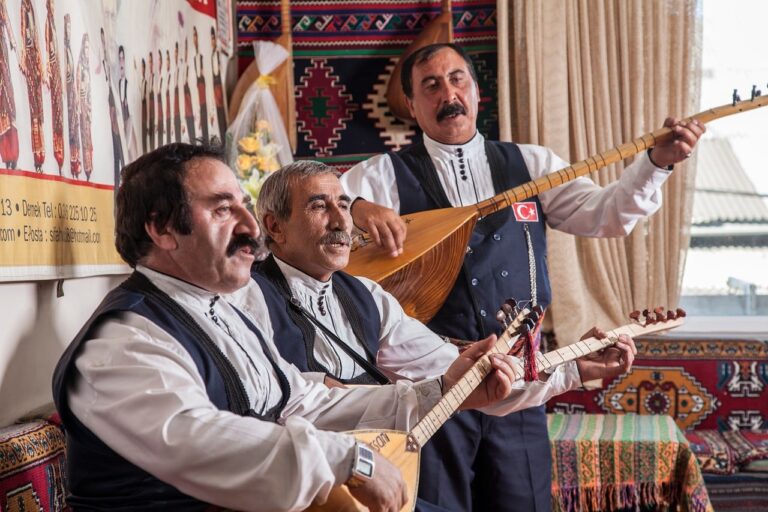
Turkish folk music is carried by a family of instruments that most visitors hear before they ever see them: the twang of…

Understanding the Silk Road Era: A Beginner’s Guide
Mention the Silk Road and images come to mind: camel trains, desert oases, and merchants bargaining over silk and spices. But the…

Ottoman Calligraphy: History and Modern Revival
In Islamic civilization, the written word is also an art, and Ottoman calligraphy raised that art to one of its highest peaks.
Turkish Naming Traditions Explained for Foreigners
Turkish names can look puzzling at first, with their dotted letters, unfamiliar sounds, and meanings hidden inside everyday words.

A Deep Dive into Turkish Superstitions
Turkish superstition is a vast and living tradition that reaches back through millennia of Mediterranean, Anatolian, and Islamic belief.