Gender roles in Turkey are a study in contrasts. On one side stand the legacy of the republic, which gave women education and public careers, and on the other stand deep traditions of family hierarchy and religious conservatism. The result is a society where women lead banks and men cook for guests, where expectations differ sharply by region and generation. This guide explains how gender roles work in modern Turkey, where they come from, and how they are changing.
A Society in Transition
Turkey is in the middle of a long transition in gender relations, and the transition is visible in daily life. A generation ago, the roles were clear: men worked and led, women raised children and ran the home. Today, the picture is mixed, with women in every profession and men increasingly sharing domestic duties, while older patterns persist in many families.
The transition is uneven. In the big cities, gender equality is approaching European norms in education and employment. In rural areas and conservative communities, the traditional division of roles remains strong. The result is a society where the experience of being a man or a woman depends heavily on where you live and how you were raised.
For the visitor, the unevenness is part of Turkey’s character. You will meet professional women in Istanbul and traditional households in villages, and both are authentically Turkish. Understanding the transition, rather than judging its parts, is the key to reading gender in modern Turkey.
The Legacy of the Republic
The modern Turkish discussion of gender begins with the republic. When the Republic of Turkey was founded, its reforms included civil equality, education for women, and the right of women to work and vote. The republic’s founder made the emancipation of women part of the national project, and the early decades produced the first generation of Turkish women professionals.
The legacy is real and visible. Turkish women have been doctors, judges, and parliamentarians for generations, and the republic’s ideals remain the framework for public discussion of gender. The statues of the republic’s era, the schools named for its reformers, and the official rhetoric all point in the same direction.
But the legacy is also contested. The republic’s reforms were implemented unevenly, and the countryside was slower to change than the cities. The tension between the republic’s promises and the reality of family life is one of the persistent themes of Turkish gender history, and it continues to shape the present.
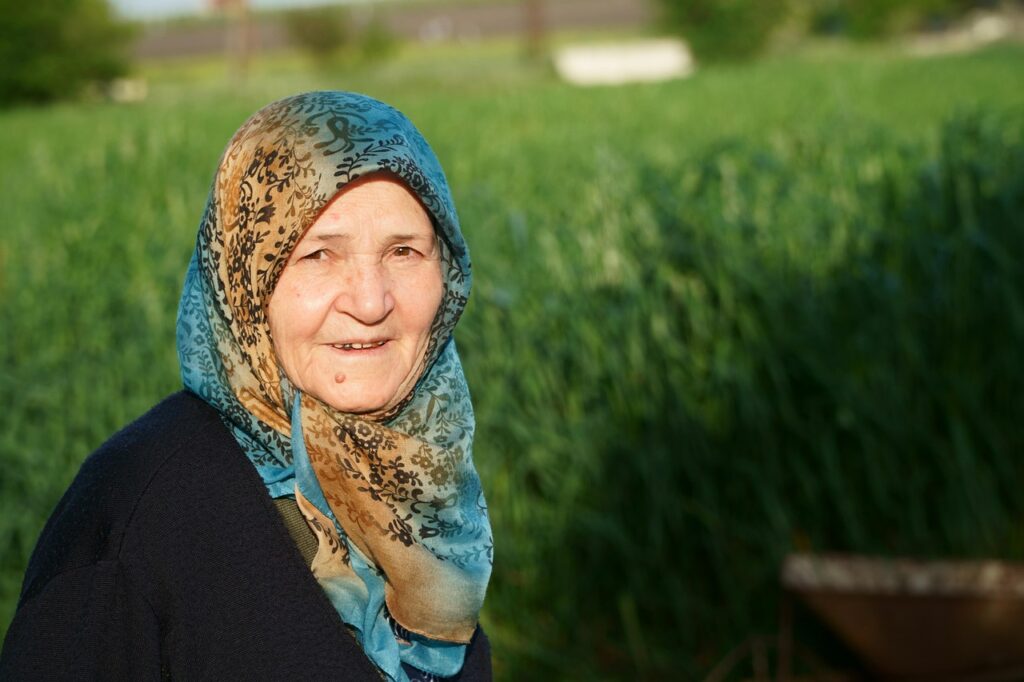
Women in the Workplace
Women’s participation in the Turkish workplace has grown steadily, though it remains below Western levels. Women are visible in medicine, law, education, and business, and female professionals are common in the cities. The working woman is no longer an exception in Turkey, and her presence is changing family life.
The workplace, however, is not equal. Women face barriers in promotion, earn less than men in many sectors, and carry the double burden of work and domestic responsibility. The expectation that women manage the home persists even when they work, and the tension between career and family is a daily reality for many Turkish women.
For the visitor, the workplace is one window into Turkish gender. The female doctor who treats you, the woman running a shop, the male colleague who takes parental leave: all are part of the changing picture. The workplace is where the transition is most visible and most contested.
Men and the Breadwinner Ideal
The traditional ideal of Turkish masculinity is built around providing. The man is expected to be the breadwinner, the protector, and the head of the household, and his status depends on his ability to fill these roles. The ideal is fading in the cities but remains powerful, and it shapes men’s choices about work, marriage, and family.
The breadwinner ideal carries costs for men. The pressure to provide can be heavy, and men who fail to meet it lose status. The expectation of emotional restraint, that real men do not show weakness, is part of the same code, and it leaves many men without an emotional vocabulary.
The ideal is changing. Young urban men share domestic duties, take part in childcare, and reject the strictest forms of the code. But the change is uneven, and the breadwinner ideal remains the default expectation in much of the country.

Family and the Division of Labor
Inside the Turkish home, the division of labor follows traditional lines, though the lines are shifting. Women traditionally manage the household, the cooking, and the children, while men handle finances, repairs, and representation of the family outside. The division is so familiar that it often goes unnoticed.
The shift is real but slow. Working women increasingly expect their husbands to share domestic duties, and young couples negotiate the division more equally. The grandmother who raised six children and the young husband who cooks dinner represent the two ends of the spectrum.
For the visitor, the domestic division of labor is visible in daily life. The men at the tea garden and the women at the market, the father pushing the stroller and the family where the mother does everything: all are part of the picture. The home is where gender roles are lived most intimately.
Education and Opportunity
Education is the great equalizer in Turkish gender relations. Since the republic, girls have been educated alongside boys, and female students now outnumber males at many universities. Education has opened professions to women and given them economic independence, and it is the strongest force for change in gender roles.
The gap persists in access. Girls in poor and rural areas still drop out earlier than boys, and early marriage remains a problem in some regions. The state and civil society work to close the gap, and the progress is measurable, but the disparities remain.
For the visitor, education explains the generation gap in Turkish gender attitudes. The university-educated young woman and her barely literate grandmother live in different worlds, and education is the bridge between them. Understanding this helps you understand the energy and the tension of Turkish gender change.

Religion, Tradition, and Modernity
Religion and tradition shape Turkish gender roles in ways that are easy to oversimplify. Conservative religious communities expect traditional roles, modest dress for women, and the family as the center of life. The religious tradition provides a framework of meaning for these expectations, and it remains influential across the country.
But the picture is complex. Religious women are also educated professionals, and many families combine religious observance with modern careers for women. The religious establishment itself debates the role of women, and the views range from strict to reformist. Religion and modernity coexist in Turkish gender in ways that resist easy categories.
For the visitor, the complexity is the lesson. The woman in the headscarf may be a doctor, and the woman in jeans may be deeply religious. Turkey does not divide neatly along religious lines, and understanding gender requires attention to individual lives rather than stereotypes.
Regional Differences
Gender roles in Turkey vary dramatically by region, and the variation is one of the country’s defining features. In the western cities, women’s education, employment, and freedom approach European levels. In the southeast and in rural areas, traditional roles are far stronger, and women’s lives are more closely controlled.
The variation follows economics and culture. The industrialized west has absorbed women into the workforce, while the agricultural east has kept the traditional division of labor. Migration is blurring the lines, as families from the east settle in western cities and carry their expectations with them.
For the traveler, the regional map is a guide to expectations. Dress codes, social customs, and the public presence of women all vary by region. The traveler who adapts to the local pattern will be more comfortable and more welcome.

The Young Generation
The young generation is the engine of Turkish gender change. Young Turks, especially in the cities, hold markedly more egalitarian views than their parents. Young women expect careers, equality, and choice in marriage, and young men increasingly accept and support these expectations.
The change is visible in daily life. Young couples share decisions and domestic work, young women travel and study freely, and the single young woman living independently is now common. Social media amplifies the change, connecting young Turks to global conversations about gender.
The change is not without tension. Young people often navigate between their modern expectations and their families’ traditional ones, and the negotiation can be difficult. But the direction is clear, and the young generation is carrying Turkish gender relations toward greater equality.
What Visitors Should Know
For visitors, the practical lessons about gender in Turkey are simple. Dress modestly in conservative areas, and respect local customs around interaction between men and women. In the cities, the rules are relaxed, and visitors will find a society that is largely familiar and welcoming.
The deeper lesson is to avoid stereotypes. Turkey is not a country where gender can be reduced to a single image, and the visitor who treats each person as an individual will be rewarded. The professional woman, the traditional housewife, the young feminist, and the conservative father all exist, and all are Turkish.
Finally, understand that gender in Turkey is a conversation, not a conclusion. The society is debating its roles openly, and the debate is part of the country’s vitality. Engage with it respectfully, and you will understand not only gender in Turkey but Turkey itself.
Frequently asked questions
Is Turkey a conservative country regarding gender?
It depends on the region and generation. The western cities are largely liberal, with women in every profession, while rural and southeastern areas maintain traditional roles. The picture is mixed and changing, and generalizing about the whole country is misleading.
Can female tourists dress freely in Turkey?
In the big cities and tourist areas, dress is relaxed and visitors are welcome in regular clothing. In conservative and rural areas, modest dress is expected and respected. Adapting to local norms makes travel smoother and shows respect for the culture.
Are gender roles in Turkey changing?
Yes, and rapidly. Young Turks hold more egalitarian views than their parents, women’s education and employment are rising, and young couples share domestic duties. The change is uneven by region, but the direction toward greater equality is clear.

All Over Information
The All Over Information editorial team researches and writes practical English-language guides to Turkey. Facts are checked against official and local sources before publication, prices are published as dated ranges rather than quotes, and guides are revised when things change. We accept no sponsored posts, paid placements or paid links.
More guides like this

Ottoman Calligraphy: History and Modern Revival
In Islamic civilization, the written word is also an art, and Ottoman calligraphy raised that art to one of its highest peaks.
Understanding the Ottoman Tile and Ceramic Tradition: A Beginner’s Guide
If you have ever stood inside a great Ottoman mosque and felt the walls glow around you, you already know the power…

Understanding Turkish Time and Punctuality Norms
Time works differently in Turkey, and understanding how can save you frustration and even embarrassment.

Turkish Skincare and Beauty Traditions
Long before the modern beauty industry, the women of the Ottoman Empire and Anatolia had developed a sophisticated skincare tradition built from…

Basketball Culture in Turkey
Turkey is famous for football, but basketball runs it a close second in passion and success.

A Deep Dive into Gift-Giving Customs in Turkey
Gift-giving in Turkey looks simple on the surface and reveals layer after layer the longer you look.