The extended family is the true center of Turkish society, a web of grandparents, parents, children, aunts, uncles, and cousins who share everything from Sunday dinners to financial support. For visitors, this family system is both fascinating and central to understanding the country: it explains why Turks are so warm to strangers, why family gatherings are so frequent, and why relationships matter more than rules. This guide explains how Turkish extended families actually work, from their structure and rituals to their role in modern life.
The Shape of the Turkish Family
The Turkish extended family reaches far beyond the nuclear household. Grandparents, adult children, and their families often live in the same building or neighborhood, and the bonds extend through aunts, uncles, and cousins who gather regularly. When a Turk says family, they mean this whole network, and its members support one another through every stage of life.
The family has a clear internal order. The oldest generation holds the highest authority and the deepest respect, and decisions of importance are often discussed with them first. The eldest son traditionally carries particular responsibilities, while daughters maintain close ties to their own families and the wider kin group.
This structure is not a relic; it is the operating system of Turkish social life. The family organizes weddings, celebrates holidays, raises children, pools resources, and provides the safety net that in other countries is the state’s job. Understanding its shape explains the rhythm of Turkish life.
The Role of Grandparents
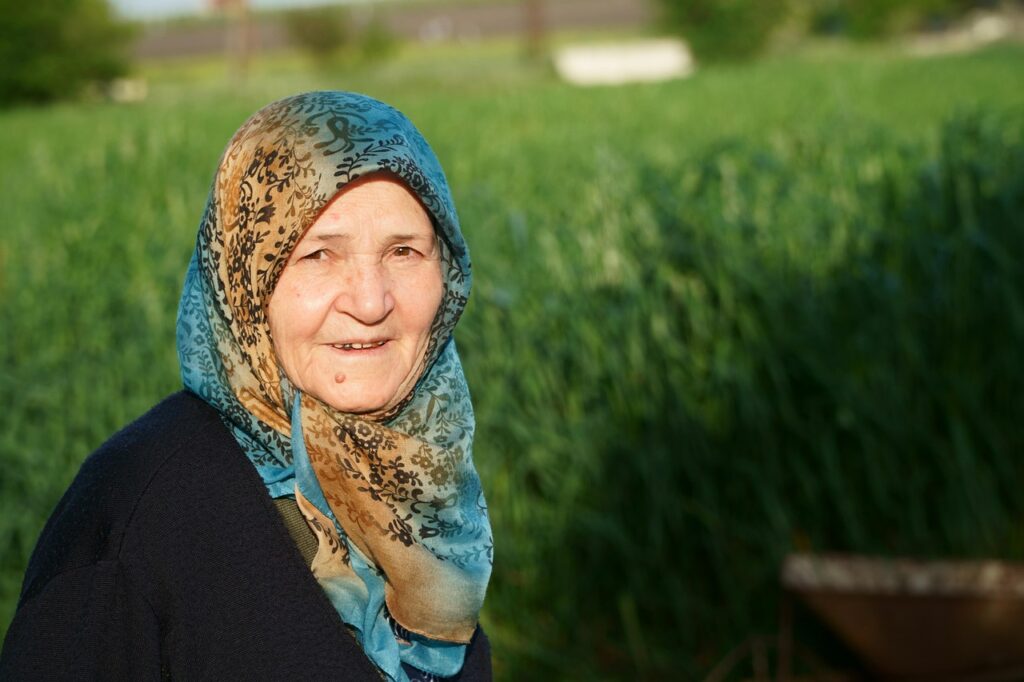
Grandparents are the beating heart of the Turkish extended family. They are the memory keepers, the storytellers, and the moral authority of the kin group, and their homes are natural gathering places. In many families, grandparents live with or near their children, and their daily presence shapes the lives of everyone around them.
The grandmother, the nine or anneanne, is often the practical center of family life. She may cook for the whole extended family, care for the grandchildren while parents work, and keep the family traditions alive through recipes and rituals. The grandfather, the dede, carries authority and wisdom, and his blessing matters at weddings and major decisions.
Grandparents also anchor the family’s identity. They transmit the family history, the hometown connections, and the values that define the kin group. For a visitor invited into a Turkish home, the grandparents are the figures to honor first, because in their presence you are meeting the family’s living root.

The Rhythm of Family Gatherings
Turkish extended families gather with a frequency that surprises many visitors. Weekly dinners at the grandparents’ home, holiday feasts, Sunday lunches, and casual evening visits are the standard rhythm, and attending them is considered a duty and a pleasure in equal measure. The gatherings are loud, generous, and full of food.
The family table is the stage of these gatherings. Meals are served family style, with the eldest served first, and the table stays full for hours as conversation, tea, and more food follow the main course. The meal is not an event between courses; it is the whole afternoon, and no guest is allowed to leave hungry.
These gatherings serve real functions beyond pleasure. They maintain the family’s bonds, transmit news and decisions, and keep the elders connected to the younger generation. For the visitor invited to a family gathering, the experience is a masterclass in Turkish warmth and the surest way to understand the culture from the inside.
Financial Cooperation Within the Family
The Turkish extended family functions as an economic unit, pooling resources and supporting its members through life’s turning points. Wedding costs, the purchase of a home, a child’s education, and the care of aging parents are often shared across the family, with contributions expected according to ability.
This cooperation runs on obligation and love in equal measure. A young couple starting out receives furniture and gold from relatives, a student is supported by uncles and aunts, and a family facing hardship can rely on the kin group to rally. The tradition of the dowry chest and the wedding gold are visible expressions of this shared economy.
For the visitor, this economic web explains many Turkish behaviors. The generosity of hosts, the careful saving for celebrations, and the family discussions around money all reflect a system where the family’s welfare is everyone’s business. The family is not just an emotional unit; it is a mutual insurance society.

Raising Children Together
Children in Turkish extended families are raised by the whole kin group, not just their parents. Grandparents provide daily care, aunts and uncles offer guidance and treats, and cousins are the first friends. The child grows up knowing that a wide circle of adults loves, watches, and protects them.
This shared upbringing has clear effects. Turkish children are remarkably comfortable with adults, polite to elders, and deeply attached to their families. The discipline is warm rather than harsh, with the whole family participating in praise, correction, and celebration of the child’s milestones.
For a visitor, the family’s children are a window into the culture’s values. Watch how the family gathers around a baby, how the grandparents guide the older children, and how every milestone is celebrated collectively. The children are the family’s shared treasure, and their care is everyone’s honor.
Marriage and the Joining of Families
Marriage in Turkey joins not just two people but two extended families, and the wedding is the great ceremony of this joining. The process traditionally involves the families from the start: a formal request, a betrothal ceremony, and negotiations that bring the two kin groups into alliance. Modern couples meet and choose freely, but the family involvement endures.
The wedding itself is a family production. Hundreds of guests may attend, the gold and gifts flow publicly, and the celebrations can span days. The new couple is launched into married life with the full material and emotional support of both families, and the alliance between the kin groups becomes a permanent bond.
For the foreign visitor who attends a Turkish wedding, the experience is overwhelming and unforgettable. The ceremony is not just about the couple; it is a celebration of two families becoming one, and the warmth and scale of the event will show you exactly what family means in Turkey.

Family Responsibilities and Obligations
Membership in a Turkish extended family carries real obligations, and these are taken seriously. The young are expected to respect and care for the old, the able are expected to support the struggling, and everyone is expected to attend the family’s gatherings and honor its occasions. The obligations are enforced by love and by the quiet pressure of community expectation.
The duties are practical and emotional. Adult children visit their parents regularly, often daily, and the parents’ care in old age is a family task, not an institutional one. Family members are expected to attend weddings, funerals, and holidays, and absence is noted. The family reputation depends on each member’s conduct.
These obligations give Turkish life its texture of commitment. For the visitor, they explain why Turks are so reliable in their friendships and so attentive to their relationships. The family system trains everyone in the art of showing up, and that art extends to guests as well.
The Extended Family in Modern Turkey
Modern Turkey has changed the extended family without dissolving it. Urban migration has scattered relatives across cities, women’s careers have reshaped household roles, and smaller apartments have ended the era of the three-generation home for many. Yet the family’s pull remains remarkably strong.
The modern adaptation runs on technology and travel. Group chats keep distant relatives in daily contact, holiday gatherings bring the scattered family home, and the grandparents’ house remains the fixed point of the family’s orbit. Young Turks who live in Istanbul or abroad still call their mothers daily and return for every bayram.
The values endure beneath the changes. Loyalty, respect for elders, and the family’s priority over the individual remain the moral core, and modern Turks negotiate their independence within these limits. The extended family has proven itself the most resilient institution in Turkish life.
What Visitors Should Understand
For visitors, understanding the Turkish extended family unlocks the country. The warmth you receive from strangers is the warmth of the family extended to guests; the generosity of hosts is the generosity of the kin table; and the importance of relationship over rules explains why Turks invest so heavily in personal connections.
Practical guidance follows from this understanding. If you are invited to a family gathering, accept with genuine pleasure, bring a small gift, and greet the eldest first. Praise the food, take part in the conversation even with limited Turkish, and do not leave too quickly. Your participation will be treasured.
Most of all, remember that the family is the lens through which Turks see the world. When you honor the family, you honor Turkey itself, and the country will respond with the full warmth of its greatest institution.
The Family Name and Its Honor
The family name carries real weight in Turkish social life, and the honor attached to it shapes behavior. A family’s reputation, built over generations, is a form of social capital, and every member is expected to protect it. Misconduct by one relative can cast a shadow over the whole kin group.
This is why families invest so much in the conduct of their members. Children are taught that their actions reflect on the family, young adults are guided toward choices that bring pride, and the family celebrates achievements as collective victories. The name is both a gift and a responsibility.
For the visitor, the family name explains much about Turkish manners. The care with which hosts behave, the seriousness of family occasions, and the importance of treating guests well are all ways of honoring the name. When you respect the family’s honor, you become part of its story.
Frequently asked questions
How often do Turkish extended families gather?
Most Turkish families gather weekly, often for a Sunday dinner at the grandparents’ home, and the gatherings multiply around holidays, weddings, and life events. Daily visits and phone calls between close relatives are common. The family table is the fixed point of Turkish social life.
Do grandparents live with their children in Turkey?
Many do, especially in the traditional pattern, and adult children commonly live in the same building or neighborhood as their parents. Even when separate, grandparents are daily presences in their grandchildren’s lives. The pattern is shifting with urban life, but close proximity remains the ideal.
What should I do if invited to a Turkish family gathering?
Accept with pleasure and bring a small gift such as sweets or flowers. Greet the eldest family members first, praise the food, and join the conversation with warmth. Do not rush your departure, because the gathering is the family’s ceremony and your participation is genuinely treasured.

All Over Information
The All Over Information editorial team researches and writes practical English-language guides to Turkey. Facts are checked against official and local sources before publication, prices are published as dated ranges rather than quotes, and guides are revised when things change. We accept no sponsored posts, paid placements or paid links.
More guides like this

A Deep Dive into Turkish Youth and Social Media Trends
The social media culture of Turkish youth is one of the most dynamic in the world, and it is not an accident…

Turkish Street Food Culture Explained for Foreigners
Turkish street food is one of the great pleasures of visiting the country, and also one of the most intimidating for first-timers.

Turkey’s Earthquake Risk: What Residents and Visitors Should Know
Turkey is one of the most earthquake-prone countries on earth.

Understanding Turkish Football Fan Culture
Football in Turkey is not a pastime; it is a passion that runs through the whole society.

A Deep Dive into the History of Turkish Cinema
The history of Turkish cinema is a century-long story of invention, ambition, collapse, and renewal, and it mirrors the history of modern…
Understanding the Ottoman Tile and Ceramic Tradition: A Beginner’s Guide
If you have ever stood inside a great Ottoman mosque and felt the walls glow around you, you already know the power…