Termessos is the wildest of Turkey’s great ancient cities, a Pisidian stronghold built high in the Taurus mountains above Antalya, surrounded by the forest of a national park. Visiting it is a true adventure: a mountain road, a walk through the woods, and a ruined city that Alexander the Great could not conquer. This guide covers everything you need for the trip, from tickets and hours to the climb, the conditions, and the practical details that make the difference between a great day and a hard one.
Getting to Termessos
Termessos lies in the mountains northwest of Antalya, inside the Gulluk Dagi National Park. The site is reached by a road that climbs from the Antalya plain into the forest of the mountain.
From Antalya, the drive takes about an hour, depending on traffic. The road through the national park is winding and steep in places, but it is well maintained, and the scenery, through the pine forest, is part of the experience.
There is no reliable public transport to the site. Most visitors drive themselves or join an organized tour from Antalya. If you drive, a sturdy car helps on the final sections of the mountain road.
Visit early in the morning. The site opens early, the climb is cooler, and the light on the mountain is at its best. The tour groups from Antalya arrive later, and the morning gives you the ruins in peace.
The National Park Approach
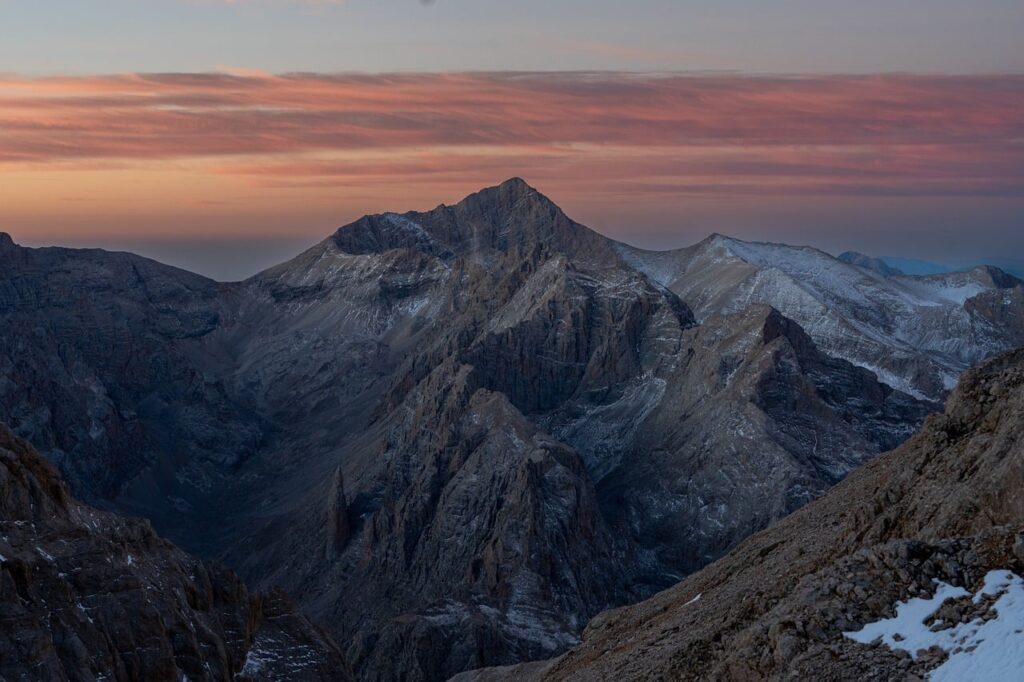
The approach to Termessos runs through the Gulluk Dagi National Park, and the park is half the experience. The forest closes in around the road, and the air turns cool as you climb.
The park protects the wild landscape of the mountain, and you are likely to see its wildlife, from birds of prey circling above the peaks to the tortoises that cross the paths in the warm months.
The road ends at a parking area below the city, and from there the ancient site begins. You will walk the rest of the way, up through the forest to the ruins of Termessos.
Follow the route that suits your fitness, and do not try to see everything. The lower city, the theatre, and the tombs are the essentials, and the acropolis is for those with energy to spare.
Tickets and Entry
Entry to Termessos is by ticket, purchased at the entrance point of the national park area. The ticket covers the site and the park, and the price changes from year to year.
The ticket office is small, and English signage is limited, so it helps to have the payment ready and to be patient. There is no need to book in advance; the site is rarely crowded, and you can simply arrive.
Ask at the ticket office about the current arrangements, including the hours of the site, which can vary with the season and with the park’s schedule.
Finally, leave time to sit and listen. Termessos is a place of extraordinary silence, and the travelers who pause longest, among the tombs or in the theatre, are the ones who remember it most.
Hours and Time Needed
Termessos is open daily, with hours that vary by season. In summer the site opens early and closes in the evening; in winter the hours are shorter, and the mountain weather can close the site entirely.
Allow a full half day for the visit. The drive, the walk through the forest, and the exploration of the ruins together take about four to five hours, and the site rewards a slow pace.
The climb to the upper parts of the city, including the theatre and the agora, takes real time, and you will want to stop often to catch your breath and to look at the views.
The seasons transform Termessos more than most sites. In spring, the mountain is green, the forest is full of flowers, and the air is fresh and cool. The wildflowers of the Taurus bloom among the ruins, and the site is at its most beautiful.
The Walk Through the Forest
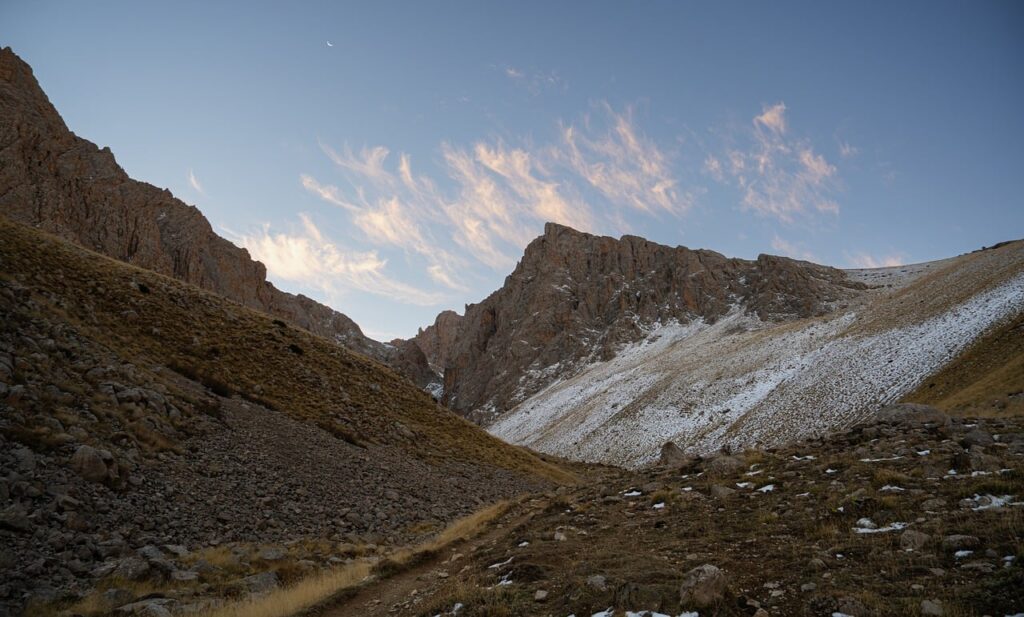
From the parking area, the path to Termessos climbs through the forest toward the ruins of the lower city. The walk takes about thirty minutes at a steady pace, longer if you stop to enjoy the woods.
The path is the ancient approach to the city, and it is part of the experience. The forest is full of birds, the light filters through the pines, and the first walls of Termessos appear suddenly among the trees.
Carry water for the walk, and take your time. The forest is cool and beautiful, and the climb is a gentle introduction to the city above.
In summer, the site is hot and exposed, and the climb is hard work. The early morning is the only truly comfortable time, and the afternoon sun on the open terraces is fierce. The rewards, though, are the clearest views of the year, with the peaks sharp against the sky.
What You Will See
The ruins of Termessos are spread across the terraces of the mountain, and the highlights are clear. The theatre, cut into the rock of the peak, is one of the most dramatic in Turkey, its seats looking out over the forest and the mountains.
The agora, the great square of the city, is lined with the ruins of the public buildings, and the gymnasium and the baths show the Roman life of the city. Above all this rises the rock of the acropolis.
The most haunting sights are the rock-cut tombs, spread across the slopes below and around the city. The largest of them, with their carved facades and their lion reliefs, are among the finest in the ancient world.
Autumn brings golden light and cool air, and winter can bring snow to the heights. On clear winter days, the ruins stand among the snow, and the theatre looks out over a white forest. Each season gives you a different Termessos, and all of them are memorable.

The Theatre of Termessos
The theatre is the heart of any visit to Termessos, and it is one of the most spectacular ancient buildings in Turkey. It was cut into the natural rock of the mountain, and its seats rise in a great curve.
From the top of the theatre, the view is unforgettable. The forest of the park spreads below, the peaks of the Taurus rise around you, and the ruins of the city lie at your feet.
The theatre was rebuilt in the Roman period, and its stage building, though ruined, still shows the grandeur of the original. Sit in the top rows and let the silence of the mountain settle around you.
The views from Termessos are among the finest in Turkey, and they are worth planning around. From the theatre and the agora, the forest of the national park spreads below you, rolling down toward the plain of Antalya and the sea.
The Climb and the Conditions
Visiting Termessos means climbing. The site rises from the lower terraces to the acropolis, and the paths are steep in places, made of the rough stone of the mountain.
The climb is demanding in the heat, and the site has no shade above the tree line. Sturdy shoes with good grip are essential, and you should carry more water than you think you need.
Take the climb slowly and stop often. The views reward every pause, and the site is best enjoyed at a steady, careful pace, with the forest and the peaks around you.
On a clear day you can see the coast, the Gulf of Antalya, and the mountains of the Taurus stretching into the distance. The height of the city gives you a perspective that no other ancient site can match.

What to Bring
Water is the first essential at Termessos, and you cannot carry too much of it. The climb and the exposed ruins will drain you faster than you expect, and there are no fountains on the site.
Bring food as well. There is no restaurant at the site, and the nearest services are back in the valley, so a packed lunch eaten among the ruins is the practical and the memorable choice.
A hat, sun protection, and a light jacket complete the list. The sun is fierce on the open terraces, and the wind on the heights can turn cold without warning.
The best light comes in the morning and the late afternoon, when the sun is low and the mountains take on depth and color. Time your visit to be at the theatre in one of those windows, and the view will stay with you.
Facilities and Comfort
Facilities at Termessos are minimal, as befits a wild mountain site. There is a simple refreshment point near the parking area, but you should not rely on it, and the toilet facilities are basic.
The site is not commercialized, and that is its charm. You will not find gift shops or cafes among the ruins, only the forest, the stone, and the silence.
Go prepared for a day in the mountains, and the site will give you one of the most rewarding experiences in Turkish travel.
Frequently asked questions
How long does the walk up to Termessos take?
The walk from the parking area to the lower city takes about thirty minutes through the forest, and exploring the ruins above takes another two to three hours. The climb to the acropolis adds more time. Allow a full half day for the complete experience, including the drive from Antalya.
Is Termessos suitable for children?
Older children who enjoy walking will love the adventure of Termessos, with its forest, its ruins, and its dramatic views. The climb and the rough paths make it difficult for young children and pushchairs, and the site has no shade in its upper parts, so summer visits need extra care.
What should I bring to Termessos?
Bring plenty of water, more than you think you need, and food, since there is no restaurant at the site. Sturdy shoes with good grip are essential for the rough paths, and a hat and sun protection are necessary in the warm months. A light jacket is wise for the wind on the heights.

All Over Information
The All Over Information editorial team researches and writes practical English-language guides to Turkey. Facts are checked against official and local sources before publication, prices are published as dated ranges rather than quotes, and guides are revised when things change. We accept no sponsored posts, paid placements or paid links.
More guides like this

Visiting Sardis: Tickets, Hours, and Tips
Sardis, the ancient capital of King Croesus, is one of Turkey's great archaeological sites and also one of its most relaxed.

Best Time to Visit Kaymakli Underground City to Avoid Crowds
Kaymakli Underground City is one of Cappadocia's most atmospheric experiences, and one of its great advantages is that it rarely feels as…
Pergamon Through the Centuries
Pergamon lived for more than two thousand years, and its centuries are written across the hill above Bergama and the plain below.

The Complete History of Sardis
Sardis was one of the great cities of the ancient world, the capital of the Lydian kingdom, the seat of the legendary…
Why Mount Nemrut Should Be on Your Turkey Bucket List
Some ancient sites reward a short detour; Mount Nemrut rewards the entire journey.

The Architecture of Cappadocia’s Underground Cities Explained
The underground cities of Cappadocia are among the most remarkable pieces of architecture ever created, not because they are beautiful but because…