Termessos is one of the most extraordinary ancient cities in the world: a Pisidian mountain city built high in the Taurus range above Antalya, a place so defensible that even Alexander the Great could not take it. Its ruins, surrounded by a national park, are among the most dramatic in Turkey. This is the complete history of Termessos, told in the order it happened, from the mysterious highlanders who built it to the wild ruins you can explore today. Its ruins, surrounded by the forest of a national park, are among the most dramatic in Turkey, and this guide follows Termessos century by century, from the mysterious highlanders who built it to the wild ruins you can explore today.
The Land of the Pisidians
Termessos was the city of the Pisidians, a people of the mountains of southern Anatolia. The Pisidians were highlanders, famous in the ancient world for their independence and their warlike skill.
Their land, Pisidia, lay in the rough country between the plain of Pamphylia, where Antalya now stands, and the lakes and mountains of the interior. The Pisidians lived in fortified cities on the heights, and they resisted every attempt to conquer them.
Termessos was one of the greatest of these mountain cities. It stood on the slopes of Mount Solymos, now called Gulluk Dagi, at an altitude that made it almost impossible to attack and supremely easy to defend.
The life of Termessos revolved around its public spaces, and the ruins tell you how the citizens lived. The agora, the great open square of the city, was the center of civic life, lined with the stoas and public buildings where the people gathered.
The Founding of the City
The origins of Termessos are lost in the mists of the mountains. The city seems to have been settled by the local people of the region, and its name and customs were those of the Pisidians, not the Greeks.
Greek writers connected the city with the Solymi, a people mentioned in the oldest poetry of the Aegean, and the mountain on which the city stood was named for them. The connection gave Termessos a legendary ancestry that stretched back to the heroic age.
What is certain is that by the time the Greeks and Romans came into contact with the region, Termessos was already a strong and independent city, master of its mountain and of the passes below it.
The city also had its temples and sanctuaries. The most important was the great temple of Zeus Solymos, the god of the mountain, whose ruined platform still crowns the site. The citizens of Termessos worshipped the god of their peak above all others.

The City on the Mountain
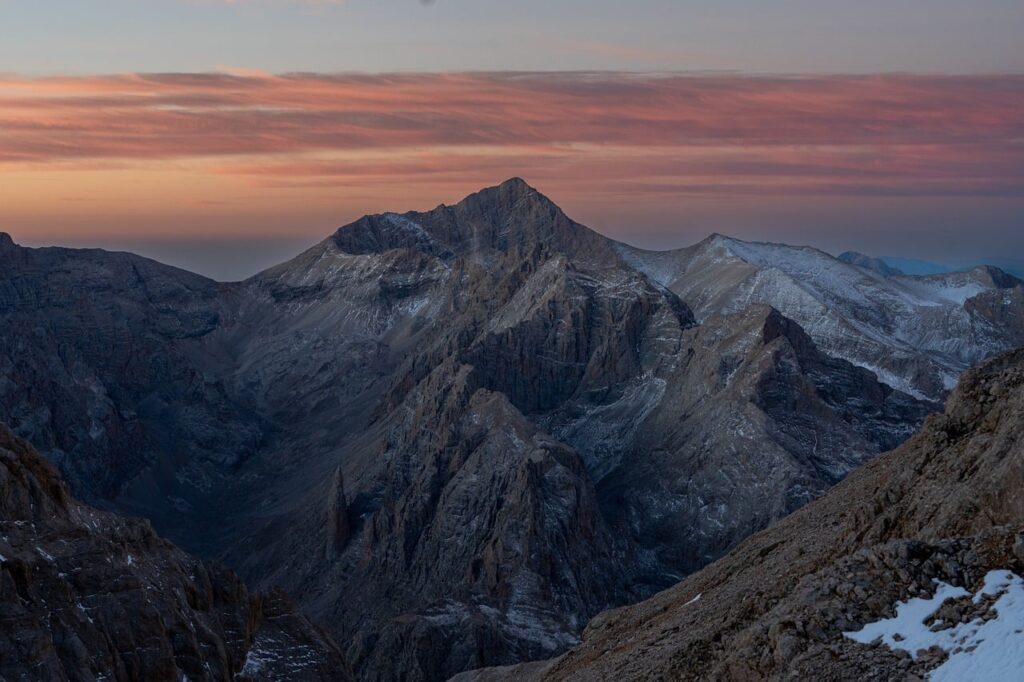
The site of Termessos dictated its history. The city was built on a shelf high on the mountainside, approached only by narrow and easily defended paths, and surrounded by the peaks of the Taurus.
The citizens of Termessos built their city on the mountain’s own terms. The buildings were fitted into the terraces of the slope, the walls followed the contours of the rock, and the city was woven into the mountain itself.
The position gave the city everything: water from the springs of the heights, timber from the forests, stone from the slopes, and a defense that no army could overcome. Termessos was a fortress city by nature.
The public life of the city was a life of assembly and debate. The citizens of this mountain republic governed themselves, passed decrees, and honored their benefactors, and the inscriptions they left give you a vivid picture of the freedom they defended against every conqueror.
Alexander and the Impossible Siege
The most famous moment in the history of Termessos came in 333 BC, when Alexander the Great passed through the region on his march along the coast. The story says that Alexander attacked Termessos, and the city refused to fall.
The details of the siege are lost, but the outcome is not in doubt. Alexander moved on, leaving Termessos unconquered, and the city became one of the few places in the ancient world that Alexander failed to take.
The story made Termessos famous. The small mountain city that defied the greatest conqueror of the age became a symbol of Pisidian independence, and the tale is still told by the guides who climb the mountain today.
Termessos survived on its mountain through the mastery of its resources. The city collected its water from the springs of the heights, storing it in cisterns and channeling it through the terraces of the city.

The Alliance with Rome
As the Roman power grew in the east, Termessos made a different kind of history. Rather than fight Rome, the city allied with it, and the alliance brought Termessos a remarkable status.
The city was granted the rights and privileges of a free and allied city, one of the highest honors Rome could give. Termessos kept its independence, its laws, and its lands, in return for its friendship.
The alliance is recorded in inscriptions that survive at the site, including the famous document that fixed the boundary between Termessos and its neighbors. The freedom Rome granted was the city’s greatest treasure, and it lasted for centuries.
The mountain also gave the city its timber, its stone, and its solitude. The forests that cover the slopes today are the same forests that sheltered the city, and the national park that protects them has kept Termessos wild.
The City at Its Height
In the centuries of its freedom, Termessos flourished. The city was rich from its control of the mountain passes, from its timber and its trade, and from its position on the road between the coast and the interior.
The citizens built in the grand style of the Hellenistic and Roman worlds. The city was equipped with a theatre, an agora, a gymnasium, a council house, and the baths that Roman civilization demanded.
The architecture of Termessos was fitted to its mountain. The theatre was cut into the rock of the peak, the agora was terraced on the slope, and the city’s public buildings rose among the pines, a Greek city in a Pisidian fortress.
That wildness is the city’s greatest gift to the visitor. Where other ancient cities are museum pieces, Termessos is still part of the mountain, and the forest, the springs, and the eagles make the ruins a living landscape rather than a dead monument.

The Rock-Cut Tombs
The most haunting monuments of Termessos are its tombs. The city’s necropolis is one of the largest and most impressive in the ancient world, spread across the mountain in the hundreds.
The people of Termessos buried their dead in tombs cut into the living rock, with carved facades, chambers, and sarcophagi. The largest tombs are monumental, decorated with reliefs of lions and carved with the names of the dead.
Walking among the rock-cut tombs of Termessos, you enter the most intimate part of the city. These were the houses of the dead, carved with love and pride, and they have survived the centuries better than the houses of the living.
The Roman Years
In the Roman period, Termessos continued to flourish. The city was a prize of the empire’s peace, and its citizens enjoyed the life of a free city within the Roman world.
The Roman years brought the familiar monuments of the age: the baths, the colonnades, the honorary inscriptions. The city’s theatre was rebuilt in the Roman style, and the city’s benefactors were honored in stone.
But even in its Roman prosperity, Termessos remained a mountain city. The life of the city was still the life of the Pisidians, and the freedom Rome had granted was still the pride of its citizens.
The Decline of the City
The decline of Termessos began with the changes of the later Roman and Byzantine centuries. The passes lost their importance, the trade moved to the plain, and the mountain city began its long slow emptying.
Earthquakes, the scourge of the region, damaged the city, and the steep site became ever harder for a shrinking population. By the Byzantine period, Termessos was a shadow of its former self.
The final centuries of the city are barely recorded. The churches that were built in the ruins show a small Christian community living on into the Middle Ages, and then the mountain fell silent. Termessos was abandoned to the pines and the eagles.
Termessos Today
The ruins of Termessos were rediscovered in the nineteenth century, and the site now lies within the Gulluk Dagi National Park. It is one of the most dramatic and least visited of the great ancient cities of Turkey.
The climb to the city, through the forests of the park, is part of the experience. You reach the theatre, the agora, the gymnasium, and the tombs, all standing in the wild beauty of the mountain.
For the visitor, Termessos offers the rarest thing in archaeology: a great ancient city that feels undiscovered. The theatre looks out over the forest and the peaks, the tombs stand in the pines, and the mountain city keeps its secret, as it has for two thousand years.
Frequently asked questions
Did Alexander the Great conquer Termessos?
No. According to the tradition, Alexander attacked the city in 333 BC and failed to take it, one of the few failures of his career. The mountain city’s defenses, and the refusal of its citizens to submit, made it impossible to conquer, and Alexander moved on, leaving Termessos free.
How did the people of Termessos bury their dead?
The people of Termessos buried their dead in rock-cut tombs, carved into the living rock of the mountain. The tombs have facades, chambers, and sarcophagi, and the largest are decorated with reliefs, including lions, and inscriptions with the names of the dead. The necropolis of Termessos is one of the largest and best preserved in the ancient world.
Why is Termessos so well preserved?
Termessos was abandoned gradually, not destroyed, and its remote mountain site protected it from the stone-robbing that destroyed most ancient cities. The city’s buildings were cut into the rock and built of massive local stone, and the forest of the national park has sheltered the ruins. The result is one of the best preserved ancient cities in Turkey.

All Over Information
The All Over Information editorial team researches and writes practical English-language guides to Turkey. Facts are checked against official and local sources before publication, prices are published as dated ranges rather than quotes, and guides are revised when things change. We accept no sponsored posts, paid placements or paid links.
More guides like this
Best Time to Visit Zeugma Mosaic Museum to Avoid Crowds
The Zeugma Mosaic Museum is an indoor museum, and that changes the rules of crowd avoidance entirely.
The Architecture of Aspendos Explained
The theatre of Aspendos is the best-preserved ancient theatre in the world, and it earned that title through architecture.
Why Pergamon Should Be on Your Turkey Bucket List
Every traveler to Turkey knows Ephesus, and far fewer know Pergamon, which is precisely why it deserves a place on your list.
The Complete History of Cappadocia’s Underground Cities
Beneath the fairy chimneys and the balloon-filled skies of Cappadocia lies another world: a network of underground cities carved into the soft…
Ani Ruins Through the Centuries
Ani is a city measured in centuries, and each one left its mark on the plateau above the Arpacay river.

The Complete History of Aspendos
Aspendos is known to the world for one thing: its theatre, the best-preserved ancient theatre anywhere, a two-thousand-year-old building so intact that…