Turkish and Greek food look like siblings, and that is because they are: two cuisines that grew from the same Mediterranean soil, the same olive trees, and centuries of shared history across the Aegean. Both celebrate meze, olive oil, grilled fish, yogurt, and honey, and both claim the same dishes with different names. But eating your way across the two countries reveals real differences, in ingredients, in preparation, and in soul. The Greek table is lighter and more coastal, while the Turkish table is richer, more varied, and shaped by the deep traditions of the Ottoman kitchen. This guide maps the differences so you can taste them with confidence.
Two Kitchens, One Table
The cuisines of Turkey and Greece share a foundation that goes back thousands of years. The same Mediterranean climate grows the same olives, grapes, and herbs on both shores, and the two peoples have traded, fought, and exchanged cooks for centuries, which is why so many dishes appear on both tables under different names.
The Ottoman Empire is the bridge. For centuries, the imperial kitchens in Istanbul combined the cooking of Anatolia, the Balkans, and the Arab world, and that cosmopolitan tradition spread across the region. Greek cooking absorbed it, and the result is a family of dishes that neither country can fully claim.
For the traveler, the practical consequence is delicious: the food of both countries is excellent, and the overlapping dishes, from stuffed vine leaves to grilled fish, are a shared heritage. The differences appear in the details, and noticing them is the pleasure.
The Shared Foundation: Olive Oil and the Sea
Olive oil is the base of both cuisines, and the difference is in its use. Greek cooking pours it generously, celebrates it raw in salads and drizzled over finished dishes, and builds meals around its fruity flavor. Turkish cooking uses it too, especially in the vegetable dishes cooked in oil that are a whole category of the kitchen.
The sea shapes both menus. Greece, an archipelago, treats seafood as the center of daily eating, with fish grilled simply and octopus cured and charred. Turkey has a long coastline too, and its fish culture is rich, but the sea is one part of a larger pantry that includes the meat traditions of the Anatolian interior.
The deeper difference is in emphasis. The Greek table is coastal by default, light and bright, while the Turkish table spans the full country: the coast’s fish, the steppe’s kebabs, and the east’s dairy and grains, all meeting in one cuisine.

Meze: The Art of Many Small Plates
Meze is where the two cuisines look most alike and taste most different. The Greek mezze table is the mezedes: tzatziki, olives, feta, grilled octopus, and small fried fish, fresh and simple, built around the Mediterranean pantry. The Turkish meze table is more elaborate and more spiced.
Turkish meze draws on the full Ottoman repertoire: the oil-cooked vegetables, the eggplant in every form, the yogurt dips, the seafood specialties, and the hot and cold plates that arrive in waves. The flavors are bolder, the variety is wider, and the table can run to dozens of small dishes.
The ritual differs too. In Greece, meze accompanies wine or ouzo, and in Turkey it accompanies rak, and the meal stretches for hours in both countries. The practical difference for the diner is the scale: the Turkish meze table invites a longer, richer exploration.
Seafood Prepared Differently
Seafood reveals the coastal identities of the two kitchens. Greek seafood cooking is minimalist: the freshest fish, simply grilled with olive oil and lemon, or the famous whole fish baked with tomatoes and herbs. The flavor of the sea is the point, and nothing is allowed to compete with it.
Turkish seafood follows the same principle of freshness but adds the pantry. Fish is grilled or cooked in paper, served with salads and meze, and joined by the Bosphorus specialties: the anchovy of the Black Sea, the bluefish of the straits, and the mussels stuffed with rice that are a street food institution.
The result is two different ways of celebrating the same fish. The Greek plate is a study in simplicity, the Turkish plate a study in abundance, and travelers who eat both on the same trip can taste the distinction in a single day.

Meat and Kebabs Versus Souvlaki
The meat traditions mark the clearest divide. Turkey is the land of the kebab, and its repertoire is vast: the skewered and grilled meats, the minced meat cooked on a vertical spit, the shish variations, and the regional specialties from the southeast, where the meat culture is deepest and most serious.
Greece has its own grilled meat culture, centered on souvlaki and gyros, the skewers and the spit-roasted pork or chicken wrapped in bread with tomatoes, onions, and tzatziki. It is delicious, direct, and street-level, a working person’s meal rather than a ceremonial one.
The difference is breadth and ceremony. The Turkish kebab culture includes elaborate restaurant traditions, regional rivalries over the best preparation, and a role at the heart of celebrations. The Greek version is simpler and more casual. Both are superb, and the styles are not interchangeable.
Bread, Pastries, and Phyllo
Bread is sacred on both sides of the Aegean, and the styles differ. The Greek table is built around the rustic country loaf and the sesame-covered rings sold on every corner. Turkey’s bread culture is wider: the sesame simit, the paper-thin yufka, the puffy pide, and the flatbreads of the east that arrive with the kebab.
Phyllo pastry is the shared obsession. Greece’s layers enclose the famous spinach and cheese pie and the honey-soaked baklava, while Turkey’s layers, rolled thinner by tradition, enclose savory pastries, the pistachio and walnut baklavas of the southeast, and the thousand-layer desserts of the Ottoman palace.
The sweetness difference is real. Turkish pastries are famously sweeter, soaked in syrup, while Greek versions often balance the honey with nuts and a lighter touch. For travelers with a sweet tooth, both countries are heaven, but they taste the sweetness differently.
Cheese, Yogurt, and the Breakfast Table
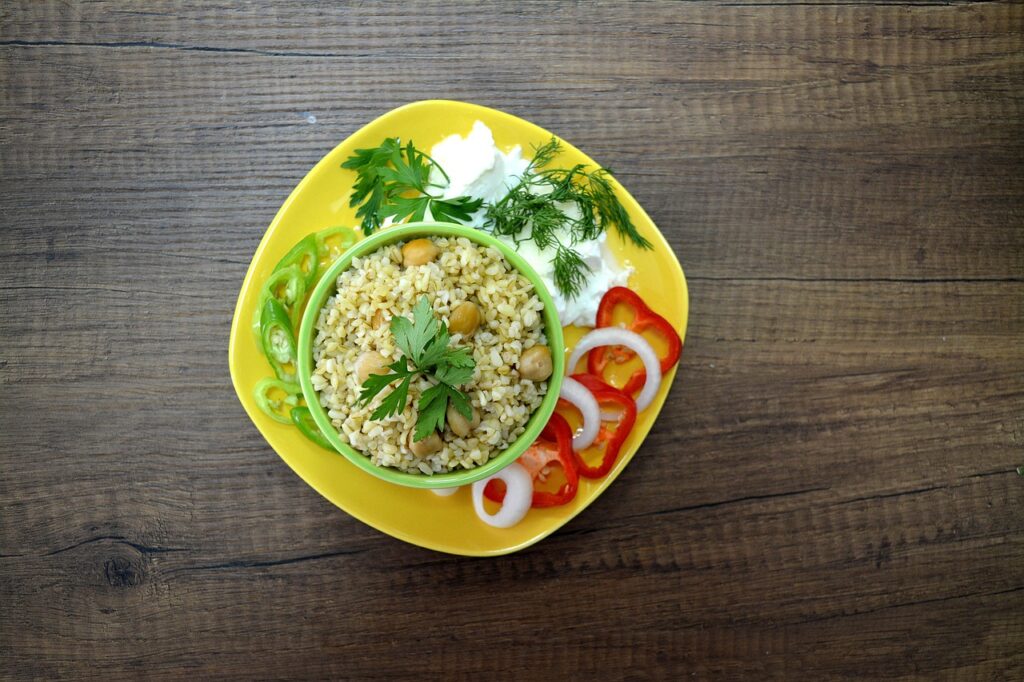
Dairy divides the two tables more than any traveler expects. Greek cheese means feta, white, salty, and crumbled over everything, with halloumi and manouri in support. Turkish cheese is a broader family: the white cheese similar to feta, the stringy kasar, the curd cheeses of the east, and dozens of regional varieties.
Yogurt is the shared currency. Greek yogurt is thick, strained, and famous worldwide, eaten with honey and walnuts. Turkish yogurt is equally central, used as a sauce, a drink in the form of ayran, a soup base, and a side for nearly every meal.
The breakfast table shows the difference best. The Greek breakfast is light: yogurt, bread, and coffee. The Turkish breakfast is a feast: dozens of small plates of cheese, olives, eggs, honey, jam, pastries, and tea, served as a ritual that can last an hour. It is the best argument for starting the day slowly.
Sweets and the Sugar Question
The dessert traditions run deep on both sides and diverge in style. Greek sweets favor the honey and the simple: yogurt with honey and walnuts, the syrup-soaked semolina cake, and the milk puddings. The flavors are clear and the sweetness is generous but restrained.
Turkish desserts are the grander tradition. The baklava of Gaziantep with its pistachio layers, the kunefe with its shredded pastry and melted cheese, the rice puddings, and the milk desserts of the palace kitchens represent a culture where sugar is taken seriously and syrup is applied without hesitation.
The traveler’s practical advice is to taste both. The same honey can taste different in the two traditions, and the dessert culture of each country is a destination in itself. Turkish coffee, served strong with the grounds settled, is the ceremonial end to both meals, though Greece has its own version.

Coffee, Tea, and Spirits
The drinks tell the cultural story. Turkey is a tea country first: the small tulip glasses of cay are the national beverage, served everywhere and all day, while Turkish coffee is a ceremonial tradition with its own fortune-telling ritual. Greece is a coffee country, with the frothy frappe and the iced freddo defining the cafe culture.
The spirits run parallel: rak in Turkey and ouzo in Greece, both anise-flavored, both drunk slowly with water and meze, and both tasting remarkably alike. The rituals around them, the long evenings, the shared plates, are the same social institution by two names.
For the visitor, the drinks are the quickest way into each culture. Join a Turkish tea garden or a Greek cafe, order the local spirit with the meze, and the difference between the countries becomes a matter of taste rather than geography.
How to Taste the Difference
The best way to understand the difference is to eat with intention. In Turkey, order the meze spread, the kebab, the oil-cooked vegetables, and the baklava, and note the spice, the richness, and the range. In Greece, order the grilled fish, the horiatiki salad, the feta, and the honey desserts, and note the simplicity and the sea.
The comparison is not a competition. The two cuisines share roots and honor each other’s tables, and the traveler who loves one will love the other. The differences, in spice, sweetness, and ceremony, are the texture that makes traveling between the two countries so delicious.
A practical note for the trip: if you are visiting both countries, save the comparison for the table. Order the local specialties, ask what the house is known for, and let each kitchen speak for itself. The food of the Aegean is a conversation between two cultures, and you get to taste both sides.
Frequently asked questions
Is Turkish food similar to Greek food?
Yes, the two cuisines share a Mediterranean foundation, with meze, olive oil, grilled fish, yogurt, and phyllo pastries on both tables, and many dishes appear under different names. The differences are in emphasis: Turkish food is richer and more varied, while Greek food is lighter and more coastal.
What is the biggest difference between the two cuisines?
The meat and dessert traditions. Turkey is the land of the kebab, with a vast repertoire and deep regional ceremony, while Greek grilled meat culture is simpler and more casual. Turkish desserts are famously sweet and syrup-soaked, while Greek sweets favor honey and a lighter touch.
Which cuisine is more vegetarian-friendly?
Both, but differently. Turkey has an entire category of oil-cooked vegetable dishes and a huge range of vegetarian meze, while Greece offers salads, legumes, and vegetable dishes built around olive oil and feta. Eating vegetarian is easy in both countries, especially in summer when produce is at its peak.

All Over Information
The All Over Information editorial team researches and writes practical English-language guides to Turkey. Facts are checked against official and local sources before publication, prices are published as dated ranges rather than quotes, and guides are revised when things change. We accept no sponsored posts, paid placements or paid links.
More guides like this

Can Vegetarians and Vegans Eat Well in Turkey?
Yes, and better than in most places. Turkey's cuisine is built on vegetables, legumes, grains, and olive oil, with a vast tradition…

How Do Public Holidays Affect Travel in Turkey?
Turkey loves its holidays, and the calendar is crowded with them.

How Does the Turkish School System Work for Expat Children?
Moving to Turkey with school-age children raises questions that no packing list can answer.

Is Istanbul in Europe or Asia?
One of the first questions travelers ask about Istanbul is whether the city belongs to Europe or Asia. The honest answer is…

How Much Does a Trip to Turkey Cost per Week?
Everyone asks this question, and the honest answer is: it depends more on you than on Turkey.

What Is the Tipping Culture like in Turkey?
Tipping in Turkey is a gentle practice rather than a rigid rule, and understanding it helps you navigate restaurants, hotels, tours, and…