Shopping in Uskudar is the local version of the Istanbul shopping experience — and the better one for the traveler who wants value and authenticity. The district has no Grand Bazaar and no tourist strips; its shops are real places with regular customers, priced for the residents, selling the things the district actually uses. From the food of the market streets to the traditional crafts of the hills, the antiques of the backstreets, and the tea of the Black Sea coast, this guide covers what to buy in Uskudar and where to find it.
The Market Streets: Food Souvenirs That Get Used
The market streets behind the piers are the foundation of Uskudar shopping, and their edible souvenirs are the ones that actually end up on your kitchen counter at home. The food of the district travels beautifully: the spices — the pul biber, the sumac, the oregano — the tea of the Black Sea coast (the true souvenir of the teahouse district), the dried fruit and the halva, the honey, the olives and the cheeses (ask for the pasteurized versions for the flight home). The sellers are generous with the tasting, and the local prices are a fraction of the tourist-marked equivalents. The market is where the district’s food culture begins — the ingredients of the lokanta trays and the breakfast spreads — and the wandering, the tasting, and the buying are the experience.

The Tea and the Coffee: The District’s Signature
Uskudar is the teahouse district, and its tea is the signature purchase. The tea shops of the center sell the black tea of the Black Sea coast — the true çay of the tulip glasses, the leaf that the district brews by the ton — alongside the tulip glasses themselves, the double-decker pots, and the sugar cubes. The tea set — the glasses and the pot — is the traditional souvenir of the district, and the tea, bought in the kilo, is the souvenir that gets used daily. The coffee shops hold the second layer: the Turkish coffee, ground fine and brewed in the copper cezve over the hot sand, and the cezve itself, the traditional pot that makes the souvenir complete. Buy the tea, the glasses, and the cezve, and you have taken the teahouse home.

The Crafts and the Antiques
The backstreets and the hills hold the district’s craft layer. The traditional workshops — the copper, the brass, the ceramics — sell the working articles of the Turkish home: the copper pots and the trays, the ceramics in the traditional patterns, the textiles and the kilims of the Anatolian weaving. The antique shops and the secondhand dealers hold the old brass and the copper, the vintage ceramics, the Ottoman-era objects and the mid-century furniture that the district’s families have let go — at prices far below the old city’s antique dealers. The village shops of the coast north — in Kuzguncuk, in the artists’ studios — add the modern layer: the prints, the jewelry, the small works of the makers who have made the village their home. The crafts of Uskudar are the made-in-Istanbul buy, bought from the people who make them.
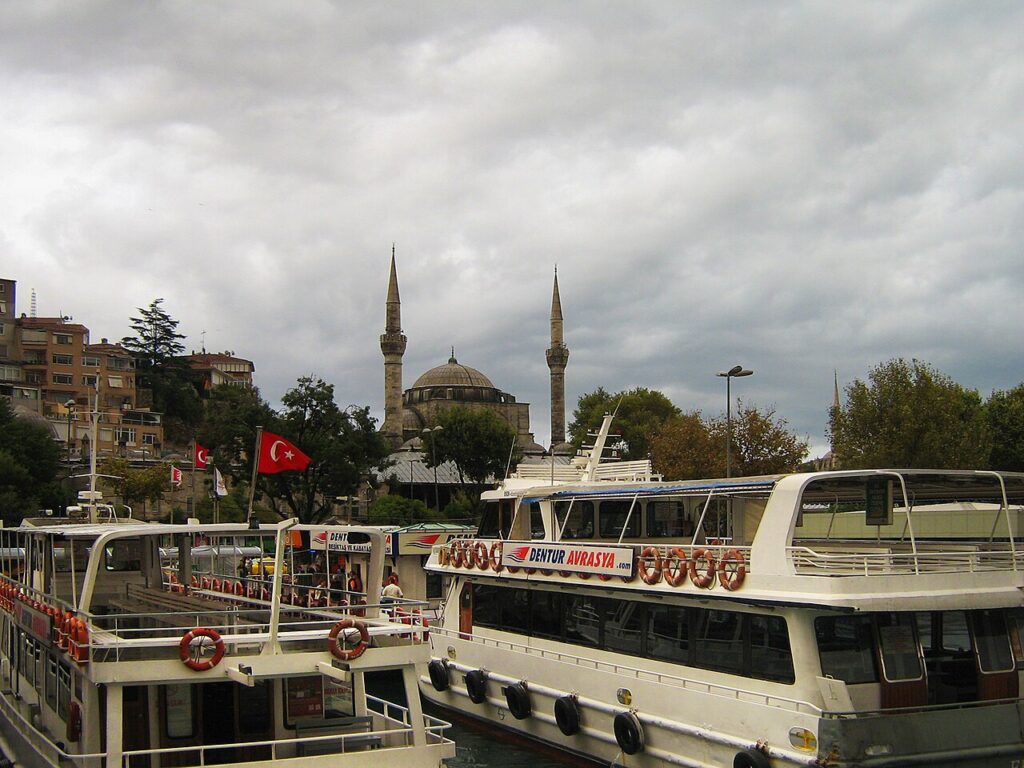
The Everyday Finds: The Working Shops
The rest of Uskudar’s shopping is the everyday kind, and it is the kind that tells you the most about the district. The pharmacies and the small markets where the residents actually shop; the hardware stores and the kitchen shops with the copper and the cezve; the clothiers and the haberdashers of the main streets; the bookshops with the local history and the old maps. The souvenir rule of Uskudar is the district’s rule: if the shop has no English sign and no tourist menu, you have found the place worth buying from. The district is full of such shops, and they are the shopping that travelers remember.
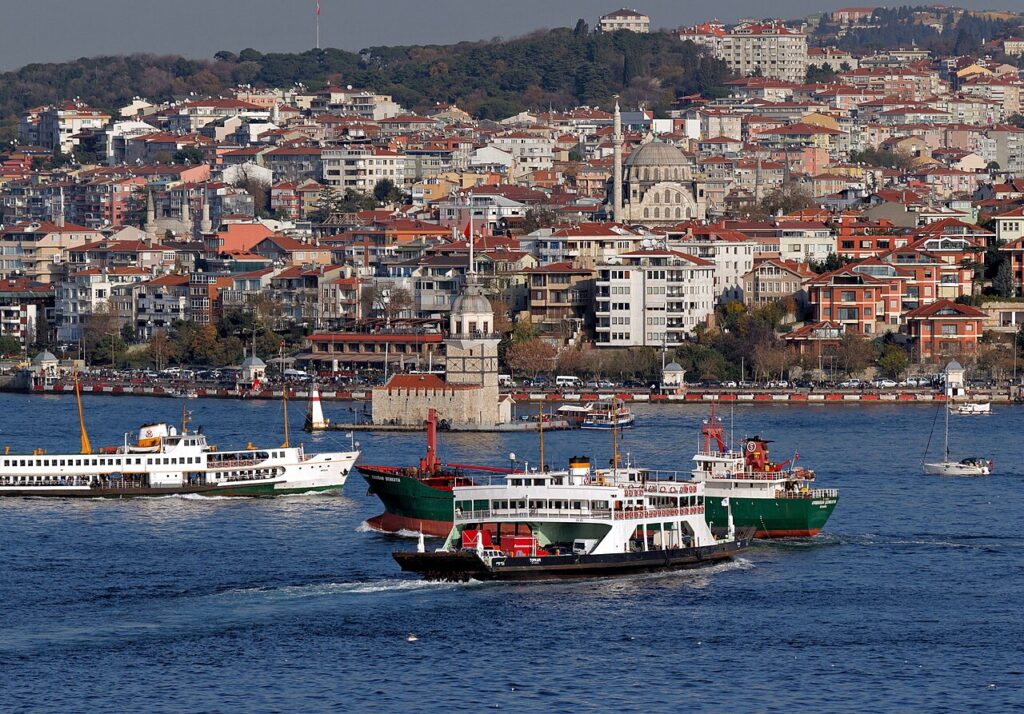
The Villages: Kuzguncuk and the Makers
The coast north of Uskudar adds the district’s most atmospheric shopping. Kuzguncuk, the hidden village, holds the artists’ studios and the small galleries that have made the village a makers’ quarter: the prints, the ceramics, the textiles, the jewelry of the makers who live and work in the pastel houses. The shopping here is the slow version — the studio doors open, the makers talk about their work, and the buying is the supporting of the village’s life. The village market days add the handmade and the secondhand to the lanes. The village shopping is the hidden layer of the district’s buying, and the most personal.
Where the Prices Stand
Honesty about prices: Uskudar is cheaper than the tourist bazaars on almost everything, but it is not a flea market. The market food is local-priced — excellent value but not free; the tea and the coffee are priced as the quality they are; the crafts are priced as the craft they are. The leverage is the absence of tourist markup: the same spices, tea, and copper that cost a fortune in the Grand Bazaar cost a fraction here, and the quality is the quality the residents accept. The other honest note is that bargaining, the bazaar’s national sport, is not the Uskudar way — the prices here are the prices, and the market’s fixed signs and the shops’ printed tags are the rule.
The Shopping Day, Planned
Morning at the market streets, tasting and filling a bag of edible souvenirs. Mid-morning: the tea shops — the leaf, the glasses, the pot — and the coffee shops for the cezve. Lunch: the lokanta trays. Afternoon: the backstreets and the hills for the crafts and the antiques, then the ferry north to Kuzguncuk for the studios and the galleries. Late afternoon: the last circuit of the everyday shops. The rule of the day is the rule of the district: shop where the locals shop, buy what they buy, and skip anything with a laminated price tag in three currencies. Shopping in Uskudar is not an errand — it is the district’s most sociable afternoon activity, the tea and the tasting between the purchases, and the bag you carry home is the one that tells the story of the trip.
The Shopping Day, Continued
Two more notes make the shopping day work. The first is the wrapping: ask the shops to pack the breakables — the ceramics, the glass, the copper — and they will, with the traditional care of the district’s sellers. The second is the timing: the morning is for the market and the food, the afternoon for the crafts and the villages, and the late afternoon for the everyday shops and the tea. The district is compact, and the shopping day can cover all of it on foot with the ferry for the villages — the wander, the tasting, the buying, and the tea between the stops. It is the day of the district’s own shopping rhythm, and it ends with the bag that tells the story of the trip: the tea, the spices, the cezve, and the things the district actually uses — the souvenirs that do not end up in a drawer, and the ones the district itself would choose.
Frequently asked questions
Is shopping cheaper in Uskudar than the Grand Bazaar?
Yes, on almost everything — no tourist markup, honest prices, and the same or better quality. The bazaar has the spectacle; Uskudar has the value.
Can I bargain in Uskudar?
Not as a rule — the prices are the prices in most shops. The village market days tolerate a friendly haggle.
What is the best souvenir to buy?
The tea of the Black Sea coast with the tulip glasses and the cezve — the signature of the teahouse district — or the food of the market streets.
Do the shops take cards?
The sit-down shops do; the market stalls and the smallest shops prefer cash. Carry a mix.
Is the Kuzguncuk shopping worth the ferry?
Yes — the artists’ studios and the galleries of the hidden village are the district’s most personal shopping, and the ride north is the pleasantest hour of the day.
How do I get the market’s food home?
The dry goods travel beautifully — the spices, the tea, the halva, the honey in sealed jars. Vacuum-seal or double-bag the olives and the cheeses for the flight, and keep the perishables in your carry-on.
Is there a market day to aim for?
The market streets run daily, at their fullest in the morning; the village market days in Kuzguncuk add the handmade and the secondhand to the lanes on the weekends, and the early start is the one that gets the best of the stalls.
Should I shop in the morning or the afternoon?
The morning is the best of both worlds — the market at its fullest and the sellers with time to talk. The village studios are the afternoon version, at their most open late in the day.

All Over Information
The All Over Information editorial team researches and writes practical English-language guides to Turkey. Facts are checked against official and local sources before publication, prices are published as dated ranges rather than quotes, and guides are revised when things change. We accept no sponsored posts, paid placements or paid links.
More guides like this

A Solo Traveler’s Guide to Uskudar
Uskudar is the district that solo travelers discover and then keep to themselves.
The Best Day Trips from Uskudar
Uskudar sits on the Asian Bosphorus shore at the very center of the city's water network, which makes it one of the…

Photography Spots in Uskudar You Can’t Miss
Uskudar is a photographer's district, and it offers a rare combination: one of the most famous buildings in the strait, a waterfront…

Best Local Restaurants in Uskudar
Uskudar is the district where Istanbul's traditional food culture is at its most intact — a working Asian shore where the restaurants…

Nightlife Guide to Uskudar
Uskudar's nightlife is the traditional version of the Istanbul evening — and that is exactly its appeal.

Uskudar in Winter: What to Expect
Uskudar in winter is the district's true character revealed.