Uzungol is a valley famous for its lake, but for the food traveler it holds something nearly as compelling: the table of the eastern Black Sea, one of the most distinctive and least known cuisines in Turkey. The trout of the mountain streams, the hamsi (anchovies) of the winter season, the muhlama (melted cornmeal, butter, and cheese), the corn breads, and the produce of the green hills — this is a food world that almost nothing else in Turkey resembles, and Uzungol is the perfect doorway to it. The settings are part of the meal: the lakeside tables with the water in front of you, and the highland places with the green meadows and the mountain air. This guide is for the food lover who wants to eat Uzungol and the eastern Black Sea properly — the dishes, the places, the seasons, and the practical details that make this one of the most rewarding tables in Turkey.
The Eastern Black Sea Table: A Cuisine Apart
The food of the region is defined by its geography: a wet, green coast backed by high mountains, with a cool fish-rich sea, mountain streams, and hills that grow corn, hazelnuts, and tea. The cuisine that grew from it is built on:
- The fish of the Black Sea and the mountain streams — the hamsi above all, with the trout and the other catches.
- The corn culture — the corn breads and the corn-based dishes that the region’s farming produced.
- The cheese and the produce of the hills — the local cheeses, the honey, the hazelnuts, and the fruit.
- The tea — the region grows the tea of Turkey, and the çay culture is its own institution.
For a food traveler, this is territory that the rest of Turkey cannot offer, and Uzungol is its most beautiful doorway.

The Essential Dishes of the Uzungol Table
Trout — alabalık. The signature of the valley and the region: trout raised in the cold, clear mountain streams, grilled whole over charcoal, and served with the corn bread and the salads. It is at its best exactly where it is raised, and the restaurants of the valley and the streams serve it fresh.
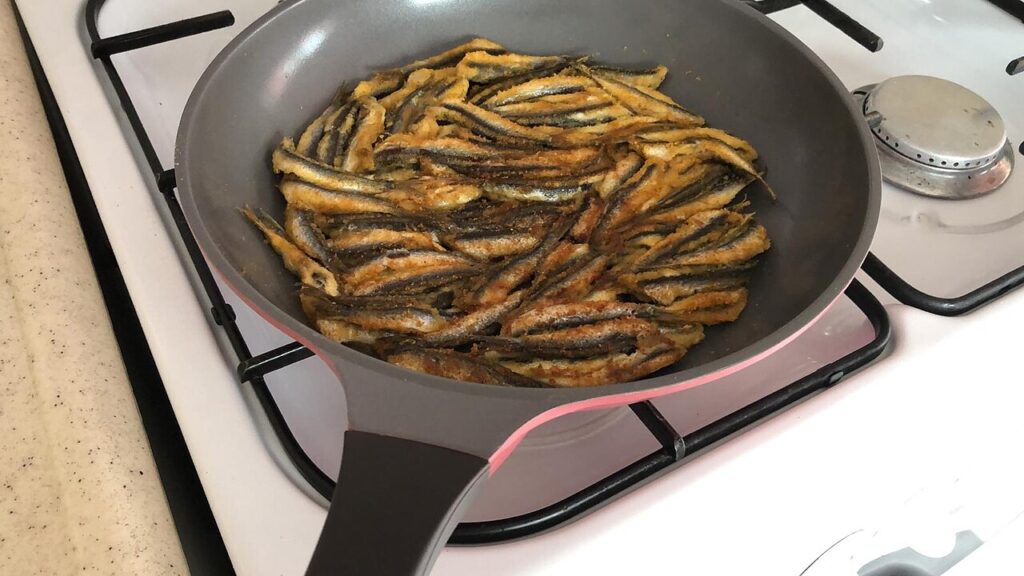
Hamsi — the anchovies. The icon of the Black Sea, small and silvery and delicious, served fried, in pilaf, and baked in cornbread. The winter is the season, and the hamsi at its best is the region’s great culinary celebration.
Muhlama. The Black Sea’s signature comfort dish — cornmeal, butter, and the region’s cheese, melted together into a rich, savory fondue. It is unlike anything else in Turkish cooking, and it is the dish to seek out in the colder months.
The corn breads. The region’s breads are made with corn — dense, earthy, and exactly right with the food of the mountains and the sea.
The local cheeses and the honey. The cheeses of the hills and the honey of the region appear at the breakfasts and on the tables, and the produce of the valleys — the hazelnuts above all — is the region’s pantry.
The Places That Matter
The Lakeside Restaurants: The Classic Meal
The restaurants at the water’s edge are the heart of the valley’s dining, serving the regional food with the lake as the backdrop. The trout is the centerpiece, and the lakeside tables — with the mosque and the mountains across the water — make the meal an experience.
For the foodie, this is the essential Uzungol dinner. Order the trout fresh, eat it over the lake as the light fades, and you have the valley in a single plate. The busy, established places are the genuine ones; ask what is fresh.
The Highland Places: Eating Above the Valley
The highland meadows (yayla) above the valley have their own food culture — the simple restaurants and the tea gardens of the summer pastures, serving the cheese, the bread, and the çay of the mountains with the views of the high country.
For the foodie, the highland lunch is the region’s hidden table — the simplest food, the most spectacular setting, and the taste of the mountains. It is the escape from the valley’s bustle, and the landscape does the seasoning.
The Village and the Shops: The Source of the Table
The village shops and the roadside stalls sell the region’s food — the honey, the hazelnuts, the cheese, and the produce of the hills — at honest prices. For the foodie, the shopping is both a pleasure and a strategy: the makings of a picnic that tastes like the eastern Black Sea.
Seasonal Eating in Uzungol
The valley’s food follows the region’s calendar, and eating in season is the smartest thing a foodie can do:
- Winter: the hamsi season — the anchovies run, and the regional places fill with the hamsi in its many forms. This is the foodie’s season.
- Spring: the fresh produce of the hills and the start of the highland life.
- Summer: the fullest restaurants and the lakeside tables running long into the evening.
- Autumn: the mists, the golden light, and the muhlama and the comfort food of the region as the weather turns.

The Foodie’s Practical Playbook
- Eat the trout fresh. The valley’s signature dish is at its best from the day’s catch — ask what is fresh and let that decide the meal.
- Try the muhlama. It is the Black Sea’s signature comfort dish, and you cannot get it done properly anywhere else in Turkey.
- Come in the hamsi season if you can. The winter anchovy run is the region’s great culinary celebration.
- Take the settings. The lakeside and the highland tables are part of the meal — the views and the air are the seasoning.
- Carry cash. The smaller restaurants, the highland places, and the stalls prefer lira.
- Eat the produce. The hazelnuts, the honey, and the cheeses of the region are the taste of the hills, and they travel beautifully.
A Foodie’s Day in the Valley
- Breakfast: the guesthouse or a lakeside café — the local cheese, the corn bread, the honey, and the tea, with the mist on the lake.
- Midday: the highlands — a simple yayla lunch, the cheese and the bread and the çay, with the green meadows.
- Afternoon: the village shops and the stalls — the hazelnuts, the honey, the produce — for a picnic by the lake.
- Evening: the trout dinner at a lakeside table, fresh from the streams, with the light fading over the water.
- Finish: the muhlama or the baklava, the çay, and the lakeside promenade under the stars.
The Food Beyond the Valley
The valley is the doorway, and the region around it is the pantry. The eastern Black Sea’s food landscape stretches beyond Uzungol: the tea gardens of the coastal hills, where the region’s famous tea is grown and drunk; the other lakes and highland valleys, each with their own highland tables; the old town of Trabzon and its restaurants, where the full range of the regional food is on display; and the coastal towns where the hamsi and the fish of the Black Sea are the daily food. A day trip into the region with a food focus — the tea, the highland lunch, the coastal fish — turns the valley stay into a tour of the eastern Black Sea’s table. Uzungol is the beautiful center of it, and the region around it is the reason a foodie could spend a week here and still go home hungry for more.
The Takeaway
A foodie’s guide to Uzungol is a guide to a cuisine that almost no other corner of Turkey shares: the trout of the mountain streams, the hamsi of the winter season, the muhlama and the corn breads, the cheese and the honey of the hills — all served with the lake and the mountains as the backdrop. Eat the trout fresh, try the muhlama, take the highland tables, and let the valley’s landscapes do the rest. Uzungol will feed you the way the eastern Black Sea has always fed its people — simply, warmly, and in a style you will find nowhere else.
Frequently asked questions
Is Uzungol a good destination for food lovers?
Yes — it is the perfect doorway to the eastern Black Sea’s table, one of the most distinctive and least known cuisines in Turkey.
What is the must-eat dish in Uzungol?
The trout of the mountain streams, grilled whole — the signature of the valley — along with the hamsi in the winter and the muhlama in any season.
What is muhlama?
A Black Sea specialty of melted cornmeal, butter, and cheese — rich, savory, and unlike anything else in Turkish cooking.
When is the best time to eat the hamsi?
In the winter, roughly November through February, when the anchovies run.
Can vegetarians eat well in Uzungol?
Yes, though the valley is trout-centric — the muhlama, the corn breads, the meze, and the local cheeses give vegetarians good options.
Is the food expensive in Uzungol?
It is a famous destination, and the peak seasons carry tourist prices — but the regional food is honest, and the village and the highland places keep it accessible.

All Over Information
The All Over Information editorial team researches and writes practical English-language guides to Turkey. Facts are checked against official and local sources before publication, prices are published as dated ranges rather than quotes, and guides are revised when things change. We accept no sponsored posts, paid placements or paid links.
More guides like this
History and Culture of Uzungol
Uzungol looks like a landscape without a history — a lake in a green valley, the way it might have been for…

Shopping Guide: What to Buy in Uzungol
Uzungol is a valley famous for its lake, not for its shopping, and there is no Grand Bazaar and no boutique strip.
A First-Timer’s Guide to Uzungol
Uzungol is one of those places that looks too perfect to be real — a mountain lake, still and green, ringed by…
48 Hours in Uzungol: The Perfect Itinerary
Two days in Uzungol is enough to see the lake in all its moods, to explore the highlands that make the region…

Nightlife Guide to Uzungol
Let's be clear about what nightlife means in Uzungol, because the valley has nothing to do with neon, DJs, and queues —…
Uzungol in Winter: What to Expect
Winter in Uzungol is the valley at its most dramatic and its most quiet.