Amasra is one of the most distinctive food towns in Turkey, and the reason is simple: it is a fishing port on the Black Sea, and the Black Sea has a cuisine that almost nothing else in Turkey resembles. The anchovies — hamsi — are the region’s icon, appearing fried, in pilaf, and baked in cornbread, and the town’s tables run with the fish of the northern waters, the corn-based breads and dishes of the coast, the muhlama (melted cornmeal, butter, and cheese), and the meze of a genuinely local table. The setting is part of the meal: the harbor, the boats, and the sea at the door of the restaurants. This guide is for the food lover who wants to eat Amasra properly — the dishes, the places, the seasons, and the practical details that make the town one of the most rewarding tables on the Turkish coast.
The Amasra Food World: The Black Sea Table
The town’s food is defined by its geography and its history: a fishing port on a cool, fish-rich sea, backed by green hills that grow corn and hazelnuts. The result is a cuisine built on:
- The fish of the Black Sea — the hamsi above all, with the trout, the sea bass, and the seasonal catches.
- The corn culture — the corn breads and the corn-based dishes that the region’s farming produced.
- The cheese and the produce of the hills — the local cheeses, the honey, and the fruit of the green Black Sea landscape.
- The meze and the tavern warmth — the small plates and the sociable, generous table of the region.
For a food traveler, this is territory that the Mediterranean south cannot offer, and Amasra is its best doorway.

The Essential Dishes of the Amasra Table
There is a short list of things you should actively seek out:
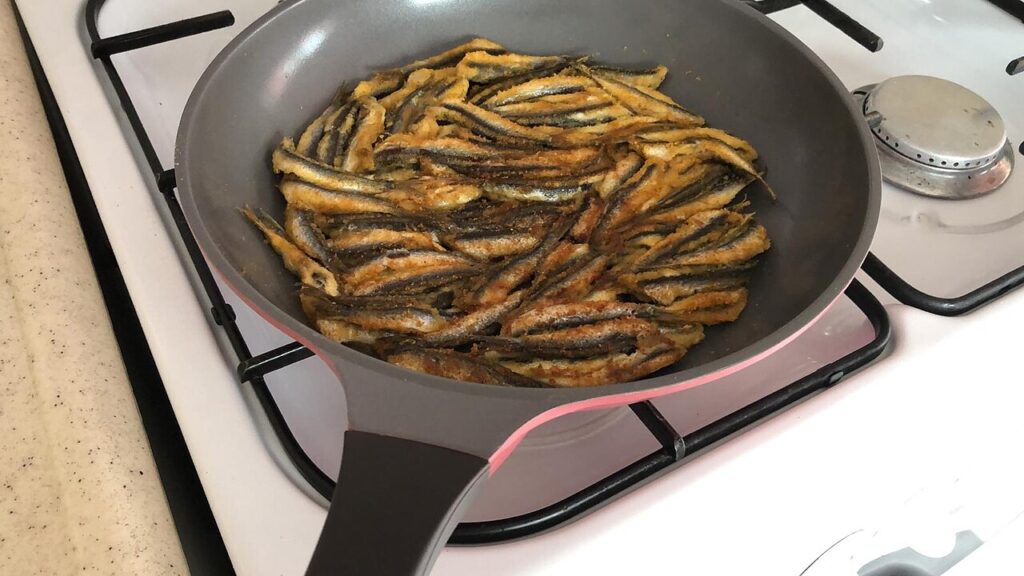
Hamsi — the anchovy. The icon of the Black Sea, small and silvery and delicious. It is served fried, in the famous hamsi pilaf (anchovies baked into the rice), and in hamsi in cornbread — the anchovies sealed into the corn dough and baked. The winter is the season, and the town’s restaurants run with hamsi dishes from November through February.
The grilled fish of the day. Beyond the anchovy, the Black Sea’s catches — sea bass, trout, and the seasonal fish — are grilled simply and served with meze, salad, and bread. The fish restaurants display the day’s catch, and ordering what is fresh is the rule.
Muhlama. The Black Sea’s signature comfort dish — cornmeal, butter, and the region’s cheese, melted together into a rich, savory fondue. It is unlike anything else in Turkish cooking, and it is the dish to seek out in the colder months.
The corn breads. The region’s breads are made with corn, the partner to the fish and the meze — dense, earthy, and exactly right with the food of the sea.
The local cheeses and the meze. The cheese of the hills, the honey, and the small plates of the Turkish table, done with the region’s own ingredients.
The produce of the hills. The hazelnuts, the fruit, and the honey of the Black Sea countryside, in the shops and on the tables.
The Places That Matter
The Seafront Fish Restaurants: The Classic Dinner
The harbor’s restaurants are the town’s dining heart, built around the day’s catch and the view. The fish is displayed fresh, chosen at the counter, and cooked simply — grilled, fried, or in the regional styles — and served with meze, salad, and the corn bread.
For the foodie, this is the essential Amasra meal. Order the fish of the day (or, in season, the hamsi in its many forms), eat it over the harbor with the boats at the door, and you have the town in a single plate. The busiest, established places are the genuine ones; ask what came in that day.
The Local and Meyhane-Style Places: The Region’s Table
Beyond the front line, the town’s smaller restaurants and taverns do the food of the region with the warmth of the Black Sea’s meyhane culture. This is where the muhlama, the corn breads, the local cheeses, and the honest meze live, and where the town’s own diners eat.
For the foodie, this is the place for the region’s distinctive dishes — the muhlama, the hamsi in cornbread, and the meze of the Black Sea. The prices are lower and the cooking is often more personal than the seafront’s.
The Tea Gardens and the Cafés: The Daytime Table
The tea gardens and the cafés — by the harbor and on the hillside — are the town’s daytime food life: the breakfasts with the local cheese and the bread, the gözleme and the pastries, and the endless çay with the view. A hillside breakfast over the harbor is the quintessential Amasra morning.
The Shops and the Market: The Source of the Table
The town’s shops and the local market sell the region’s food — the honey, the cheese, the hazelnuts, the produce of the hills — at the honest prices that the restaurants multiply. For the foodie, the market is both a pleasure and a strategy: the makings of a picnic that tastes like the Black Sea.
Seasonal Eating in Amasra
The town’s food follows the Black Sea’s own calendar, and eating in season is the smartest thing a foodie can do:
- Winter: the hamsi season — the anchovies run, the town fills with its own diners, and the hamsi pilaf and the hamsi in cornbread are at their best. This is the foodie’s season.
- Spring: the fresh produce of the hills and the early fish.
- Summer: the holiday crowds and the fullest restaurants, with the grills running long into the evening.
- Autumn: the muhlama and the comfort food of the region as the weather turns, before the hamsi returns.

The Foodie’s Practical Playbook
- Eat the hamsi in season. The anchovy is the town’s signature, and the winter is its glory. If you are there when the hamsi run, the pilaf and the cornbread versions are essential.
- Ask what is fresh. The fish restaurants display the catch — ask what came in today and let that decide the meal.
- Order the muhlama. It is the region’s signature comfort dish and the thing you cannot get anywhere else in Turkey.
- Try the corn bread. The region’s bread is part of the food identity, and it is the right partner to the fish and the meze.
- Follow the local diners. The places busy with the town’s families are the genuine ones; the front-line restaurants with the touts are paying commission.
- Carry cash. The small places, the tea gardens, and the market prefer lira.
- Go up into the hills. The villages and the produce of the interior are the region’s hidden food landscape.
A Foodie’s Day in Amasra
- Breakfast: a hillside tea garden — the local cheese, the corn bread, the honey, and the çay, over the harbor and the castle.
- Midday: the market and the shops — the cheese, the bread, the fruit — for a picnic with the castle view.
- Afternoon: a back-street restaurant for the muhlama and the meze, or a gözleme with the local fillings.
- Evening: the seafront fish dinner — the day’s catch, chosen fresh, with the boats at the door.
- Finish: the hamsi in season, the baklava or the local sweets, and the walk along the promenade under the stars.
The Takeaway
A foodie’s guide to Amasra is a guide to a cuisine that almost no other corner of Turkey shares: the Black Sea’s fish, the hamsi in its many forms, the corn breads and the muhlama, the cheeses of the hills, and the meze of a genuinely local table — all served over a working harbor with the boats at the door. Eat the fish in season, order the muhlama, follow the local diners, and let the sea set the scene. Amasra will feed you the way the Black Sea has always fed its people — simply, warmly, and in a style you will find nowhere else.
Frequently asked questions
Is Amasra a good destination for food lovers?
Yes — it is one of the most distinctive food towns in Turkey, built around the Black Sea’s fish, the hamsi above all, the corn culture, and the muhlama.
What is the must-eat dish in Amasra?
The hamsi (anchovy) in its many forms — fried, in pilaf, and baked in cornbread — eaten in the winter season, along with the muhlama.
What is muhlama?
A Black Sea specialty of melted cornmeal, butter, and cheese — rich, savory, and unlike anything else in Turkish cooking.
When is the best time to eat the hamsi?
In the winter, roughly November through February, when the anchovies run — the regional delicacy at its best.
Can vegetarians eat well in Amasra?
Yes, though the town is fish-centric — the muhlama, the corn breads, the meze, and the local cheeses give vegetarians good options.
Is the food expensive in Amasra?
No — it is a working fishing town with honest prices. The seafront charges more than the back-street places, but the town as a whole is reasonable.

All Over Information
The All Over Information editorial team researches and writes practical English-language guides to Turkey. Facts are checked against official and local sources before publication, prices are published as dated ranges rather than quotes, and guides are revised when things change. We accept no sponsored posts, paid placements or paid links.
More guides like this

Nightlife Guide to Amasra
Let's be clear about what nightlife means in Amasra, because the town has nothing to do with neon, DJs, and queues —…
Best Time of Year to Visit Amasra
Amasra is a seasonal town, and the season you choose changes the entire character of the visit.
Hidden Gems of Amasra Most Tourists Miss
Amasra is a small town, and its famous things — the castle, the harbor, the postcard views — draw the crowds that…

The Best Day Trips from Amasra
Amasra is a town you could happily never leave — the castle, the harbor, and the views could fill a week on…

Amasra on a Budget: Money-Saving Travel Tips
Amasra is one of the most affordable places on the Turkish coast, and it is the kind of destination where a budget…
Family-Friendly Activities in Amasra
Amasra is one of the most family-friendly towns on the Turkish coast, and it is family-friendly in exactly the way that matters:…