Holidays in Turkey are the heart of the calendar, times when the country closes its shops, fills its homes, and turns its attention to family, food, and faith. For a visitor, understanding these customs is the key to understanding the Turkish people. This guide explains the great religious festivals known as bayram, the national holidays that mark the republic’s history, and the everyday traditions that surround them. You will learn what happens during these special days, what the rituals mean, and how you can join in with respect and confidence, and perhaps even find yourself celebrating alongside your new Turkish friends.
The Two Great Religious Holidays
Turkey observes two great religious holidays, both called bayram. The first is Seker Bayrami, the Sugar Holiday, which marks the end of the fasting month of Ramadan. The second is Kurban Bayrami, the Sacrifice Holiday, which honors the willingness to sacrifice and involves the sharing of meat with those in need.
Both are public holidays, and both are dominated by the same priorities: prayer, family, food, and generosity. The dates shift each year because they follow the lunar calendar, so the festivals move through the seasons over time.
For Turks, the bayrams are the most emotional days of the year. They are when people travel home, visit their elders, and renew the bonds that modern life loosens. Understanding the bayram is understanding the gravitational center of Turkish family life.
Bayram Mornings and New Clothes
The bayram begins with a sense of fresh start. In the days before, families clean their homes from top to bottom, prepare mountains of sweets, and buy new clothes, especially for children. The tradition of new clothing on the bayram is ancient, a symbol of renewal and joy.
On the morning of the first day, men and boys head to the mosque for the special bayram prayer, while the women prepare the house for visitors. The streets are quiet, the shops are shut, and the whole city moves at the pace of family, not commerce.
When the prayer ends, the visiting begins. Families gather at the home of the eldest members, and the exchange of greetings and sweets marks the start of days filled with visits, meals, and conversations. The morning sets the tone for the entire holiday.

Visiting Family: The Heart of Bayram
The bayram visit is the central ritual of the holiday. Over the days of the festival, which stretch across several days, relatives visit one another in a carefully ordered sequence, beginning with the oldest generation. Each visit brings tea, sweets, and hours of conversation, and the hosts take pride in receiving guests well.
These visits are not optional; they are a duty of affection. Those who cannot travel in person call or send messages, and the whole country is connected by the same current of contact. For many Turks, the bayram is the only time they see distant relatives all year.
The food reflects the occasion. Tables are loaded with cookies, baklava, and chocolate, and the meals are long and abundant. Hospitality is the whole point, and the visitors are treated like the most important people in the world, because, for that day, they are.
Candy, Chocolate and the Children’s Joy
The bayram is a paradise for children. Dressed in their new clothes, they make the rounds of the neighborhood, knocking on doors to wish everyone a happy holiday. The adults respond with the traditional reward: sweets, chocolate, and sometimes a little money.
This custom, called bayram harcligi, is one of the most beloved of the festival. The children collect their treats with enormous satisfaction, and the adults relive their own childhoods through them. The streets ring with excited voices, and the holiday takes on its sweetest character.
The generosity has a deeper purpose. It teaches children the joy of giving and receiving, and it binds the generations together. By the end of the bayram, every child has pockets full of candy and a heart full of the holiday’s warmth.

The Bayram Meal and Special Foods
Food is the language of the bayram, and every home prepares its best. The tables are spread with cookies, baklava, and Turkish delight, alongside the traditional sweets that give the Sugar Holiday its name. In the days before, the bakeries are packed and the kitchens are busy around the clock.
For Kurban Bayrami, the food has a different character. Families who can afford it sacrifice an animal, usually a sheep or a goat, and the meat is divided into three parts: one for the family, one for relatives and neighbors, and one for the poor. The sharing is the very meaning of the holiday.
The meals themselves are long celebrations. Relatives gather around large tables, the conversation flows, and the dishes reflect the region and the family tradition. To be invited to a bayram meal is a great honor, and the food will be the best the house can offer.
National Holidays and Their Meaning
Beyond the religious festivals, Turkey celebrates national holidays that mark the founding of the republic and other key moments of its history. The most important is Republic Day on the twenty-ninth of October, which commemorates the proclamation of the republic in 1923.
Other national days include the commemoration of the fallen on the eighteenth of March, the victory of the thirtieth of August, and Youth and Sports Day on the nineteenth of May. Each has its ceremonies, its speeches, and its moments of national reflection.
These holidays have their own rituals. Flags hang from windows, schools hold performances, and public squares host ceremonies and concerts. For visitors, they offer a window into how Turkey sees its own history, and the atmosphere is unmistakably patriotic.

Republic Day and Its Celebrations
Republic Day is the grandest of the national holidays. The celebrations begin with official ceremonies, laying wreaths at the monuments of the republic’s founder, and continue with parades, concerts, and public gatherings. The cities are draped in red flags, and the mood is festive and proud.
In the evenings, the celebrations reach their peak. The streets fill with people, the squares host concerts, and the night is lit with performances and fireworks. Young people, in particular, treat the day as a joyful national party.
For visitors, Republic Day is a chance to see modern Turkish identity on display. The day belongs to the republic, its founder, and its citizens, and the enthusiasm is genuine. Wherever you are on the twenty-ninth of October, the celebrations are impossible to miss.
New Year’s Eve Turkish Style
The end of December brings its own customs, layered onto a land with deep winter traditions. New Year’s Eve is widely celebrated in the cities, with family dinners, decorated trees, and the famous national lottery drawing, which has become a fixture of the evening.
The dinner table has its own rituals: turkey, festive desserts, and the pomegranate, which is smashed on the doorstep for good luck in the coming year. Friends and families gather, gifts are exchanged, and the countdown to midnight is greeted with joy.
At midnight, the cities erupt in celebration, and the first moments of the new year are spent with loved ones. The Turkish New Year is a modern blend of global customs and local touches, and it shows how comfortably Turkish culture absorbs new traditions.
Regional Festivals and Local Customs
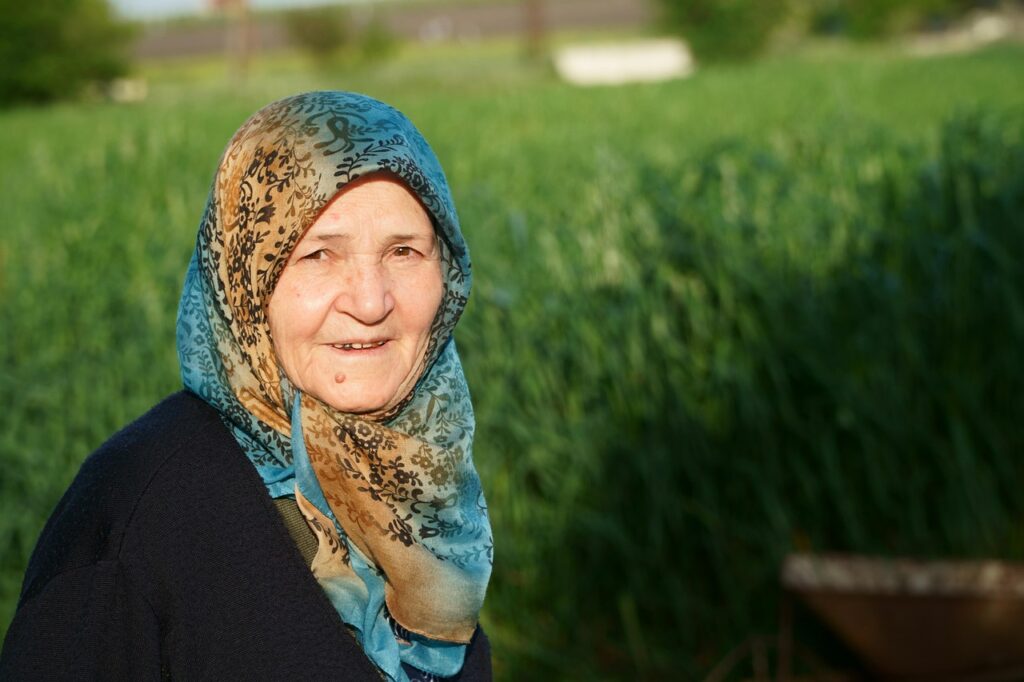
Beyond the national calendar, every region of Turkey has its own festivals and local celebrations. Harvest festivals, spring festivals, and the celebrations of local saints and heroes fill the year, each with its own food, music, and rituals. These events keep older traditions alive.
In the countryside, many customs survive that the cities have left behind. Wedding celebrations that last for days, spring ceremonies around bonfires, and the seasonal rhythms of planting and harvest all carry their own holidays. Each region takes pride in its particular heritage.
For travelers, these local festivals are treasures. They are unscripted, authentic, and full of warmth, and they offer a glimpse of Turkish life that the big cities cannot. Ask locally what is happening during your visit, and you may stumble into a celebration you will never forget.
How Holidays Reflect Turkish Values
Look closely at Turkish holidays, and you will see the values that hold the society together. The bayram visits show the primacy of family; the sharing of meat shows the duty of generosity; the sweets for children show the tenderness toward the young; and the national days show the pride in the republic.
The rhythm of the holidays is also revealing. The bayrams slow everything down, closing the shops and emptying the offices, because family time is protected. In a fast-moving world, Turkey guards these pauses fiercely, and the entire society cooperates to keep them sacred.
Understanding these values is the real gift of the holidays for a visitor. When you see a whole country stop for days to visit its elders and feed its neighbors, you understand why family and generosity are so often called the heart of Turkish culture.
Frequently asked questions
When are the bayram holidays celebrated?
The two bayrams follow the lunar calendar, so their dates shift by about eleven days each year. Seker Bayrami comes after the fasting month of Ramadan, and Kurban Bayrami follows roughly two months later. Checking the current year’s calendar will give you the exact dates.
What should I say to greet someone on the bayram?
The traditional greeting is Bayraminiz kutlu olsun, meaning may your bayram be blessed. A simpler version is Iyi bayramlar, happy holidays. Either will be received with warmth, and it is a small gesture that shows respect for the occasion.
Can visitors take part in bayram celebrations?
Yes, visitors are welcomed warmly. Many Turks will greet you, offer you sweets, and invite you to share their table. If you are invited to a home, a small gift of sweets or flowers is appreciated. Simply be respectful, dress modestly, and accept the hospitality with gratitude.

All Over Information
The All Over Information editorial team researches and writes practical English-language guides to Turkey. Facts are checked against official and local sources before publication, prices are published as dated ranges rather than quotes, and guides are revised when things change. We accept no sponsored posts, paid placements or paid links.
More guides like this
Religious Diversity in Turkey Explained for Foreigners
Turkey surprises many visitors with the depth and complexity of its religious life.
The Street Art and Graffiti Scene in Istanbul
Istanbul is a city that wears its history in layers, and in recent years it has added a new one: paint.

Volunteering Opportunities in Turkey
Turkey is one of the most rewarding countries in the world to volunteer in, and not only because of its scenery.

A Deep Dive into Turkish Wedding Traditions
Turkish weddings are among the most elaborate and meaningful social rituals in the world, and they reward close attention.
Traditional Instruments in Turkish Folk Music
The instruments of Turkish folk music carry the sound of the land itself.

How Turkish Body Language Differs from the West
Words are only half of any conversation, and in Turkey the silent half carries real weight.