Crossing the Bosphorus by ferry is one of Istanbul‘s great daily rituals and, for visitors, one of its best bargains. The ferries that carry commuters between Europe and Asia also carry some of the finest views in the world, and a crossing that costs the same as a bus ticket delivers palaces, fortresses, and two continents in a single ride. This guide explains the ferry system, tickets, routes, and how to ride like a local.
Why the Ferry Is the Best Way to Cross
The ferry is not the fastest way across the Bosphorus, but it is the best. The bridges and the metro tunnel are quicker and, in rush hour, often more reliable. What they cannot offer is the experience: the wind, the seagulls, and the city unfolding from the water.
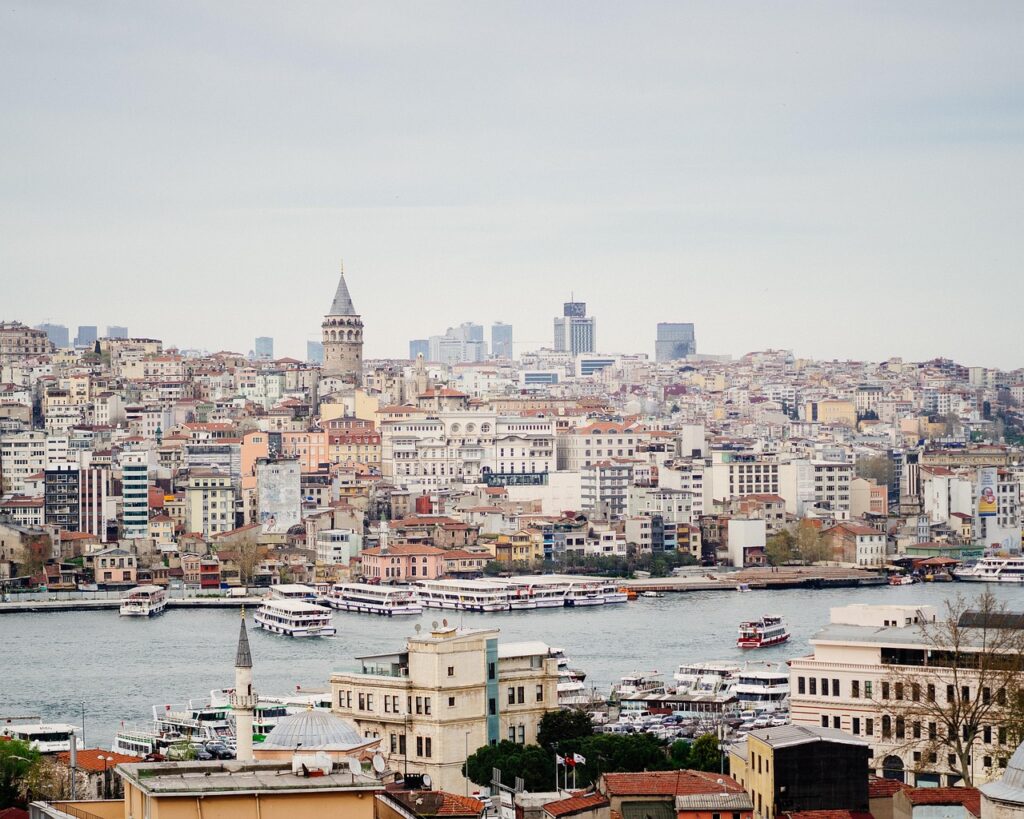
For visitors, the ferry doubles as sightseeing. The main lines run past the historic peninsula, the palaces, the fortress, and the villages of both shores, and the view from the upper deck is the view that appears on postcards. You are not just traveling; you are taking a tour that happens to be public transport.
The ferry is also cheap, frequent, and genuinely integrated into Istanbul’s daily life. You will ride with students, commuters, and grandmothers with shopping bags, and that ordinary humanity is part of the charm. The ferry does not feel like an attraction because for Istanbul it is simply the way across the water.
The Ferry Network: Routes and Lines
Istanbul’s ferry network is operated by the municipal ferry company, with routes radiating from the old city and the main European piers to destinations across the Bosphorus, the Golden Horn, and the Sea of Marmara. The system is dense, and almost every waterfront neighborhood has its own pier.
The key routes for visitors cross the Bosphorus directly: from Eminonu or Karakoy on the European side to Kadikoy and Uskudar on the Asian side, with additional lines running between the neighborhoods of both shores. These are the commuter routes, and they run from early morning until late at night.
Beyond the crossings, longer lines run the length of the Bosphorus toward the Black Sea, and the sea routes connect the city to the Prince’s Islands and the Marmara towns. Each pier has a board with departures, and the schedule is printed and digital, making the network surprisingly easy to read.

Tickets and Cards: How to Pay
The simplest way to pay is with the city’s transport card, which works on ferries, buses, trams, and the metro with a small discount compared to single tickets. You can buy and load the card at machines at the main piers and stations, and tap it at the turnstile before boarding.
Single tokens and tickets are also sold at the piers for the same network, though they cost slightly more per ride than card fares. If you are only taking one ferry, a single ticket is fine; if you will be in Istanbul for a few days, the transport card quickly pays for itself across all modes.
One important detail: you tap the card when you enter the pier, not on the boat, and you do not tap again when you leave. The system charges one fare per journey, regardless of distance, which is why the full Bosphorus sightseeing line costs the same as the shortest crossing.
Choosing Between Ferry, Bridge, and Tunnel
The ferry is the scenic choice, but it is not always the right choice. If you are in a hurry, especially during rush hour, the metro tunnel under the Bosphorus can beat the ferry by a wide margin, and the bridges carry private cars and buses across in a straight line.
The practical rule is to match the crossing to the journey. For a day of sightseeing, with no fixed hour and a desire to see the city, take the ferry. For a meeting, a flight, or a connection that cannot wait, take the tunnel or the bridges, and save the ferry for a moment when the journey itself is the pleasure.
The ferry also loses points in bad weather. Winter storms can delay or cancel crossings, and when the Bosphorus turns rough, the ferries are the first to stop. Check the weather before you commit to a ferry at the edge of a storm.
The Commuter Experience: Peak and Off-Peak
Riding the ferry during rush hour is an education in Istanbul’s daily life. The boats fill with commuters reading, sleeping, and drinking tea, and the crossings run every few minutes. The atmosphere is efficient and calm, and the ferry commute is one of the most civilized ways a megacity moves its people.
For visitors, the off-peak hours are the better choice. Mid-morning and mid-afternoon crossings are quieter, the upper decks have more space, and the light is better for the views. The sunset crossing, when the city lights come on over the water, is the most requested time, and for good reason.
Weekends bring their own rhythm: families heading to the Asian side for breakfast, groups setting out for the islands, and ferries that feel like outings rather than commutes. If you can choose your moment, aim for a weekday morning crossing in good weather, when the strait is at its clearest.
The Bosphorus Sightseeing Line
The ferry route that visitors most often take is the full Bosphorus line, which runs from the piers near the old city all the way north to the villages at the mouth of the Black Sea. The ride takes over an hour each way and passes the entire parade of the strait’s landmarks.
The route is a moving lesson in Ottoman history: the Dolmabahce Palace, the fortress of Rumeli Hisari, the wooden mansions of the villages, the fishing boats, and the bridges overhead. The best seats are on the upper deck, on either side, and the loop of the strait means every landmark appears twice, once from each shore.
You can ride the line as a round trip, staying on the boat at the northern terminus, or break the journey at one of the villages for lunch before returning. The fare is the same either way, which makes the full loop one of the best value sightseeing trips in Istanbul.

The Asian Side: Where the Ferries Land
The ferry piers of the Asian side are destinations in themselves. Kadikoy, the largest, is a lively commercial district with markets, fish restaurants, and a ferry culture that makes it feel like a town with a river of its own. Uskudar, across from the old city, is quieter and more historic, with mosques and tea gardens by the water.
The landings are designed for the ferry rhythm: waterfront squares, ticket offices, and streets that widen to swallow the arriving crowds. From either pier, the neighborhoods extend inland with markets, mosques, and cafes, and the Asian side rewards an hour or two of wandering before you return.
The return crossing is the one to time for sunset. From the Asian piers, the European skyline, the minarets, and the palace silhouettes face you across the water, and that evening light is the moment most visitors remember.
Tips for First-Time Riders
A few habits make the ferry easier. Arrive at the pier a few minutes before departure, because the boats run on schedule and leave promptly. Watch the boards for your route and pier, since the large piers handle several lines at once, and the crowds make the wrong choice expensive.
On board, go to the upper deck for the views and the wind, but hold onto your hat: the Bosphorus breeze is stronger than it looks. Tea and snacks are sold on the main routes, and the tradition of drinking tea with the crossing is one you should try at least once.
For a seat at the rail, board early and move to the side that faces the sights. The ferry rewards patience: the boats load quickly, the ride is short, and the memories are not limited.

Combining Ferries with the Wider Network
The ferry network connects seamlessly with the rest of Istanbul’s transport, and your transport card works across all of it. A typical day can combine a ferry across the Bosphorus with a tram along the old city and a bus up the hills, all on the same fare system.
The interchanges are the secret to efficient sightseeing. The piers at Eminonu and Karakoy sit beside tram stops and metro entrances, and Kadikoy pier connects to the metro on the Asian side. With a transport card and a schedule, the whole city becomes one connected journey.
The evening commute in reverse, from the Asian side back toward the old city, is the classic way to end a day across the water. The lights of the European shore come up as you cross, and you step off the ferry into the old city with the whole Bosphorus behind you.
Common Mistakes to Avoid
The most common mistake is boarding at the wrong pier for the route you want. Istanbul’s central piers serve many lines, and the departures are spread across separate gates. Read the signs, check the board, and ask the staff if unsure.
Another mistake is underestimating the schedule. Ferries run frequently on the main crossings, but the longer Bosphorus and island lines run fewer trips, and missing the last boat means a long detour through the tunnel or bridges. Check the return schedule before you head to the far end of the line.
Finally, do not confuse the public ferries with the private sightseeing boats. The public ferries are cheap, reliable, and perfectly scenic; the private boats offer commentary and comfort at a higher price. Both are legitimate, but the public ferry, with its ordinary passengers and honest fares, is the one that shows you the real city.
Frequently asked questions
How much does a Bosphorus ferry cost?
A ferry ride costs the same as other public transport in Istanbul, and the fare is per journey regardless of distance, so the full Bosphorus sightseeing line costs no more than the shortest crossing. Paying with the city’s transport card gives a discount compared to single tickets. Current fares are posted at every pier.
How long does the ferry crossing take?
A direct crossing between the central European piers and the Asian side takes roughly twenty minutes, depending on the route and the weather. The full Bosphorus line, running the length of the strait from the old city toward the Black Sea, takes over an hour each way, and the island ferries take about an hour to reach the Prince’s Islands.
Which ferry should I take for the best views?
The full Bosphorus line, which runs the length of the strait, offers the most complete panorama of palaces, fortresses, villages, and bridges. For a quick fix, any crossing from the European piers to the Asian side gives you the classic skyline view, with the sunset crossings from the Asian side back toward Europe considered the most beautiful.

All Over Information
The All Over Information editorial team researches and writes practical English-language guides to Turkey. Facts are checked against official and local sources before publication, prices are published as dated ranges rather than quotes, and guides are revised when things change. We accept no sponsored posts, paid placements or paid links.
More guides like this

Turkey’s Best Boutique Hotels
Turkey has an embarrassment of hotels, from the giant all-inclusive resorts of the coast to the historic konak mansions of the provinces.

Turkey for Adventure Travelers: A Complete Guide
Turkey is an adventure destination hiding in plain sight.

Airbnb vs Hotels in Turkey: Pros and Cons
Choosing where to sleep in Turkey is one of the first big decisions of any trip, and the choice between Airbnb and…
The Seven Churches of Revelation in Turkey
In the opening chapters of the New Testament book of Revelation, the author addresses seven letters to seven churches in the Roman…

Renting a Car in Turkey: What to Know
Renting a car is the best way to see the parts of Turkey that public transport does not reach, and it is…

Turkey’s National Sovereignty and Children’s Day
Every April 23, Turkey celebrates a holiday that exists nowhere else in the world: a national day given entirely to children.