Ortakoy is a year-round destination, and each season gives the village a different character. The square and the waterfront are at their liveliest in the warm months, the light is at its most dramatic in spring and autumn, and the winter brings a quiet intimacy that the summer crowds never see. Because the village is compact and its main attractions are outdoors, the weather matters more than in most parts of Istanbul. This guide breaks down the year month by month so you can match your visit to the Ortakoy you want.
Spring: The Golden Season
March through May is the best time to visit Ortakoy, full stop. The temperatures are mild, the skies are clear, and the Bosphorus is at its most beautiful — the water a deep blue, the hills green after the winter rains. The cherry trees bloom along the waterfront, the café terraces open, and the square fills with locals rediscovering the shore after the winter. April and May bring the first cruise ships and the first tourist crowds, but the shoulder season keeps things manageable. This is the season for long walks, outdoor lunches, and photographs with perfect light.
Summer: The Crowds and the Energy
June through August is when Ortakoy is at its most famous — and its most crowded. The square heaves with visitors, the kumpir queues stretch across the cobblestones, and the ferry landings are busy from morning to night. The heat is real, especially in July and August, but the Bosphorus breeze makes the waterfront bearable, and the long evenings are glorious — the sunset draws everyone to the shore, and the square stays lively until late. Weekday mornings are the escape hatch: arrive before ten and you can have the postcard view nearly to yourself. August is the busiest month, when Istanbul residents themselves flock to the water.

Autumn: The Second Spring
September through November rivals spring for the title of best season. September is still warm and the crowds have thinned; October brings crisp air and golden light that turns the waterfront photographs amber; November is quiet, atmospheric, and often spectacularly clear. The tea gardens and café terraces are still open, the fish restaurants are at their seasonal peak, and the light in the late afternoon is the best of the year. If you want Ortakoy without the crush, this is the season. October, in particular, combines everything good about the village in a single month.
Winter: The Village to Yourself
December through February transforms Ortakoy. The crowds vanish, the kumpir stalls close early or not at all, and the village returns to the residents. The winter light over the Bosphorus is low and silver, the mosque and bridge stand out against gray skies, and the waterfront walks are bracing rather than balmy. This is the season for the tea gardens — the ones with heaters and blankets keep serving, and sitting under a heater with a glass of tea while the rain falls on the strait is one of the great Istanbul winter experiences. Prices drop, hotels are half empty, and the village feels like a real place again. The one warning is the wind: the Bosphorus funnels it, and the waterfront can be genuinely cold.

Festivals and Special Moments
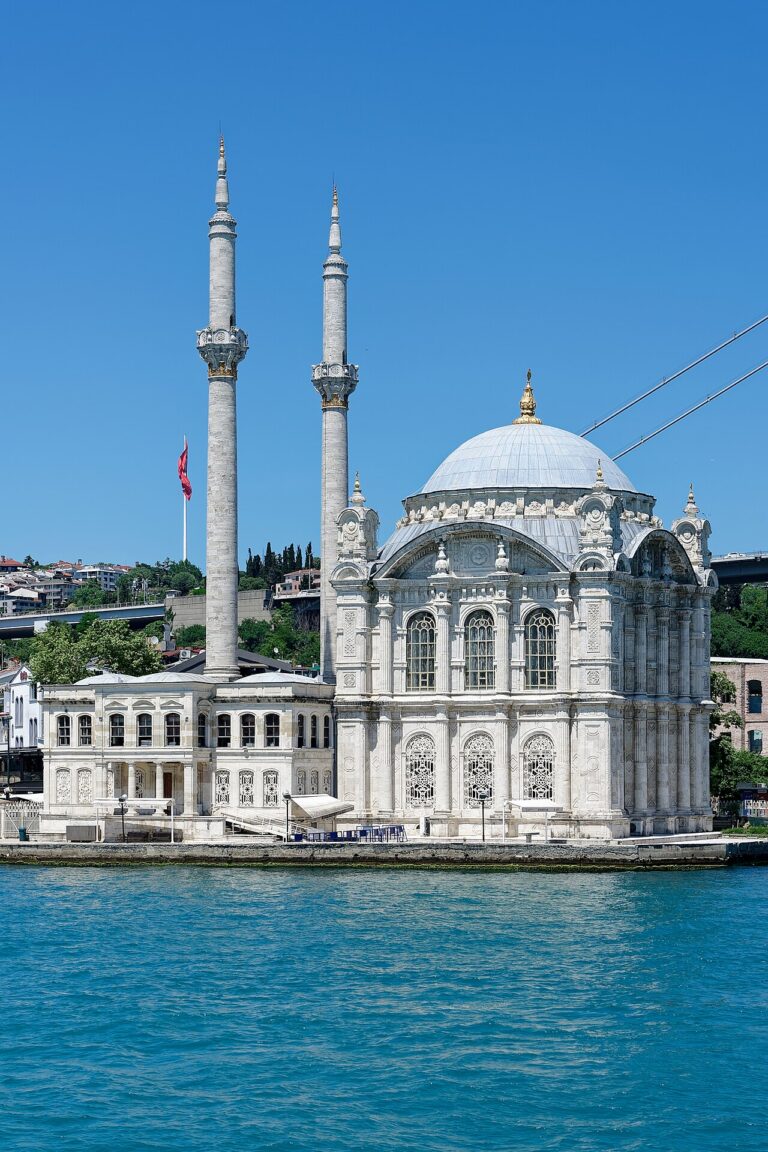
The calendar adds its own highlights. Ramadan evenings bring lanterns and a festive mood to the square; the iftar dinners near the mosque are a beautiful sight. National holidays light up the bridge and bring families to the waterfront. On winter weekends, the occasional snow turns Ortakoy into a postcard — the mosque and bridge dusted white, the strait gray-green, the whole scene hushed. For photographers, the blue hour after a snowfall is the rarest and most rewarding moment the village offers.
The Practical Calendar
For most visitors, the practical sweet spots are April to May and September to October: comfortable weather, manageable crowds, and the best light. June and early September are good compromises if you want summer energy without the peak crush. July and August are for those who love crowds or have no choice; the early morning and evening hours are the key to enjoying them. November and March are the quiet bargains, and December to February is for the romantics who want the village to themselves. Whichever season you choose, the mosque and the bridge will be there — the question is only who you share them with.
A Month-by-Month Overview
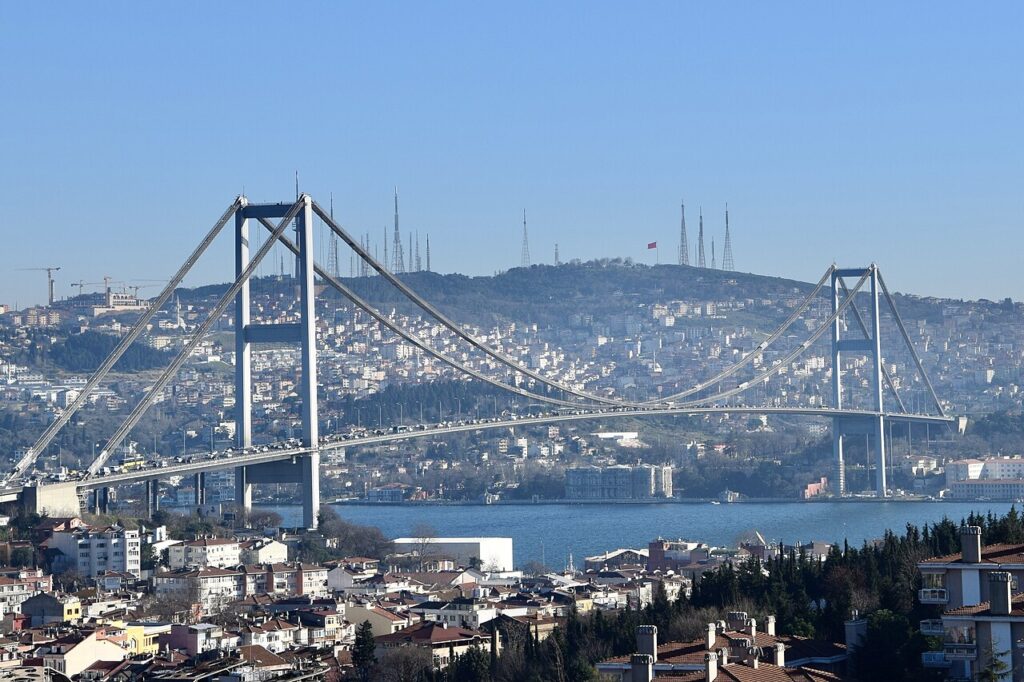
March warms and the terraces open; April brings the blooms and the first crowds; May is the classic month, warm and clear; June stretches the evenings; July and August bring the peak heat and the peak crowds; September cools and calms; October is the golden month, the light at its best; November turns quiet and atmospheric; December brings the cold and the lights; January is the quietest month of all; February teases with early spring. The pattern is simple: the shoulder months give you everything, the summer gives you energy at the cost of crowds, and the winter gives you the village to yourself. Choose by temperament, and the village delivers.
The Light at Every Season
Photographers plan their Ortakoy visits around the light, and each season offers its own. Spring gives the soft, clear morning light with the hills green and the water deep blue. Summer gives the long golden evenings and the dramatic sunsets over the bridge. Autumn gives the low amber light that turns the mosque and the water gold. Winter gives the silver light, the dramatic skies, and the rare gift of snow on the mosque and bridge. The blue hour works year-round, and the sunset is dependable in every season — the village’s light is its most reliable attraction, and it never disappoints.

The Crowd Calendar
The crowds of Ortakoy follow a predictable rhythm, and planning around them makes any season better. The weekly rhythm is the key: weekends bring the day-trippers from across Istanbul, and the square is at its most crowded from late morning through early evening. The weekday mornings are the quiet window, when the village belongs to the residents and the early visitors. The seasonal rhythm follows: May and September bring the cruise-ship crowds, July and August bring the peak, and the winter brings the calm. The practical strategy is to do the square in the morning and the promenade in the evening, whatever the season, and to save the back streets for the midday hours when the crowds peak. The village’s best hours — sunrise and sunset — are also its emptiest, and the traveler who matches the rhythm gets the postcard without the queues.
The final consideration is the balance of the visit: how much Ortakoy, and when. The village is compact, so a full day combines the square, the promenade, the back streets, and the ferry without strain; half a day covers the essentials. The best visits layer the hours — the morning square, the midday back streets, the afternoon ferry, the evening sunset — so the village unfolds as the light changes. And because Ortakoy works at every season, the honest answer to the timing question is that there is no bad time, only different villages: the summer energy, the autumn light, the winter calm, the spring freshness. Choose the version you want, and the village will deliver it.
The seasons give Ortakoy four distinct villages, and the only real mistake is trying to see them all in one trip. Pick the season that matches your temperament, book around the crowd calendar, and let the Bosphorus do the rest — it has been doing so for centuries, and it knows its job.
The Takeaway
Ortakoy gives you a different village in every season, and none of them disappoint. Choose spring or autumn for the classic postcard, summer for the energy and the long evenings, and winter for the rare pleasure of having the Bosphorus to yourself. The mosque and the bridge frame every season, and the village around them adjusts its mood to match the weather.
Frequently asked questions
What is the best month to visit Ortakoy?
May and October are the sweet spots: warm, clear, and less crowded than the peak summer months.
Is Ortakoy worth visiting in winter?
Absolutely — the crowds disappear, prices drop, and the waterfront in low winter light is atmospheric, especially with tea under a heater.
When is Ortakoy most crowded?
July and August, and on weekends throughout the year when Istanbul residents flock to the waterfront. Weekday mornings are the quietest window.
What should I pack for the seasons?
Layers work year-round. The Bosphorus breeze cools the waterfront even in summer evenings, and winter requires a genuinely warm coat.
Does it rain a lot in Ortakoy?
The rainiest months are December and January, with November and February close behind. Spring and autumn are drier, and summer is reliably sunny.
When are the hotels cheapest in Ortakoy?
The winter months from December through February offer the lowest rates, often thirty to forty percent below the summer peak.

All Over Information
The All Over Information editorial team researches and writes practical English-language guides to Turkey. Facts are checked against official and local sources before publication, prices are published as dated ranges rather than quotes, and guides are revised when things change. We accept no sponsored posts, paid placements or paid links.
More guides like this

A Solo Traveler’s Guide to Ortakoy
Ortakoy is one of the easiest places in Istanbul for the solo traveler — safe, small, and welcoming, with the postcard at…
Ortakoy on a Budget: Money-Saving Travel Tips
Ortakoy is the budget day-trip of the Bosphorus — the village where the famous sights are free and the famous food is…
Ortakoy in Winter: What to Expect
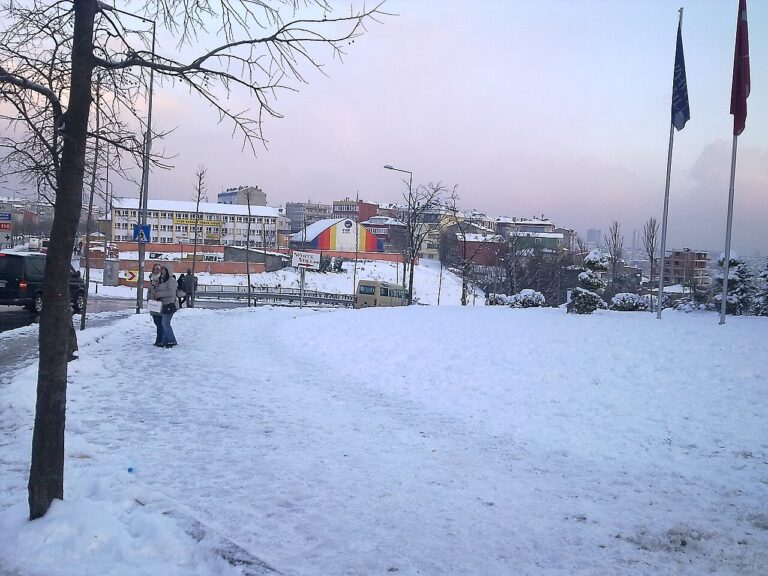
Winter changes Ortakoy the way it changes every waterfront — the crowds thin, the square returns to the village, and the strait…
Photography Spots in Ortakoy You Can’t Miss
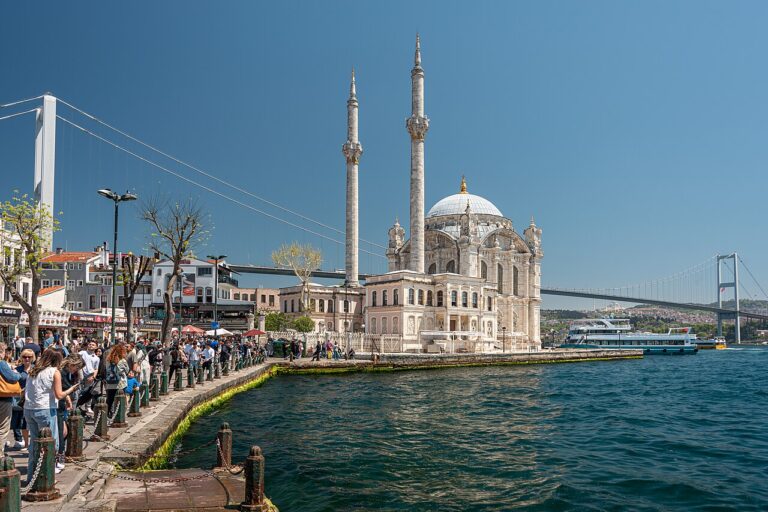
Ortakoy is a photographer's dream because the whole village is a set.

History and Culture of Ortakoy
Ortakoy sits on the European shore of the Bosphorus, roughly halfway between the old city and the Black Sea, and its history…
48 Hours in Ortakoy: The Perfect Itinerary
Two days in Ortakoy is the Bosphorus life at its fullest — the village's square and shore, the mosque and the bridge,…