Few cities are defined by water the way Istanbul is. The Bosphorus strait splits the city between Europe and Asia, the Sea of Marmara stretches to the south, and the Golden Horn reaches deep into the old city. The ferries that crisscross these waters are not just transport; they are the city’s commuter network, its cheapest sightseeing tour, and one of the great travel bargains anywhere. This guide explains how the ferry system works, how to buy tickets, which routes are worth riding, and how to choose between a commuter crossing and a full Bosphorus cruise, so you can make the water a highlight of your trip.
The Ferry System at a Glance
Istanbul’s ferry network is run by the city’s municipal ferry company, and it is genuinely public transport rather than a tourist operation. The main piers cluster around Eminonu on the European side, Kadikoy and Uskudar on the Asian side, and Besiktas and Karakoy on the Bosphorus. Boats run from early morning until near midnight, and at rush hour the departures are frequent enough that you never wait long.
The boats themselves are the point. The older ferries, some of them decades old, have open decks, tea stands, and wooden benches, and riding one feels like stepping back in time. Newer catamarans are faster but less romantic, and locals use both without sentiment. The sea lanes are shared with freighters, fishing boats, and the occasional dolphin, and every crossing is a show.
The network connects everything: the old city, the Asian side, the Bosphorus villages, and the Princes’ Islands. Once you understand the few piers that matter, you can plan whole days around ferry rides, and the water becomes the thread that ties your Istanbul itinerary together.
Tickets, Cards, and How to Ride
The system runs on an electronic fare card that you can buy and top up at kiosks near every major pier. The card also works on trams, buses, and the metro, so it is the only transport card you need in Istanbul. You tap it at the turnstiles before boarding, and transfers within a short window are priced at a discount.
Single-use tokens are available at some piers, and many tourist boats accept cards, but the city card is cheaper, faster, and more flexible. Keep it loaded, because a ferry can be your escape from traffic.
Boarding is simple: find your pier, check the departure board, tap through the turnstiles, and walk to the right berth. The boats are announced in Turkish, so match the name on the board and ask a crew member if unsure.

The Classic Commuter Routes
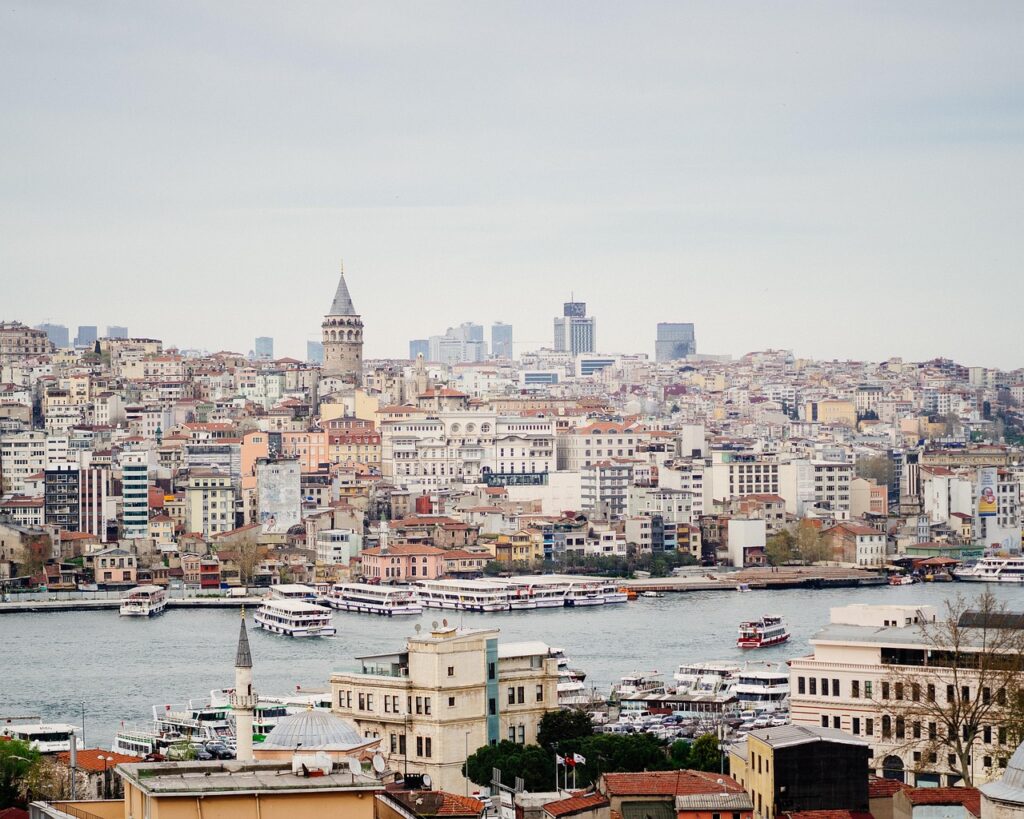
The most famous commuter route is the crossing from Eminonu to Kadikoy, the short hop across the mouth of the Golden Horn that takes about twenty minutes. It is the quintessential Istanbul ride: the old city’s minarets behind you, the Maiden’s Tower ahead, and the skyline of both continents unfolding as you go.
The longer commuter lines are even better value. The route from Eminonu up the Bosphorus to the villages of Ortakoy, Bebek, and Sariyer hugs the European shore and gives you the waterfront palaces, the two bridges, and the strait’s hills without a guide or a marked-up ticket. A parallel line runs from the Asian side past the old fortress of Anadolu Hisari.
Locals ride these boats daily, and they are the most authentic way to see the Bosphorus. Grab a tea from the onboard stand, find a seat on the open deck, and let the city glide past. You will soon understand why Istanbul residents love their ferries with an intensity no other commuters match.
Short Bosphorus Cruises
If you want a guided version of the strait, the short cruise is the standard choice. These run from the piers near Eminonu and Karakoy, follow the European shore past the palaces and the two bridges, and return down the Asian side, taking about two hours, with commentary in several languages.
The short cruise fits easily into a sightseeing day and covers the waterfront sights that are hard to reach by land. The palaces, fortresses, wooden mansions, and hilltop towers appear in sequence, and the guides fill in the stories of the people who lived there.
Choose your departure time with the light in mind. Morning sailings are calm and less crowded, while late-afternoon sailings catch the golden light on the palaces. The boats are comfortable and well organized, and they guarantee a Bosphorus experience even on a tight schedule.

Long Cruises to the Black Sea
The full Bosphorus runs from the Marmara Sea to the Black Sea, and the long cruise takes you the whole distance, past the Rumeli and Anadolu fortresses, the fishing villages, and the forests of the strait’s northern reaches. These trips last most of a day and usually include a stop at a Black Sea village for lunch.
The long cruise is for travelers who want the entire story. As the strait widens toward the Black Sea, the crowds thin and the hills turn green, and the northern Bosphorus has its own charm: old wooden houses, tiny mosques, and quiet anchorages.
The practical difference between the short and long cruises is simply time. With a full day to spare, the long cruise rewards you with the strait’s complete panorama; with less time, the short cruise covers the highlights.
Sunset and Dinner Cruises
The Bosphorus at sunset is one of Istanbul’s most famous sights. Sunset cruises take you onto the water as the light fades, so you can watch the minarets and bridges turn gold while the city lights come on one by one.
Dinner cruises combine the ride with a full evening program: a meal at your table, live music, and sometimes a show with traditional dances. They are popular with first-time visitors and groups, and they offer the simplest way to see the strait at night without planning a single detail.
These cruises cost more than the commuter ferries, and quality varies widely, so read the details before you book. The simpler versions, where you buy a ticket and enjoy the ride with a drink from the bar, are often the best value. The real star is the same on every boat: the city’s lights reflected in dark water.

The Asian Side by Ferry: Kadikoy and Uskudar
The ferry is the fastest and most pleasant way to reach the Asian side, and the two main piers lead to two very different neighborhoods. Kadikoy is a lively district of markets, bookshops, cafes, and a famous fish market, with the waterfront promenade that locals adore.
Uskudar, just north of Kadikoy, is more traditional, with Ottoman mosques, the Maiden’s Tower offshore, and the square where ferries and commuters converge. The ferry ride itself is the attraction: from the deck you get the best views of the old city’s skyline, with the Blue Mosque and Hagia Sophia rising above the water.
A classic half-day plan is to take the ferry to Kadikoy in the morning, wander the streets and market, eat lunch by the water, then ride back as the afternoon light falls on the European shore. It is cheap, easy, and endlessly rewarding.
The Princes’ Islands by Ferry
An hour from the city center, the Princes’ Islands are a cluster of car-free islands in the Marmara Sea, and the ferry ride out is part of the experience. The largest islands, Buyukada and Heybeliada, are famous for horse-drawn carriages, pine forests, and grand wooden mansions from the late Ottoman era.
The day-trip rhythm is simple: take an early ferry, spend the day walking, cycling, or riding a carriage, swim or sit at a waterfront cafe, then catch a ferry back before sunset. The islands are quieter than the city, and the pace slows within minutes.
Ferries run year-round, but the islands are at their best from late spring through early autumn, when the cafes are open and the sea is warm. Even in the off-season, a crisp winter day has its own beauty, with fewer people and the bare trees against the sea.
When to Sail: Seasons and Weather
Istanbul’s ferries run all year, but the experience changes with the season. Spring and autumn offer the best sailing weather: mild temperatures, clear light, and the strait at its most photogenic. Summer brings long, warm evenings and sunset cruises at their best, but also the biggest crowds.
Winter can be rough. The Bosphorus is famous for sudden storms and strong currents, and in bad weather some lines are cancelled. Locals ride through the winter too, but check conditions before you rely on a specific departure.
For photographers, the golden hours matter most: early morning, when the light comes from behind the Asian hills, and late afternoon, when the European shore glows. A clear day in any season beats a crowded one in summer, and the water looks its best when the sky has character.
Practical Tips for First-Time Passengers
A few small habits make ferry travel effortless. Arrive at the pier early, because boats leave on schedule, and check the departure board carefully, since several lines share the same piers and the wrong boat will take you to the wrong shore.
Onboard, the etiquette is simple: tea is served from the little stands, seats on the open deck are first come, and the views are best from the bow on the right-hand side heading up the Bosphorus. Seagulls follow the boats for food, so guard your simit and snacks, and enjoy the show.
Finally, treat the ferries as part of your itinerary, not just transport. Ride once at sunset, once on a commuter route, and once to the Asian side, and you will see the city the way its residents do.
Frequently asked questions
Are the ferries a good way to see the Bosphorus?
The commuter ferries are the best value sightseeing in Istanbul, and the short and long cruises add commentary and comfort. For the price of a transit ticket, the commuter lines run the entire strait past the palaces, fortresses, and bridges. If you want guided information, take a cruise; if you want the authentic local ride, take the ferry.
What is the difference between a ferry and a cruise?
Ferries are public transport: frequent, cheap, and used by commuters, with no commentary or onboard program. Cruises are tourist boats that follow the same water but add guides, narration, longer routes, and often meals or shows, at a higher price. Both are excellent, and many travelers ride a ferry first and a cruise later.
Which ferry route should I take first?
Start with the classic Eminonu to Kadikoy crossing, which takes about twenty minutes and gives you the full skyline, the Maiden’s Tower, and the meeting of two continents. Then try the Bosphorus commuter line up the European shore, and save a sunset sailing for the end of your trip. Three rides and the city will make sense.

All Over Information
The All Over Information editorial team researches and writes practical English-language guides to Turkey. Facts are checked against official and local sources before publication, prices are published as dated ranges rather than quotes, and guides are revised when things change. We accept no sponsored posts, paid placements or paid links.
More guides like this

How to Book Turkish Intercity Buses
The intercity bus is the backbone of travel in Turkey.

The Bosphorus Strait: Where Europe Meets Asia
The Bosphorus is the most extraordinary piece of urban water on earth: a thirty-kilometer strait that divides a single city between two…

Turkish Domestic Airlines Compared
Flying within Turkey is easier than many visitors expect.

Turkey’s Best Boutique Hotels
Turkey has an embarrassment of hotels, from the giant all-inclusive resorts of the coast to the historic konak mansions of the provinces.

Gold and Jewelry Shopping in the Grand Bazaar
The Grand Bazaar of Istanbul is one of the great jewelry markets of the world, and gold is its beating heart.

Luxury Resorts in Bodrum and Antalya
Turkey's southwest coast is one of the great luxury travel destinations of the Mediterranean, and its two most famous names are Bodrum…